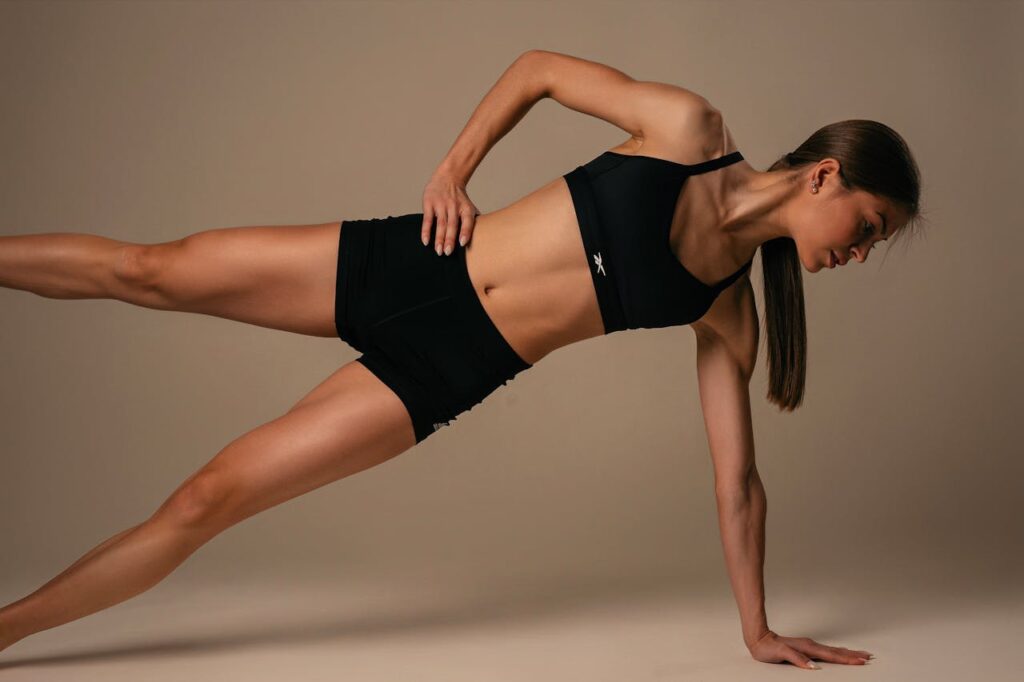
Strength training — sometimes called weight lifting or resistance training — is no longer a “men-only” activity tucked in the corner of the gym. From teens to great-grandmothers, women who pick up dumbbells, resistance bands, or simply their own body weight enjoy measurable gains in physical health, mental well-being, and longevity. Below you’ll discover exactly why women need strength training, how to start safely at any age, and the nutrition and recovery strategies that make those gains stick.
What Exactly Is Strength Training?
Strength training is any exercise that asks your muscles to work against resistance. The load can come from:
- Free weights (dumbbells, kettlebells, barbells)
- Resistance bands or suspension straps
- Weight machines
- Medicine balls or sandbags
- Your own body weight (push-ups, squats, planks)
Because resistance can be light or heavy, fast or slow, strength training is infinitely adaptable — from beginner home workouts to Olympic weight lifting platforms.
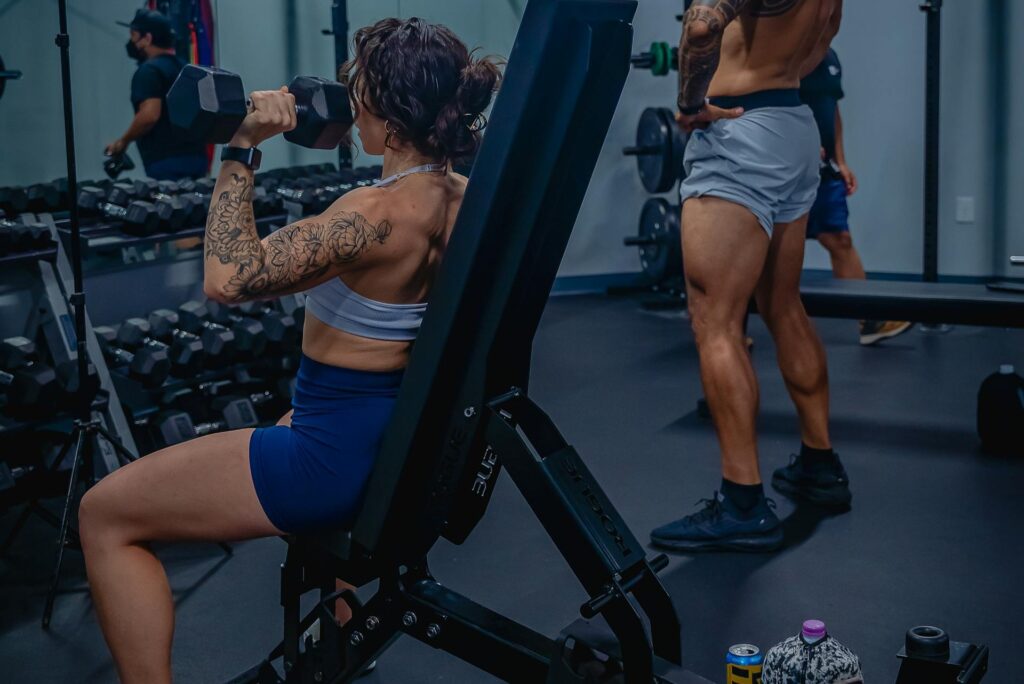
10 Science-Backed Benefits Women Gain From Strength Training
1. Builds Bone Density & Fights Osteoporosis
Estrogen decline after menopause accelerates bone loss. Lifting weights stimulates osteoblasts — cells that lay down new bone — helping reduce fracture risk.
2. Boosts Metabolism for Sustainable Weight Management
Muscle tissue burns more calories at rest than fat tissue. Even a few kilos of added lean mass can raise resting metabolic rate, supporting long-term fat loss without extreme dieting.
3. Strengthens the Heart & Vascular System
A 2024 Journal of the American College of Cardiology study following 400,000 adults found women who strength-trained 2–3 times per week cut cardiovascular mortality by 30 %.
4. Protects Joints & Prevents Injury
Resistance training reinforces the muscles and connective tissue around ankles, knees, hips, and shoulders, lowering the odds of painful sprains or overuse injuries.
5. Regulates Blood Sugar & Hormonal Health
Contracting muscles absorb glucose efficiently, improving insulin sensitivity and reducing risk of type 2 diabetes and gestational diabetes.
6. Elevates Mood & Mental Well-Being
Strength sessions trigger endorphins, reduce cortisol, and have been linked to lower rates of anxiety, depression, and postpartum “baby blues.”
7. Improves Posture, Balance & Everyday Mobility
A stronger core and back counter the slouch of desk life, while leg and hip strength curb age-related falls.
8. Increases Longevity & Quality of Life
Beyond living longer, women who lift weights maintain the ability to garden, travel, lift grandchildren, and enjoy independence well into their 70s and 80s.
9. Enhances Sports Performance
Whether you run 5 Ks or play weekend tennis, stronger legs and hips translate into faster sprints, higher vertical jumps, and quicker change of direction.
10. Shapes Body Confidence & Self-Esteem
Watching your deadlift climb from 20 kg to 50 kg delivers a mindset shift: your body is powerful, not just something to be shrunk.
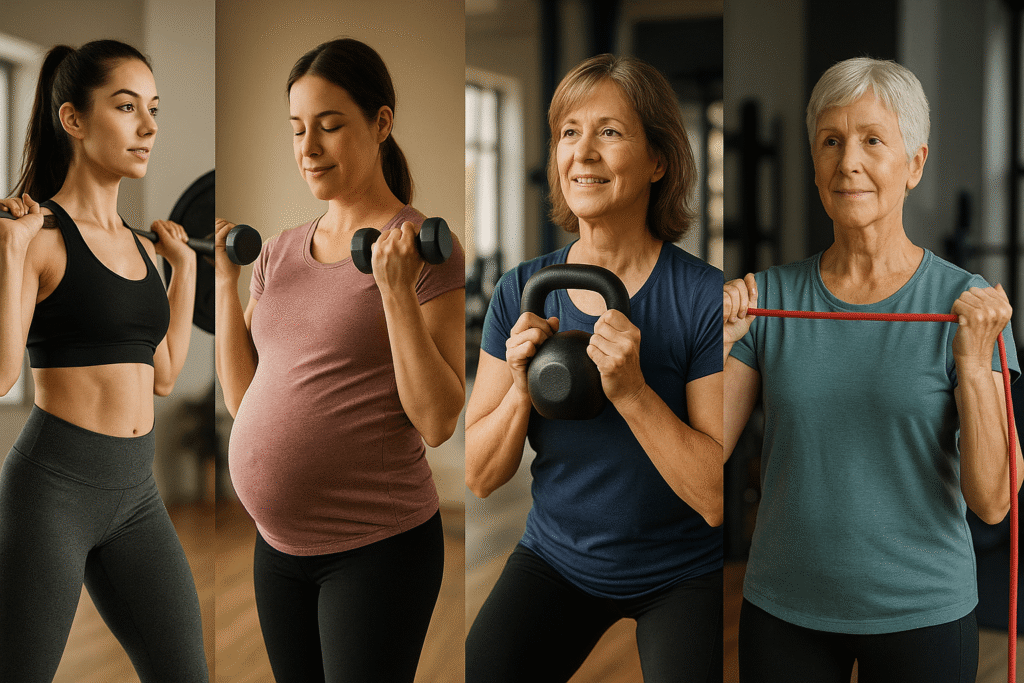
Strength Training Through Every Life Stage
Adolescence & Early Adulthood
Building muscle and bone before age 30 sets the highest “peak” bone mass, buffering against future bone loss. Supervised training also boosts body image in teens.
Childbearing Years & Pregnancy
ACOG (American College of Obstetricians and Gynecologists) states that low-risk pregnancies can continue moderate strength training. Benefits include:
- Less back pain
- Lower cesarean and pre-eclampsia rates
- Faster postpartum recovery
Perimenopause & Menopause
As estrogen slides, women lose up to 8 % muscle per decade. Two weekly strength sessions blunt that loss, ease hot flashes, and help combat mid-section weight gain.
Post-Menopause & Healthy Aging
Lifting maintains independence: standing from a chair, carrying groceries, climbing stairs. Regular resistance work also preserves cognitive function according to emerging research.
Common Myths About Women and Weights—Debunked
- “I’ll get bulky.” Female testosterone is roughly one-tenth of men’s; serious mass requires elite protocols and surplus calories. Most women gain lean, toned definition instead.
- “Cardio burns more fat.” Strength training elevates calorie burn for up to 48 hours post-workout via EPOC (excess post-exercise oxygen consumption).
- “Lifting is unsafe during pregnancy.” With medical clearance and proper form, moderate resistance work is not only safe but beneficial.
- “I’m too old to start.” Research shows women in their 70s and 80s can add muscle and bone with beginner programs.
- “Machines are easier on joints.” Free weights, when taught correctly, often allow more natural joint angles than fixed machines.
Building Your First Program
Setting SMART Goals & Baseline Testing
Write specific, measurable goals—e.g., “Deadlift my body weight by my 40th birthday”—and record an initial test of key moves (push-up max, 30-second wall sit).
The Five Fundamental Movement Patterns
- Push (push-up, bench press)
- Pull (row, assisted pull-up)
- Hinge (deadlift, hip thrust)
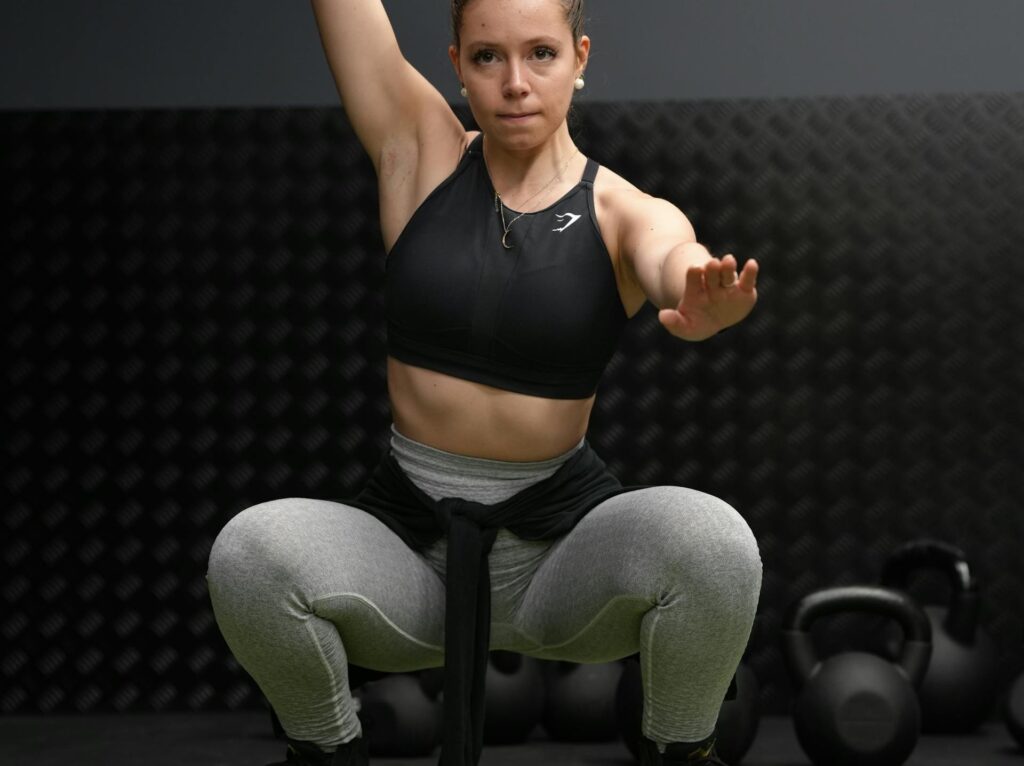
- Squat (goblet squat, split squat)
- Core stabilization (plank, dead-bug)
Covering these ensures full-body strength and balanced aesthetics.
Sample 2-Day Full-Body Beginner Routine
Perform each move for 2–3 sets of 8–12 reps, resting 60 s between sets.
| Day A | Day B |
| Goblet Squat | Romanian Deadlift |
| Incline Push-Up | Dumbbell Bench Press |
| Resistance-Band Row | Seated Cable Row |
| Glute Bridge | Split Squat |
| Plank (30–45 s) | Side Plank (each side) |
Aim for two 30 min sessions per week for the first eight weeks, then add a third day or increment weights by 2–5 %.
Progressive Overload—When & How to Increase
If you can complete all reps with perfect form and feel you could do 2–3 more, add weight next session. Small jumps (1–2 kg) beat ego leaps that compromise technique.
Working Out at Home or with Limited Equipment
- Body-weight circuits
- Backpack filled with books as a makeshift kettlebell
- Loop bands for glute and upper-back work
- Stairs for loaded carries
Support Pillars: Nutrition, Recovery & Lifestyle
Protein & Macronutrient Guidelines
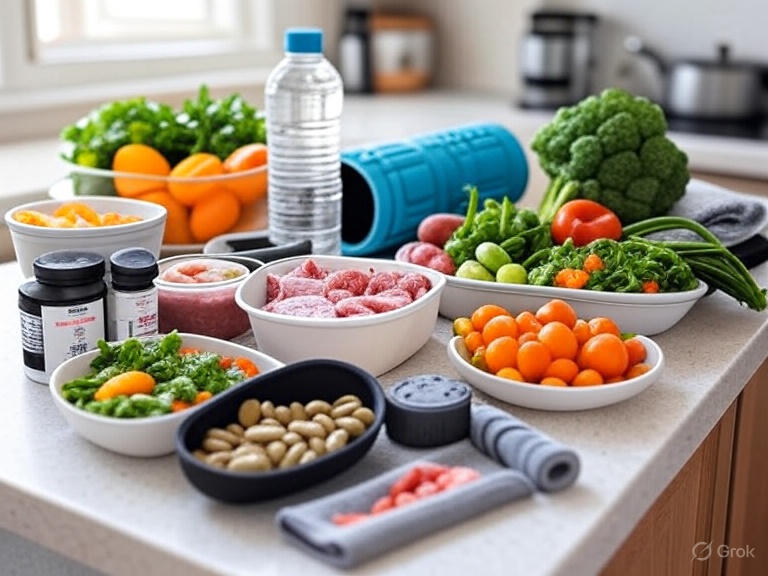
- Protein: 1.6–2.2 g per kg of body weight daily (e.g., 25–30 g per meal) supports muscle repair.
- Carbohydrates: Fuel intense sessions; whole-grain and fruit sources stabilize blood sugar.
- Healthy fats: Omega-3s reduce inflammation and may ease menstrual pain.
Sleep & Active Recovery
Seven to nine hours of quality sleep is non-negotiable for muscle repair and hormonal balance. Add:
- 5-minute mobility flows on rest days
- Walking or cycling at conversation pace to flush metabolites
- Occasional massage or foam rolling
Training With the Menstrual Cycle
- Menstruation (days 1-5): Lower impact, focus on mobility if cramps are severe.
- Follicular / Ovulation (days 6-14): Estrogen peaks — ideal for heavy lifts and PB attempts.
- Luteal (days 15-28): Slight drop in tolerance; keep weights moderate, prioritize recovery.
Evidence-Based Supplements (Optional)
- Creatine monohydrate (3–5 g/day): Improves high-intensity performance and lean mass.
- Vitamin D & Calcium: Aid bone health, especially in low-sunlatitudes or dairy-free diets.
- Iron: Monitor if you have heavy periods.
Real-World Success Stories
Sara, 28, Software Engineer
After six months of progressive overload, Sara dropped two dress sizes without strictly dieting and reports fewer tension headaches from long coding sessions.
Laila, 37, New Mother
Following doctor-approved kettlebell workouts during pregnancy, Laila avoided gestational diabetes and returned to pain-free jogging eight weeks postpartum.
Nusrat, 62, Retired Teacher
Diagnosed with osteopenia, Nusrat started supervised barbell training. A year later her bone density scan improved enough to avoid medication.
Safety First: Form, Screening & Professional Guidance
- Check with your physician if pregnant, post-surgery, or managing chronic disease.
- Master technique with body weight before loading heavy.
- Warm up 5–10 minutes (dynamic stretches, light cardio).
- Use a spotter for bench press and heavy squats.
- Sharp pain is your body’s brake pedal—stop immediately.
Consider hiring a certified personal trainer or physiotherapist for an initial program; research shows it cuts injury risk and builds confidence.
Frequently Asked Questions
Q: How quickly will I see results?
Within four weeks many women notice better energy and firmer muscles; visible physique changes often appear around 8–12 weeks.
Q: Can strength training replace cardio?
Both are beneficial. For heart health, combine ≥150 minutes of moderate cardio with two or more strength sessions weekly.
Q: Do I need a gym membership?
No. A pair of adjustable dumbbells or resistance bands can create a full-body program at home.
Q: Is kettlebell training “real” strength training?
Yes—kettlebells provide resistance and train power, coordination, and grip strength.
Q: What if I only have 20 minutes?
Try an AMRAP (as many rounds as possible) circuit of squats, push-ups, rows, and planks. Consistency beats marathon sessions done sporadically.
The Bottom Line
Whether you want to build bone density before menopause, stay strong during pregnancy, or sprint through your 70s with confidence, strength training is the proven, adaptable tool to get you there. Start light, stay consistent, fuel and rest your body, and watch every area of your life grow stronger.
Ready to begin? Grab a pair of dumbbells, follow the beginner routine above, and celebrate the powerful woman staring back at you in the mirror. Your future self will thank you.