
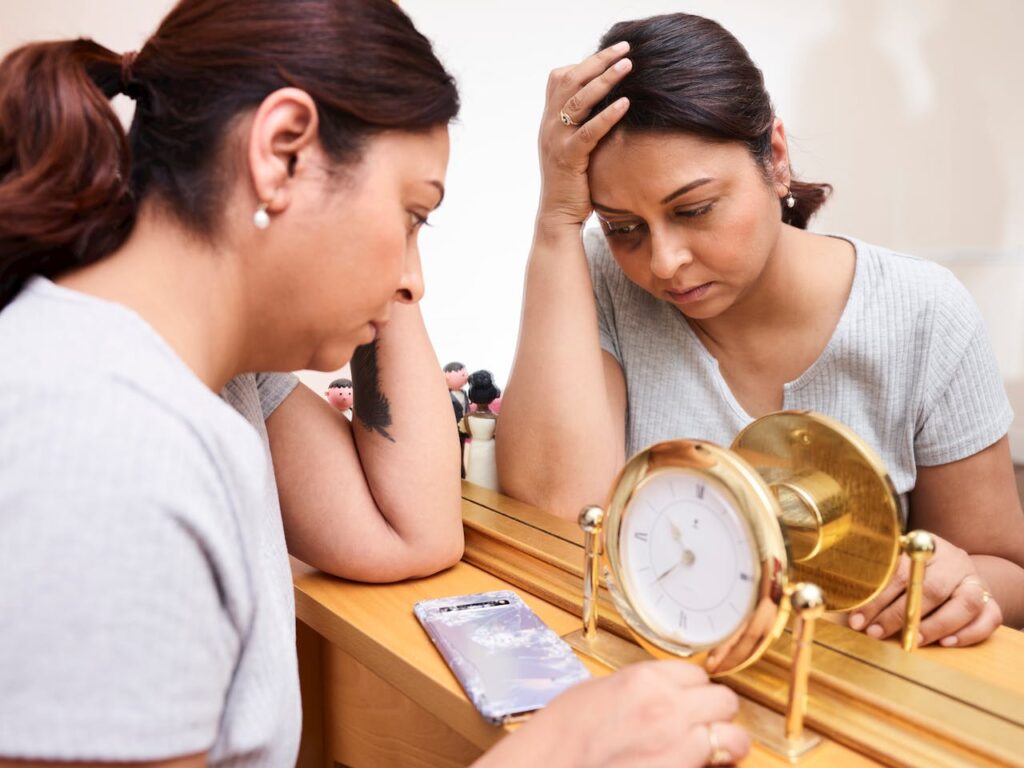
The term “midlife crisis” often conjures images of men buying sports cars or leaving their families, but women experience their own unique version of this transformative period. For women between ages 40-60, midlife can bring intense emotional turmoil, existential questioning, and an overwhelming desire for significant life changes. Unlike the stereotypical male midlife crisis, women’s experiences are often more internal, complex, and deeply intertwined with societal expectations, hormonal changes, and evolving life roles.
What Is a Midlife Crisis in Women?
A midlife crisis represents a period of intense self-reflection and emotional upheaval that typically occurs during middle age. For women, this experience often manifests as profound questioning about life choices, relationships, career paths, and personal identity. It’s characterized by feelings of dissatisfaction, anxiety about aging, and a strong urge to make dramatic changes before it’s “too late.”
Dr. Lisa Bahar, a licensed therapist specializing in women’s mental health, explains that women’s midlife crises often involve “a deep examination of authenticity versus the roles they’ve been playing for decades.” This internal struggle can feel chaotic and overwhelming, but it’s important to understand that it’s a normal part of human development.
Signs of Midlife Crisis in Women
Women experiencing a midlife crisis may exhibit several common symptoms:
- Intense questioning of life choices and wondering “what if”
- Feeling trapped by current circumstances or relationships
- Sudden interest in new activities or dramatic lifestyle changes
- Increased focus on physical appearance and aging concerns
- Relationship dissatisfaction or desire for new romantic connections
- Career restlessness or complete professional pivots
- Emotional volatility including mood swings and irritability
- Sleep disturbances and changes in energy levels
The Unique Triggers of Women’s Midlife Crisis
Understanding what causes midlife crisis in women requires examining the complex interplay of biological, psychological, and social factors that uniquely affect women during this life stage.
Hormonal and Physical Changes
Menopause and perimenopause play significant roles in women’s midlife experiences. Declining estrogen levels can affect mood, energy, sleep patterns, and cognitive function. These hormonal fluctuations often coincide with other midlife stressors, creating a perfect storm for emotional upheaval.
Physical changes including weight gain, decreased metabolism, and visible signs of aging can trigger deep concerns about attractiveness, sexuality, and mortality. Many women report feeling invisible or irrelevant as they age, particularly in youth-obsessed cultures.
Empty Nest Syndrome
For many women, midlife coincides with children leaving home. After decades of intensive mothering, the sudden shift can leave women questioning their identity and purpose. This transition often forces women to confront who they are beyond their role as caregivers.
Career and Financial Pressures
Women in midlife face unique workplace challenges including:
- Age discrimination in hiring and promotion
- Career stagnation after years of prioritizing family
- Financial insecurity due to wage gaps and interrupted careers
- Caregiving responsibilities for aging parents while supporting children
Relationship Dynamics
Midlife often brings relationship challenges as couples navigate changing roles, decreased intimacy, and evolving personal needs. Many women report feeling disconnected from partners who may be experiencing their own midlife transitions.
Societal and Cultural Pressures
Women face intense cultural pressure to remain youthful, attractive, and relevant. The transition from being seen as sexually desirable to becoming “invisible” can trigger profound identity crises. Additionally, societal expectations about women’s roles as perpetual caregivers can leave little room for personal growth and self-discovery.
Distinguishing Crisis from Normal Midlife Transition
Not every midlife challenge constitutes a crisis. Normal midlife transitions involve gradual adjustments and natural life changes, while a true midlife crisis involves:
- Existential doubt about life’s meaning and purpose
- Impulsive decision-making that could harm relationships or stability
- Persistent feelings of regret and missed opportunities
- Inability to find satisfaction in previously fulfilling activities
- Extreme emotional distress that interferes with daily functioning
Dr. Aniesa Hanson, a clinical psychologist, notes that “the difference between a midlife transition and crisis lies in the intensity and duration of distress, as well as the person’s ability to maintain perspective and make thoughtful decisions.”
Reframing Midlife Crisis as Opportunity
While midlife crisis can feel overwhelming, it’s essential to recognize it as a potential catalyst for positive change and personal growth. This period of questioning and self-reflection can lead to:
Authentic Self-Discovery
Midlife offers an opportunity to shed roles and expectations that no longer serve you. Many women discover hidden talents, interests, and aspects of their personality that were suppressed during their younger years focused on others’ needs.
Renewed Relationships
Crisis can strengthen relationships by forcing honest communication about needs, desires, and future goals. Some couples emerge from midlife transitions with deeper intimacy and understanding.
Career Reinvention
Many women use midlife as a launching pad for new careers, entrepreneurial ventures, or creative pursuits they’ve always dreamed of pursuing.
Improved Self-Care
The wake-up call of midlife often motivates women to prioritize their physical and mental health in ways they never did before.
Practical Strategies for Navigating Women’s Midlife Crisis
Acknowledge and Accept Your Feelings
The first step in managing midlife crisis is recognizing that your feelings are valid and normal. Avoid judging yourself for questioning your life choices or feeling dissatisfied with your current situation.
Embrace Gradual Change
Instead of making dramatic, impulsive decisions, consider implementing gradual changes that align with your evolving values and interests. This might include:
- Taking up new hobbies or creative pursuits
- Pursuing education or professional development
- Traveling to places you’ve always wanted to visit
- Volunteering for causes you care about
Prioritize Physical and Mental Health
Midlife is an ideal time to focus on health and wellness:
- Regular exercise to combat age-related physical changes
- Nutritious eating to support hormonal balance and energy
- Stress management through meditation, yoga, or therapy
- Quality sleep to support emotional regulation
Reassess Your Relationships
Evaluate your relationships honestly and consider:
- Communicating openly with your partner about your needs and concerns
- Setting boundaries with family members who drain your energy
- Cultivating friendships with people who support your growth
- Seeking couples therapy if relationship issues persist
Explore Your Sexuality and Body Image
Midlife can be a time of sexual awakening and body acceptance:
- Embrace your changing body and focus on what it can do rather than how it looks
- Communicate with your partner about changing sexual needs and desires
- Consider hormone therapy if appropriate for managing menopausal symptoms
- Practice self-compassion regarding physical changes
Financial Planning and Security
Address financial concerns proactively:
- Create a comprehensive financial plan for retirement and healthcare needs
- Consider career changes that could improve long-term financial security
- Explore passive income opportunities or side businesses
- Seek financial counseling if needed
Build a Support Network
Connect with other women experiencing similar transitions:
- Join midlife support groups online or in your community
- Work with a therapist who specializes in women’s midlife issues
- Find mentors who have successfully navigated their own midlife transitions
- Participate in women’s organizations or professional networks
When to Seek Professional Help
While midlife crisis is normal, certain signs indicate the need for professional support:
- Persistent depression or anxiety that interferes with daily life
- Substance abuse as a coping mechanism
- Suicidal thoughts or self-harm behaviors
- Impulsive decisions that could cause lasting harm
- Inability to function at work or in relationships
A qualified therapist can help you navigate this transition with greater clarity and emotional stability.
Creating Your Midlife Action Plan
To make the most of your midlife transition, consider creating a structured approach:
1. Self-Assessment
- Identify what’s working and what isn’t in your current life
- Clarify your values and priorities
- Recognize patterns that no longer serve you
2. Goal Setting
- Define what you want your life to look like in 5-10 years
- Set specific, achievable goals for different life areas
- Create timelines for implementing changes
3. Resource Gathering
- Identify the support, skills, or resources you need
- Research educational opportunities or career paths
- Build your financial foundation for change
4. Implementation
- Start with small, manageable changes
- Monitor your progress and adjust as needed
- Celebrate milestones along the way
Embracing Your Midlife Renaissance
Rather than viewing midlife as a crisis to endure, consider it a renaissance—a rebirth of your authentic self. This period offers unprecedented freedom to explore who you really are and what you truly want from life. Many women report that their 50s and beyond are the most fulfilling years of their lives, marked by increased confidence, clarity, and purpose.
The key is approaching this transition with patience, self-compassion, and openness to growth. Remember that transformation takes time, and there’s no rush to have everything figured out immediately.
Frequently Asked Questions
Q: How long does a midlife crisis typically last for women?
A: Midlife crises can last anywhere from a few months to several years, depending on individual circumstances and how actively someone works through the underlying issues. Most women find that the intense emotional turmoil subsides within 1-3 years with proper support and self-care.
Q: Is it normal to want to leave my marriage during midlife crisis?
A: It’s common to question all aspects of your life, including your marriage, during midlife. However, it’s important to distinguish between temporary crisis-related dissatisfaction and genuine relationship problems. Consider couples therapy before making major decisions about your marriage.
Q: Can hormone replacement therapy help with midlife crisis symptoms?
A: HRT can help manage some physical and emotional symptoms related to menopause, which may contribute to midlife distress. However, it’s not a cure-all for midlife crisis. Discuss the risks and benefits with your healthcare provider.
Q: How can I support a friend going through a midlife crisis?
A: Listen without judgment, avoid giving unsolicited advice, encourage professional help if needed, and be patient with their process. Sometimes just having someone who understands can make a significant difference.
Q: Is it too late to make major life changes in midlife?
A: Absolutely not! Many women successfully change careers, pursue education, start businesses, or make other significant life changes in their 40s, 50s, and beyond. Midlife can be an ideal time for reinvention with the wisdom and resources you’ve accumulated.
Your midlife crisis doesn’t have to be a catastrophe—it can be the beginning of your most authentic and fulfilling chapter yet. Embrace the journey of self-discovery, seek support when needed, and remember that it’s never too late to create the life you truly want.