
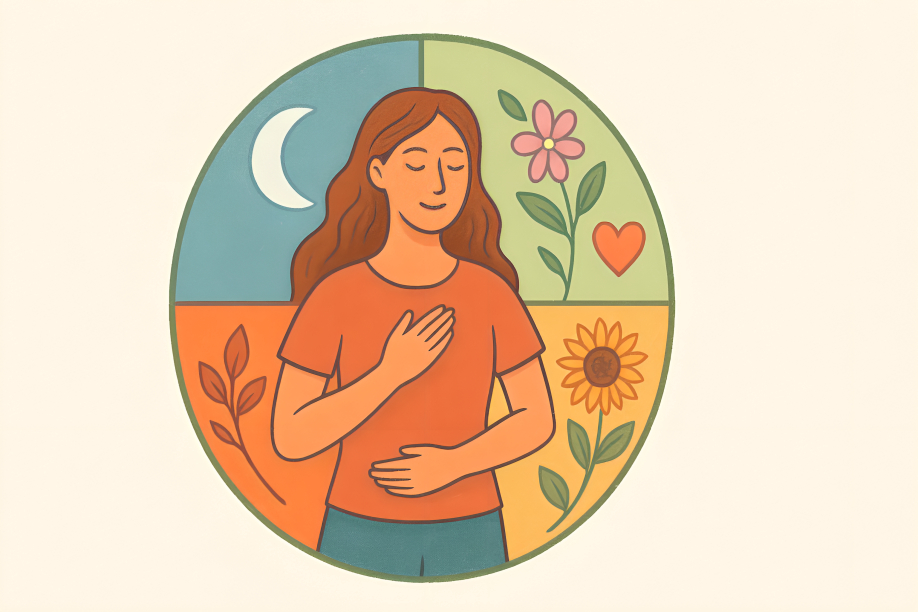
In a world where women are often told to push through discomfort and maintain consistent energy levels regardless of their natural rhythms, cycle syncing offers a revolutionary approach to wellness. This practice involves aligning your lifestyle habits—including diet, exercise, work schedules, and self-care routines—with the natural fluctuations of your menstrual cycle.
Rather than fighting against your body’s hormonal changes, cycle syncing teaches you to work with them, potentially reducing period symptoms, boosting energy levels, and creating a deeper connection with your body’s innate wisdom.
What is Cycle Syncing?
Cycle syncing is the practice of adjusting your daily activities, nutrition, exercise routines, and lifestyle choices to match the four distinct phases of your menstrual cycle. This approach recognizes that hormonal fluctuations throughout your cycle naturally affect your energy levels, mood, cognitive function, and physical performance.
The concept was popularized by functional nutritionist Alisa Vitti, who founded the FLO Living method. The idea is simple yet profound: instead of maintaining the same routine every day of the month, you adapt your lifestyle to support your body’s changing hormonal needs.
While scientific research on cycle syncing is still emerging, many women report improved energy, reduced PMS symptoms, better workout performance, and enhanced overall well-being when they align their lives with their natural rhythms.
Understanding Your Menstrual Cycle: The Four Seasons of Your Body
Your menstrual cycle is like having four distinct seasons within your body each month. Understanding these phases is crucial for successful cycle syncing.
The Complete Cycle Overview
A typical menstrual cycle lasts 21-35 days, with 28 days being average. Each phase is characterized by specific hormonal changes that influence how you feel physically, mentally, and emotionally.
Key Hormones at Play:
- Estrogen: Peaks during the follicular phase and ovulation, boosting energy and mood
- Progesterone: Rises during the luteal phase, promoting relaxation and introspection
- Testosterone: Fluctuates throughout the cycle, affecting libido and motivation
- FSH and LH: Regulate ovulation and cycle progression
Phase 1: Menstrual Phase (Days 1-7) – Your Inner Winter
The menstrual phase begins on the first day of your period and typically lasts 3-7 days. This is when both estrogen and progesterone are at their lowest levels.
How You Might Feel
- Lower energy levels
- Need for more rest and introspection
- Heightened intuition and clarity
- Desire for comfort and nurturing
Exercise During Menstruation
Focus on gentle, restorative movements:
- Yoga and stretching: Particularly restorative poses and gentle flow sequences
- Walking: Light to moderate pace, preferably in nature
- Pilates: Low-impact, core-strengthening exercises
- Swimming: If comfortable, gentle swimming can ease cramps
Avoid: High-intensity workouts, heavy weightlifting, or anything that feels overwhelming to your system.
Nutrition for the Menstrual Phase
Your body needs extra support during menstruation:
- Iron-rich foods: Leafy greens, lean red meat, lentils, and pumpkin seeds to replenish iron lost through bleeding
- Warming foods: Soups, stews, and herbal teas to provide comfort
- Healthy fats: Avocados, nuts, and omega-3 rich fish to support hormone production
- Magnesium: Dark chocolate, almonds, and spinach to ease cramps
Self-Care and Lifestyle
- Prioritize sleep and rest
- Practice meditation or journaling
- Take warm baths with Epsom salts
- Say no to unnecessary commitments
Phase 2: Follicular Phase (Days 1-14) – Your Inner Spring
The follicular phase overlaps with menstruation but continues until ovulation. Estrogen begins to rise, bringing renewed energy and optimism.
How You Might Feel
- Increasing energy and motivation
- Enhanced creativity and problem-solving abilities
- More social and outgoing
- Improved mood and confidence
Exercise During the Follicular Phase
As energy returns, gradually increase activity:
- Cardio workouts: Running, cycling, or dance classes
- Strength training: Light to moderate weights with higher repetitions
- Group fitness classes: Take advantage of increased social energy
- New activities: This is an excellent time to try new forms of exercise
Nutrition for the Follicular Phase
Support rising estrogen with:
- Complex carbohydrates: Quinoa, sweet potatoes, and oats for sustained energy
- Lean proteins: Chicken, fish, and plant-based proteins
- Cruciferous vegetables: Broccoli, cauliflower, and Brussels sprouts to support estrogen metabolism
- Probiotic foods: Yogurt, kefir, and fermented vegetables for gut health
Lifestyle and Productivity
- Plan new projects and creative endeavors
- Schedule important meetings and presentations
- Engage in social activities
- Set goals and make plans
Phase 3: Ovulation Phase (Days 14-17) – Your Inner Summer
Ovulation typically occurs around day 14 of a 28-day cycle. Estrogen peaks while luteinizing hormone (LH) surges to trigger egg release.
How You Might Feel
- Peak energy and confidence
- Heightened libido and attractiveness
- Excellent communication skills
- Strong physical performance capabilities
Exercise During Ovulation
This is your power phase for intense workouts:
- High-intensity interval training (HIIT)
- Heavy weightlifting: Your body can handle maximum loads
- Competitive sports: Take advantage of peak performance
- Challenging workouts: Push your limits safely
Nutrition During Ovulation
Support peak hormone levels:
- Antioxidant-rich foods: Berries, colorful vegetables, and green tea
- Healthy fats: Support hormone production with avocados and nuts
- Fiber-rich foods: Help metabolize excess estrogen
- Hydrating foods: Cucumber, watermelon, and leafy greens
Lifestyle Optimization
- Schedule important conversations and negotiations
- Plan date nights and social events
- Take on leadership roles
- Make important decisions
Phase 4: Luteal Phase (Days 15-28) – Your Inner Autumn
The luteal phase begins after ovulation and lasts until your next period. Progesterone rises while estrogen fluctuates, often leading to PMS symptoms.
How You Might Feel
- Gradual decrease in energy
- Increased need for routine and organization
- Heightened sensitivity and intuition
- Possible mood swings or irritability
Exercise During the Luteal Phase
Adjust intensity as energy wanes:
- Moderate cardio: Steady-state activities like jogging or cycling
- Strength training: Focus on form over intensity
- Yoga: Particularly beneficial for managing PMS symptoms
- Pilates: Core strengthening and flexibility work
Nutrition for the Luteal Phase
Combat PMS and support progesterone:
- B-vitamin rich foods: Whole grains, leafy greens, and legumes
- Magnesium: Dark chocolate, nuts, and seeds to reduce cravings and cramps
- Anti-inflammatory foods: Turmeric, ginger, and fatty fish
- Complex carbs: Help stabilize blood sugar and mood
Self-Care Focus
- Organize and declutter your space
- Complete projects and tie up loose ends
- Practice stress-reduction techniques
- Prepare for the upcoming menstrual phase
The Mental Health Connection: Cycle Syncing for Emotional Well-being
One significant gap in many cycle syncing discussions is the profound impact on mental health. Understanding your emotional patterns throughout your cycle can be transformative for managing anxiety, depression, and mood disorders.
Emotional Patterns by Phase
- Menstrual: Introspection, emotional release, heightened sensitivity
- Follicular: Optimism, motivation, emotional resilience
- Ovulation: Confidence, social connection, emotional stability
- Luteal: Emotional intensity, need for boundaries, potential irritability
Mental Health Strategies
- Track mood patterns alongside physical symptoms
- Adjust therapy sessions or important conversations based on your phase
- Practice phase-appropriate stress management techniques
- Communicate your needs to partners and family members
Cycle Syncing for Different Life Stages
Teenagers and Young Adults
- Focus on education about natural cycles
- Gentle introduction to tracking without pressure
- Emphasis on body positivity and cycle acceptance
Reproductive Years
- Full implementation of cycle syncing principles
- Integration with family planning goals
- Career and productivity optimization
Perimenopause
- Adaptation for irregular cycles
- Focus on symptom management
- Preparation for hormonal transitions
Technology and Tracking Tools
Modern technology offers numerous ways to track your cycle and implement cycle syncing:
Recommended Apps
- Clue: Science-based tracking with detailed analytics
- Flo: Comprehensive health insights and predictions
- Natural Cycles: FDA-approved fertility tracking
- MyFLO: Specifically designed for cycle syncing
Traditional Methods
- Basal body temperature tracking
- Cervical mucus observation
- Paper calendars and journals
- Symptom diaries
Workplace Productivity and Career Planning
An often-overlooked aspect of cycle syncing is its application to professional life:
Career Optimization Strategies
- Schedule important presentations during your follicular or ovulation phases
- Plan creative projects for your follicular phase
- Use your luteal phase for administrative tasks and organization
- Allow for rest and reflection during your menstrual phase
Communicating at Work
While you don’t need to share intimate details, understanding your patterns can help you:
- Request flexible schedules when possible
- Plan vacation time strategically
- Manage energy levels throughout the month
- Optimize performance for important deadlines
Special Considerations and Limitations
When Cycle Syncing May Not Apply
- Hormonal birth control users: Synthetic hormones override natural cycles
- Irregular cycles: PCOS, thyroid disorders, or other conditions affecting regularity
- Postmenopausal women: Natural cycling has ceased
- Pregnancy and breastfeeding: Different hormonal patterns apply
Working with Healthcare Providers
Always consult with healthcare professionals when:
- Experiencing severe PMS or PMDD symptoms
- Dealing with irregular or absent periods
- Managing underlying health conditions
- Considering changes to birth control methods
Getting Started: Your Cycle Syncing Journey
Step 1: Track Your Baseline
Spend 2-3 cycles simply observing and recording:
- Period start and end dates
- Energy levels (1-10 scale)
- Mood patterns
- Physical symptoms
- Exercise performance
- Food cravings
Step 2: Identify Your Patterns
Look for recurring themes:
- When do you feel most energetic?
- What foods do you crave at different times?
- How does your exercise tolerance change?
- What emotional patterns emerge?
Step 3: Make Gradual Adjustments
Start with small changes:
- Adjust workout intensity based on your phase
- Plan important events during high-energy phases
- Allow for more rest during low-energy times
- Experiment with phase-specific nutrition
Step 4: Refine and Personalize
Remember that every woman’s cycle is unique. What works for others may need adjustment for your body and lifestyle.
Frequently Asked Questions
Q: How long does it take to see results from cycle syncing?
A: Most women notice improvements within 2-3 cycles of consistent practice. However, it can take up to 6 months to fully understand your patterns and optimize your approach.
Q: Can I practice cycle syncing while on hormonal birth control?
A: Traditional cycle syncing isn’t possible with hormonal birth control since synthetic hormones override your natural cycle. However, you can still benefit from tracking energy levels and adjusting lifestyle habits accordingly.
Q: What if my cycles are irregular?
A: Focus on tracking symptoms and energy patterns rather than strict day counts. Work with a healthcare provider to address underlying causes of irregularity while implementing general wellness principles.
Q: Is cycle syncing scientifically proven?
A: While research is still emerging, studies on circadian rhythms, hormonal fluctuations, and exercise performance support many cycle syncing principles. The practice is generally safe and may offer benefits even if all claims aren’t yet scientifically validated.
Q: Can cycle syncing help with fertility?
A: While cycle syncing isn’t a fertility treatment, the increased body awareness and cycle tracking involved can help identify fertile windows and optimize overall reproductive health.
Embracing Your Cyclical Nature
Cycle syncing represents a fundamental shift from the linear, masculine model of productivity to a cyclical, feminine approach to wellness. By honoring your body’s natural rhythms, you’re not just improving your physical health—you’re reconnecting with an ancient wisdom that recognizes the power and beauty of cyclical living.
Remember, cycle syncing is not about perfection or rigid adherence to rules. It’s about developing a deeper relationship with your body, understanding your patterns, and making choices that support your overall well-being. Start small, be patient with yourself, and celebrate the journey of discovering your unique cyclical nature.
As you embark on this path, you may find that cycle syncing offers more than just symptom relief—it can become a gateway to greater self-awareness, improved health, and a more harmonious relationship with your feminine essence. Your cycle is not something to endure but rather a monthly opportunity to connect with the incredible wisdom of your body.