
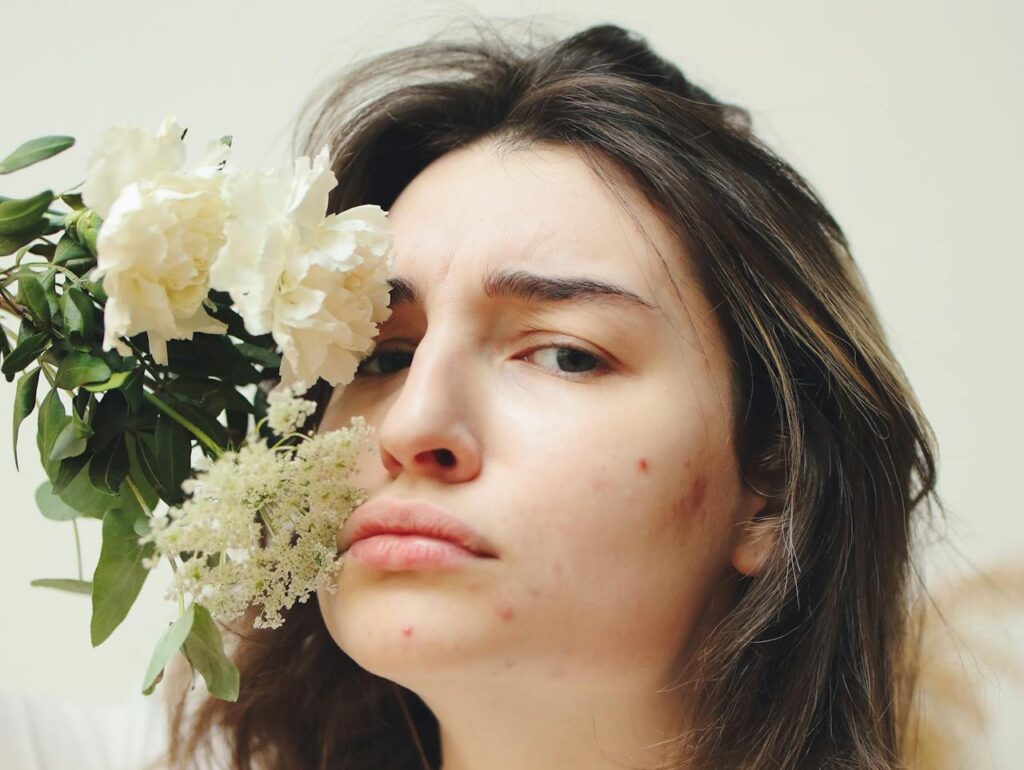
Breaking out at the worst possible moment? You’re not alone. While acne affects nearly 85% of people at some point in their lives, understanding why your skin suddenly rebels can feel like solving a mystery. The truth is, many acne triggers hide in plain sight, sabotaging your skincare efforts without you even realizing it.
Whether you’re dealing with stubborn adult acne or sudden breakouts that seem to come from nowhere, identifying these sneaky culprits is the first step toward clearer, healthier skin. Let’s uncover the hidden causes behind your breakouts and explore proven solutions that actually work.
What Exactly Is a Breakout?
Before diving into causes, it’s important to understand what constitutes a breakout. Acne occurs when hair follicles become clogged with oil (sebum), dead skin cells, and bacteria. This can manifest as:
- Whiteheads: Closed comedones with a white or flesh-colored bump
- Blackheads: Open comedones that appear dark due to oxidation
- Papules: Small, red, inflamed bumps without pus
- Pustules: Red bumps with white or yellow pus-filled centers
- Cystic acne: Deep, painful lumps beneath the skin’s surface
10 Sneaky Causes of Acne Breakouts
1. Hormonal Fluctuations (The Silent Saboteur)
Hormones are often the biggest culprit behind persistent acne, especially in adults. Fluctuations in androgens, estrogen, and progesterone can trigger increased oil production and inflammation.
Common hormonal triggers include:
- Menstrual cycles (breakouts typically occur 7-10 days before periods)
- Pregnancy and postpartum changes
- Perimenopause and menopause
- PCOS (Polycystic Ovary Syndrome)
- Thyroid disorders
What you can do: Track your breakouts alongside your menstrual cycle to identify patterns. Consider consulting a dermatologist about hormonal treatments like spironolactone or birth control if hormonal acne is severe.
2. Your Skincare Products Are Working Against You
Not all skincare products are created equal. Many contain comedogenic ingredients that can clog pores, while others may be too harsh for your skin type.
Hidden problematic ingredients:
- Coconut oil and other heavy oils
- Sodium lauryl sulfate (SLS)
- Isopropyl myristate
- Lanolin and its derivatives
The solution: Look for products labeled “non-comedogenic” and introduce new products one at a time to identify potential triggers. Opt for oil-free moisturizers and gentle, pH-balanced cleansers.
3. Over-Exfoliation and Aggressive Scrubbing
While exfoliation can help prevent clogged pores, overdoing it causes inflammation and actually worsens acne. Over-scrubbing strips the skin’s protective barrier, leading to increased oil production as your skin tries to compensate.
Signs you’re over-exfoliating:
- Increased redness and irritation
- Skin feels tight or burns after cleansing
- More frequent breakouts despite increased skincare efforts
The fix: Limit exfoliation to 2-3 times per week maximum. Choose chemical exfoliants (like salicylic acid or glycolic acid) over harsh physical scrubs.
4. Dirty Makeup Tools and Expired Products
Your makeup brushes and sponges are breeding grounds for bacteria, oil, and dead skin cells. Each time you use them, you’re potentially reintroducing these pore-clogging culprits to your face.
Best practices:
- Clean makeup brushes after every use with gentle shampoo or brush cleanser
- Replace makeup sponges weekly
- Check expiration dates on makeup products (mascara: 3 months, foundation: 12 months)
- Avoid sharing makeup tools with others
5. Stress and Poor Sleep Quality
Chronic stress increases cortisol levels, which stimulates oil production and inflammation. Poor sleep quality compounds this effect by disrupting your skin’s natural repair processes.
The stress-acne connection:
- Elevated cortisol increases sebum production
- Stress weakens immune function, making skin more susceptible to bacterial infections
- Stress often leads to touching or picking at the face
Stress management strategies:
- Practice mindfulness or meditation (even 10 minutes daily helps)
- Maintain a consistent sleep schedule (7-9 hours nightly)
- Regular exercise to reduce cortisol levels
- Consider stress-reducing activities like yoga or journaling
6. Dietary Triggers You Haven’t Considered
While the diet-acne connection was once controversial, research now shows certain foods can trigger breakouts in susceptible individuals.
Common dietary culprits:
- High-glycemic foods (white bread, sugary snacks, processed cereals)
- Dairy products (especially skim milk)
- Foods high in iodine (seaweed, shellfish)
- Whey protein supplements
Dietary solutions:
- Focus on low-glycemic foods (whole grains, vegetables, lean proteins)
- Consider eliminating dairy for 4-6 weeks to test sensitivity
- Increase omega-3 fatty acids (fish, walnuts, flaxseeds)
- Stay hydrated with 8-10 glasses of water daily
7. Environmental and Seasonal Factors
Your environment plays a bigger role in acne than you might think. Seasonal changes, pollution, and climate can all trigger breakouts.
Environmental triggers:
- High humidity increases oil production
- Air pollution clogs pores with particulates
- Seasonal changes affect hormone levels
- Hard water can irritate sensitive skin
Protective measures:
- Use a gentle cleanser to remove daily pollution
- Consider a humidifier in dry climates
- Adjust your skincare routine seasonally
- Install a water filter if you have hard water
8. Genetic Predisposition and Family History
If your parents struggled with acne, you’re more likely to experience it too. Genetics influence everything from pore size to oil production levels and inflammatory responses.
Understanding genetic factors:
- Family history of severe acne increases your risk
- Genetic variations affect how your skin responds to hormones
- Some people are genetically predisposed to produce more oil
Working with genetics: While you can’t change your genes, understanding your predisposition helps you choose more targeted treatments and maintain realistic expectations.
9. Hidden Contact Irritants
Many everyday items that touch your face can transfer bacteria and oils, leading to breakouts in specific areas.
Common contact culprits:
- Cell phones (especially around the jawline and cheek)
- Dirty pillowcases and bedsheets
- Hair products that migrate to the face
- Hands touching the face throughout the day
Prevention tips:
- Clean your phone screen daily with alcohol wipes
- Change pillowcases 2-3 times per week
- Keep hair products away from the hairline and face
- Practice conscious awareness to avoid face-touching
10. Age-Related Hormonal Changes
Adult acne affects up to 54% of women over 25, often due to age-related hormonal shifts that differ from teenage acne patterns.
Adult acne characteristics:
- Typically appears on the lower face, jawline, and neck
- Often deeper, more cystic lesions
- May be accompanied by increased skin sensitivity
- Can persist or first appear in your 30s, 40s, or beyond
Age-appropriate solutions:
- Gentler formulations than teenage acne products
- Focus on anti-inflammatory ingredients
- Consider professional treatments like chemical peels
- Consult a dermatologist for hormonal evaluation
How to Create an Effective Anti-Acne Strategy
Build a Gentle but Effective Routine
- Morning:
- Gentle, pH-balanced cleanser
- Lightweight, non-comedogenic moisturizer
- Broad-spectrum SPF 30+ sunscreen
- Evening:
- Double cleanse if wearing makeup
- Treatment product (salicylic acid, benzoyl peroxide, or retinoid)
- Hydrating, non-comedogenic moisturizer
When to See a Professional
Consider consulting a dermatologist if you experience:
- Cystic or nodular acne
- Acne that doesn’t respond to over-the-counter treatments after 6-8 weeks
- Scarring or post-inflammatory hyperpigmentation
- Emotional distress related to your acne
Frequently Asked Questions
Q: How long does it take to see results from acne treatments?
A: Most treatments require 6-12 weeks to show significant improvement. Be patient and consistent with your routine, as premature switching between products can irritate skin and delay results.
Q: Can stress really cause acne breakouts?
A: Yes, stress increases cortisol production, which stimulates oil glands and promotes inflammation. Managing stress through exercise, meditation, and adequate sleep can significantly improve acne.
Q: Is it true that chocolate causes acne?
A: Pure chocolate doesn’t directly cause acne, but high-sugar, high-dairy chocolate products can trigger breakouts in sensitive individuals due to their glycemic impact and dairy content.
Q: Why do I break out more during certain times of the month?
A: Hormonal fluctuations during your menstrual cycle affect oil production. Progesterone levels rise in the week before your period, often leading to increased breakouts during this time.
Q: Can over-washing my face help clear acne faster?
A: No, over-washing strips your skin’s natural protective barrier and can actually increase oil production. Stick to cleansing twice daily with a gentle, non-comedogenic cleanser.
Take Control of Your Skin Today
Understanding the hidden causes behind your breakouts is the first step toward achieving clearer skin. Remember that effective acne treatment often requires addressing multiple factors simultaneously – from hormones and diet to skincare routine and stress management.
Start by identifying which of these sneaky causes might be affecting your skin, then implement targeted solutions gradually. Be patient with the process, as lasting skin improvements take time. If over-the-counter approaches aren’t providing the results you need, don’t hesitate to consult with a dermatologist who can create a personalized treatment plan.
Your journey to clearer skin starts with knowledge, consistency, and the right approach for your unique skin needs. Take action today, and give your skin the care it deserves.