Nodular acne represents one of the most challenging forms of severe acne, affecting millions of people worldwide with painful, deep-seated lesions that can cause lasting physical and emotional scars. Unlike typical breakouts that appear on the skin’s surface, nodular acne develops deep within the skin layers, creating hard, inflamed lumps that can persist for weeks or even months without proper treatment.
Understanding nodular acne is crucial for anyone dealing with persistent, painful breakouts that don’t respond to over-the-counter treatments. This comprehensive guide will explore everything you need to know about nodular acne, from its underlying causes to the most effective treatment options available today.
What Is Nodular Acne?
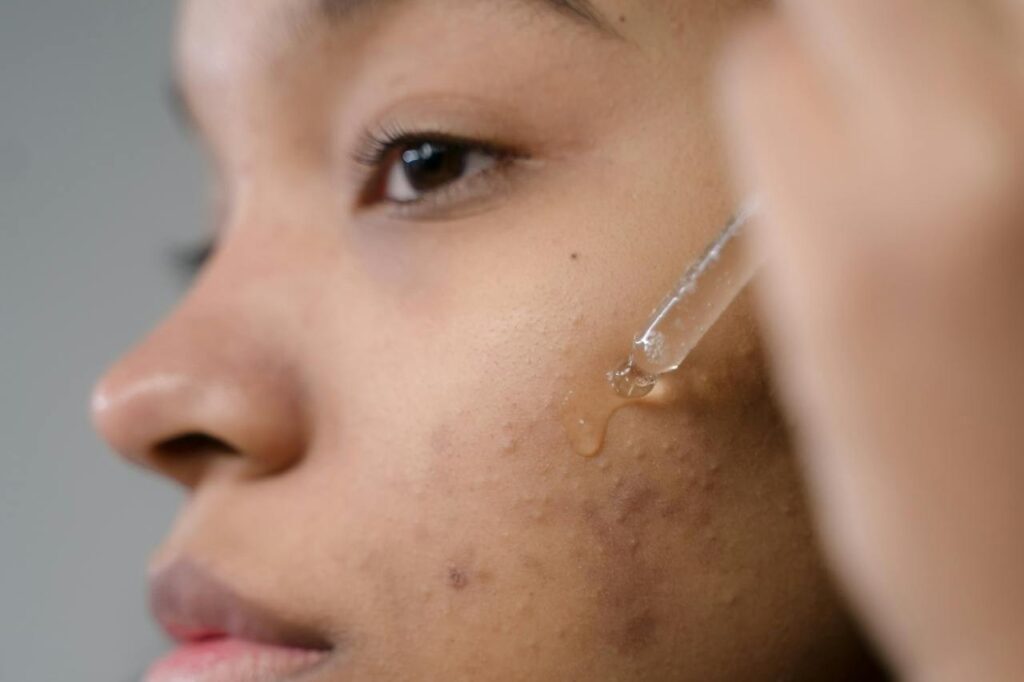
Nodular acne is a severe form of inflammatory acne characterized by large, hard, painful lumps that develop deep beneath the skin’s surface. These nodules typically measure 5mm or larger in diameter and feel firm to the touch, often appearing as raised, red bumps without visible whiteheads or blackheads.
Unlike regular pimples that form closer to the skin’s surface, acne nodules develop in the deeper layers of the dermis, making them particularly stubborn and difficult to treat. The condition affects approximately 20% of people with acne, with studies showing that severe acne impacts around 50 million Americans annually.
How Nodular Acne Differs from Other Types of Acne
Nodular acne stands apart from other acne types in several key ways:
- Depth: Nodules form deep in the skin layers, while regular pimples develop near the surface
- Size: Nodular lesions are typically larger than 5mm, compared to smaller comedones and papules
- Pain level: Nodules are significantly more painful due to their deep inflammation
- Duration: These lesions can persist for weeks or months without treatment
- Scarring potential: Nodular acne has a much higher risk of causing permanent scarring
Understanding the Causes of Nodular Acne
Primary Biological Factors
Nodular acne develops when hair follicles become severely blocked and infected. The process begins with:
Excess Sebum Production: Overactive sebaceous glands produce too much oil, creating an environment conducive to bacterial growth.
Dead Skin Cell Accumulation: When dead skin cells don’t shed properly, they combine with sebum to form plugs in hair follicles.
Bacterial Overgrowth: The bacterium Cutibacterium acnes (formerly Propionibacterium acnes) thrives in these blocked, oxygen-poor environments, leading to severe inflammation.
Deep Inflammation: Unlike surface acne, the inflammatory response in nodular acne extends deep into the dermis, creating the characteristic hard, painful lumps.
Contributing Risk Factors
Several factors can increase your likelihood of developing nodular acne:
Hormonal Influences
- Puberty: Hormonal surges during adolescence trigger increased oil production
- Menstrual cycles: Fluctuating estrogen and progesterone levels can worsen breakouts
- Pregnancy: Hormonal changes during pregnancy may trigger or worsen nodular acne
- PCOS: Polycystic ovary syndrome often correlates with severe acne due to elevated androgen levels
Genetic Predisposition
Family history plays a significant role, with studies showing that severe acne often runs in families. If your parents experienced nodular acne, you’re more likely to develop it as well.
Lifestyle and Environmental Factors
- Stress: Chronic stress increases cortisol production, which can worsen acne
- Diet: While research is ongoing, some studies suggest high-glycemic foods and dairy may contribute to acne severity
- Skincare products: Heavy, comedogenic products can clog pores and worsen existing acne
- Medications: Certain drugs, including corticosteroids and lithium, may trigger acne flares
Recognizing Nodular Acne Symptoms
Physical Characteristics
Identifying nodular acne involves recognizing these key symptoms:
- Hard, painful lumps: Nodules feel firm and tender when touched
- Deep-seated lesions: Unlike surface pimples, nodules develop far beneath the skin
- Red or skin-colored bumps: Nodules may appear inflamed or match your skin tone
- No visible “head”: Unlike pustules, nodules don’t develop whiteheads or blackheads
- Slow to heal: Individual nodules can persist for weeks without treatment
- Clustering patterns: Multiple nodules often appear in the same area
Common Locations
Nodular acne typically appears on:
- Face (especially jawline, cheeks, and forehead)
- Back and shoulders
- Chest
- Upper arms
- Neck (particularly in adult women)
Age and Gender Patterns
Adolescents: More common in teenage boys due to higher androgen levels
Adults: Adult women frequently develop nodular acne along the jawline and chin, often related to hormonal fluctuations
Professional Diagnosis and Assessment
When to See a Dermatologist
Seek professional help if you experience:
- Painful, deep lumps that don’t respond to over-the-counter treatments
- Acne that’s affecting your self-esteem or daily activities
- Signs of scarring or post-inflammatory hyperpigmentation
- Persistent breakouts lasting more than 6-8 weeks
Diagnostic Process
Dermatologists typically diagnose nodular acne through:
- Visual examination: Assessing lesion size, depth, and distribution
- Medical history: Reviewing family history, hormonal factors, and previous treatments
- Severity grading: Using standardized scales to determine treatment approach
- Additional testing: In some cases, hormonal testing may be recommended
Comprehensive Treatment Options
First-Line Oral Medications
Isotretinoin (Accutane)
Isotretinoin remains the gold standard for treating severe nodular acne:
- Mechanism: Reduces oil production, prevents pore blockage, and has anti-inflammatory effects
- Effectiveness: Achieves long-term remission in 85-90% of patients
- Treatment duration: Typically 4-6 months
- Monitoring required: Regular blood tests and pregnancy prevention measures
Oral Antibiotics
Antibiotics help reduce inflammation and bacterial growth:
- Tetracycline class: Doxycycline and minocycline are most commonly prescribed
- Duration: Usually 3-6 months to prevent antibiotic resistance
- Combination therapy: Often paired with topical treatments for enhanced effectiveness
Hormonal Treatments
For women with hormonal acne:
- Birth control pills: Certain formulations can reduce androgen activity
- Spironolactone: An anti-androgen medication that blocks hormone receptors
- Effectiveness: Particularly beneficial for adult women with jawline acne
Prescription Topical Treatments
Retinoids
Topical retinoids help prevent pore blockage and reduce inflammation:
- Tretinoin: The most studied and effective topical retinoid
- Adapalene: Well-tolerated option with anti-inflammatory properties
- Tazarotene: Strongest topical retinoid, reserved for severe cases
Antimicrobial Agents
- Benzoyl peroxide: Kills acne bacteria and prevents resistance
- Topical antibiotics: Clindamycin and erythromycin reduce bacterial growth
- Combination products: Formulations combining multiple active ingredients
In-Office Procedures
Cortisone Injections
- Immediate relief: Can reduce nodule size and pain within 24-48 hours
- Procedure: Direct injection of corticosteroids into individual nodules
- Frequency: Limited to prevent skin atrophy
Professional Extractions
- Technique: Dermatologists can safely drain large nodules
- Timing: Only performed when nodules are ready for extraction
- Aftercare: Proper wound care prevents secondary infection
Managing Treatment Expectations and Timelines
Realistic Treatment Timelines
Understanding treatment timelines helps set appropriate expectations:
Weeks 1-4: Initial adjustment period, possible temporary worsening
Weeks 6-12: Gradual improvement begins, reduced inflammation
Months 3-6: Significant improvement, fewer new lesions
Months 6-12: Long-term maintenance and scar treatment if needed
Monitoring Progress
Track your progress by:
- Taking monthly photos in consistent lighting
- Keeping a symptom diary noting pain levels and new lesions
- Regular dermatologist follow-ups for treatment adjustments
Prevention Strategies and Lifestyle Modifications
Skincare Best Practices
Daily Routine Essentials
- Gentle cleansing: Use mild, non-comedogenic cleansers twice daily
- Moisturizing: Apply oil-free, non-comedogenic moisturizers
- Sun protection: Use broad-spectrum SPF 30+ sunscreen daily
- Avoid over-cleansing: Excessive washing can worsen inflammation
Product Selection Guidelines
- Choose products labeled “non-comedogenic” or “oil-free”
- Avoid heavy creams and oil-based products
- Introduce new products gradually to monitor reactions
- Remove makeup thoroughly before bed
Lifestyle Modifications
Stress Management
- Practice relaxation techniques like meditation or yoga
- Maintain regular sleep schedules (7-9 hours nightly)
- Consider counseling for acne-related emotional distress
- Engage in regular physical activity
Dietary Considerations
While research is ongoing, consider:
- Limiting high-glycemic foods (white bread, sugary snacks)
- Monitoring dairy intake if you notice correlations with breakouts
- Maintaining a balanced diet rich in antioxidants
- Staying well-hydrated
Preventing and Treating Acne Scarring
Types of Acne Scars
Nodular acne can cause several types of scarring:
- Ice pick scars: Deep, narrow scars
- Boxcar scars: Broad depressions with defined edges
- Rolling scars: Wave-like depressions
- Hypertrophic scars: Raised, thick scars
Scar Prevention Strategies
- Never pick or squeeze nodules
- Seek early, aggressive treatment
- Use sunscreen to prevent post-inflammatory hyperpigmentation
- Follow prescribed treatment regimens consistently
Scar Treatment Options
- Chemical peels: Improve skin texture and tone
- Microneedling: Stimulates collagen production
- Laser therapy: Various laser types target different scar types
- Dermal fillers: Temporary improvement for certain scar types
Living with Nodular Acne: Emotional and Social Support
Psychological Impact
Nodular acne can significantly affect mental health:
- Decreased self-esteem and confidence
- Social anxiety and withdrawal
- Depression in severe cases
- Impact on relationships and career prospects
Coping Strategies
- Join support groups or online communities
- Practice self-compassion and patience with treatment
- Focus on overall health and well-being
- Consider professional counseling if needed
Building a Support Network
- Educate family and friends about your condition
- Connect with others who understand your experience
- Work with healthcare providers who take your concerns seriously
- Remember that effective treatments are available
When to Seek Emergency Care
While rare, seek immediate medical attention if you experience:
- Signs of severe infection (fever, red streaking, excessive warmth)
- Allergic reactions to medications
- Severe mood changes while on isotretinoin
- Persistent, severe pain that interferes with daily activities
Conclusion and Next Steps
Nodular acne is a serious but treatable condition that requires professional medical care and patience. While the journey to clear skin can be challenging, modern treatments offer excellent success rates when properly implemented and monitored.
The key to successful treatment lies in early intervention, consistent adherence to prescribed regimens, and working closely with qualified dermatologists who understand the complexities of severe acne. Remember that improvement takes time, and temporary setbacks don’t mean treatment failure.
If you’re struggling with painful, persistent acne nodules, don’t wait to seek help. The sooner you begin appropriate treatment, the better your chances of achieving clear skin while minimizing the risk of permanent scarring.
Take action today: Schedule a consultation with a board-certified dermatologist to discuss your treatment options and begin your journey toward clearer, healthier skin.
Frequently Asked Questions
Q: How long does it take for nodular acne to heal?
A: Individual nodules can take 6-8 weeks to heal without treatment, but with proper medical intervention, improvement typically begins within 6-12 weeks. Complete clearing may take 4-6 months or longer.
Q: Can I treat nodular acne with over-the-counter products?
A: Over-the-counter treatments are generally insufficient for nodular acne. This severe form of acne requires prescription medications and professional medical supervision for effective treatment.
Q: Will nodular acne leave permanent scars?
A: Nodular acne has a high risk of causing permanent scarring, especially if left untreated or if lesions are picked or squeezed. Early, aggressive treatment significantly reduces scarring risk.
Q: Is nodular acne contagious?
A: No, nodular acne is not contagious. While bacteria play a role in its development, the condition cannot be transmitted from person to person through contact.
Q: Can diet changes help with nodular acne?
A: While diet alone cannot cure nodular acne, some people find that limiting high-glycemic foods and dairy products may help reduce inflammation. However, medical treatment remains essential for managing severe acne.