
Struggling with persistent acne breakouts despite trying countless topical treatments? The secret to clear, radiant skin might be sitting right in your kitchen. While the skincare industry focuses heavily on external solutions, emerging research reveals that what you eat plays a crucial role in your skin’s health and its ability to defend against acne-causing bacteria.
The gut-skin connection is more powerful than most people realize. Your digestive system directly influences inflammation levels, hormone production, and your skin’s natural barrier function. By incorporating specific anti-acne foods into your daily routine, you can strengthen your skin’s defenses from the inside out and achieve the clear complexion you’ve been seeking.
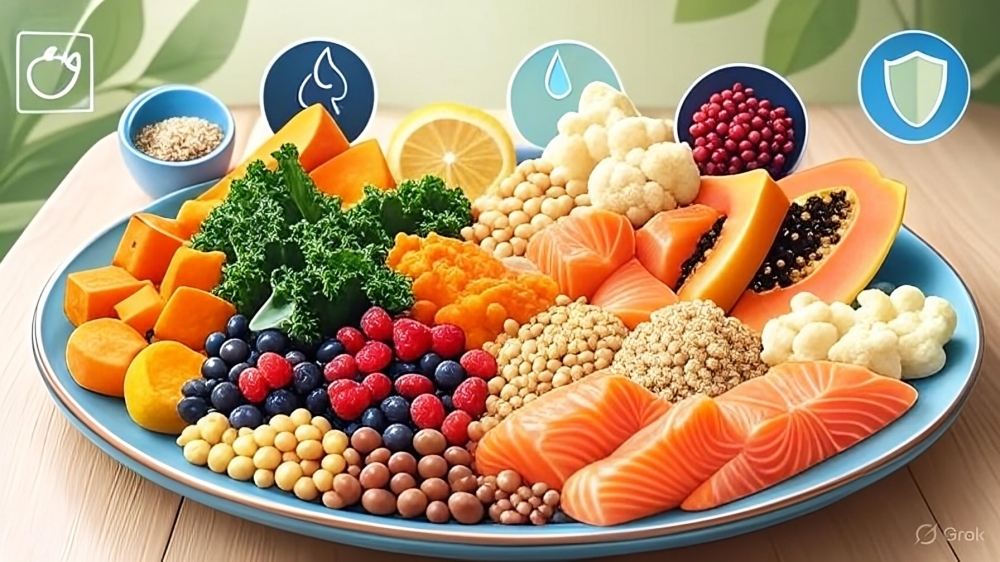
This comprehensive guide explores 10 scientifically-backed foods that not only help prevent acne breakouts but also support your skin’s natural healing processes. From nutrient-dense leafy greens to omega-3 rich fish, these foods work synergistically to reduce inflammation, balance hormones, and promote healthy skin cell turnover.
1. Kale: The Ultimate Skin-Protecting Superfood
Nutritional Powerhouse for Clear Skin
Kale stands out as one of the most nutrient-dense foods on the planet, making it an exceptional choice for acne-prone skin. This leafy green is packed with vitamins A, C, and K, along with essential minerals like zinc and iron that are crucial for skin repair and immune function.
Key benefits for acne prevention:
- Vitamin A: Promotes healthy skin cell turnover and prevents clogged pores
- Vitamin C: Boosts collagen production and reduces inflammation
- Vitamin K: Helps reduce hyperpigmentation and acne scarring
- Antioxidants: Combat free radicals that can worsen acne
How to Incorporate Kale Into Your Diet
Daily serving suggestions:
- Add 2-3 cups of massaged kale to salads
- Blend 1 cup into morning smoothies
- Sauté with garlic and olive oil as a side dish
- Bake into crispy kale chips for healthy snacking
Pro tip: Massage raw kale with a pinch of salt and lemon juice to break down tough fibers and improve digestibility.
2. Sweet Potatoes: Low-Glycemic Skin Saviors
Blood Sugar Stability for Clearer Skin
Sweet potatoes are an excellent low-glycemic alternative to regular potatoes, helping maintain stable blood sugar levels that directly impact acne formation. High-glycemic foods can trigger insulin spikes, leading to increased sebum production and inflammation.
Skin-supporting nutrients:
- Beta-carotene: Converts to vitamin A for healthy skin cell production
- Complex carbohydrates: Provide sustained energy without blood sugar spikes
- Fiber: Supports gut health and toxin elimination
- Potassium: Helps maintain proper cellular function
Creative Ways to Enjoy Sweet Potatoes
Meal preparation ideas:
- Roast cubes with herbs for a versatile side dish
- Mash with coconut milk for a creamy alternative
- Slice thin and bake into healthy “fries”
- Add to smoothie bowls for natural sweetness
3. Lemons: Vitamin C Powerhouses for Skin Repair
Natural Detoxification and Inflammation Reduction
Lemons are incredibly rich in vitamin C, providing over 50% of your daily needs in just one fruit. This powerful antioxidant supports collagen synthesis, reduces inflammation, and helps your body eliminate toxins that can contribute to acne breakouts.
Additional benefits:
- Citric acid: Gently exfoliates dead skin cells
- Flavonoids: Provide anti-inflammatory properties
- Pectin: Supports digestive health and nutrient absorption
Daily Lemon Integration Strategies
Simple incorporation methods:
- Start each morning with warm lemon water
- Add fresh lemon juice to salad dressings
- Zest lemon over cooked vegetables and fish
- Freeze lemon slices in ice cubes for flavored water
4. Pumpkin: Beta-Carotene Rich Skin Protector
Seasonal Nutrition for Year-Round Skin Health
Pumpkin isn’t just for fall – this orange powerhouse should be a year-round staple for anyone seeking clearer skin. Rich in beta-carotene, zinc, and vitamins A and C, pumpkin supports skin cell regeneration and provides natural protection against environmental damage.
Unique skin benefits:
- Zinc: Regulates oil production and supports wound healing
- Alpha-hydroxy acids: Naturally exfoliate and brighten skin
- Antioxidants: Protect against UV damage and premature aging
Year-Round Pumpkin Consumption
Versatile preparation options:
- Use canned pumpkin puree in smoothies and oatmeal
- Roast fresh pumpkin seeds for a zinc-rich snack
- Add pumpkin to soups, curries, and stews
- Incorporate into healthy baking recipes
5. Berries: Antioxidant-Rich Inflammation Fighters
Nature’s Candy for Clearer Skin
Berries – including blueberries, strawberries, raspberries, and blackberries – are among the highest antioxidant foods available. These colorful fruits help reduce inflammation, support immune function, and provide essential vitamins for skin health.
Specific berry benefits:
- Anthocyanins: Reduce inflammation and improve circulation
- Vitamin C: Supports collagen production and wound healing
- Fiber: Promotes healthy gut bacteria and toxin elimination
- Low glycemic index: Won’t trigger insulin spikes
Maximizing Berry Benefits
Daily consumption strategies:
- Add 1/2 cup to morning yogurt or oatmeal
- Freeze mixed berries for smoothie additions
- Create antioxidant-rich berry salads
- Snack on fresh berries between meals
6. Legumes: Protein-Packed Blood Sugar Stabilizers
Plant-Based Protein for Hormonal Balance
Legumes, including lentils, chickpeas, black beans, and kidney beans, provide an excellent source of plant-based protein while maintaining stable blood sugar levels. This combination is crucial for preventing the hormonal fluctuations that can trigger acne breakouts.
Nutritional advantages:
- High protein content: Supports skin repair and regeneration
- Complex carbohydrates: Provide sustained energy without spikes
- Zinc and iron: Essential minerals for immune function
- Fiber: Promotes healthy digestion and gut bacteria
Legume Meal Planning
Weekly preparation tips:
- Batch cook different legumes on Sundays
- Add to salads, soups, and grain bowls
- Create protein-rich hummus and bean dips
- Substitute for meat in traditional recipes
7. Papaya: Enzyme-Rich Digestive Support
Natural Digestive Aid for Better Skin
Papaya contains powerful digestive enzymes, particularly papain, which helps break down proteins and supports optimal nutrient absorption. Better digestion means fewer toxins circulating in your system and clearer skin as a result.
Unique skin-supporting properties:
- Papain enzyme: Improves protein digestion and nutrient absorption
- Vitamin A: Promotes healthy skin cell turnover
- Lycopene: Provides antioxidant protection
- Choline: Supports liver detoxification
Incorporating Papaya Daily
Fresh consumption ideas:
- Enjoy fresh papaya as a morning fruit
- Add to tropical smoothie bowls
- Create papaya and lime salads
- Use in marinades for natural meat tenderizing
8. Quinoa: Complete Protein for Skin Repair
Ancient Grain with Modern Skin Benefits
Quinoa stands out as one of the few plant foods that provide all essential amino acids, making it a complete protein source. This nutrient-dense grain supports skin repair while maintaining stable blood sugar levels.
Comprehensive nutritional profile:
- Complete protein: Contains all 9 essential amino acids
- Low glycemic index: Won’t trigger acne-causing insulin spikes
- Magnesium: Supports stress management and hormone balance
- B vitamins: Essential for healthy skin metabolism
Quinoa Meal Integration
Versatile preparation methods:
- Use as a base for grain bowls and salads
- Substitute for rice in traditional dishes
- Add to soups and stews for protein boost
- Create quinoa breakfast porridge with fruits
9. Salmon: Omega-3 Rich Anti-Inflammatory Powerhouse
Essential Fatty Acids for Skin Health
Wild-caught salmon provides one of the richest sources of omega-3 fatty acids, which are crucial for reducing inflammation throughout the body, including in the skin. These healthy fats also help maintain the skin’s natural barrier function.
Omega-3 benefits for acne:
- EPA and DHA: Reduce inflammatory responses
- Hormone regulation: Help balance acne-triggering hormones
- Skin barrier support: Maintain healthy cell membranes
- IGF-1 reduction: Lower levels of acne-promoting growth factors
Sustainable Salmon Consumption
Weekly serving recommendations:
- Aim for 2-3 servings of fatty fish per week
- Choose wild-caught over farmed when possible
- Grill, bake, or poach for healthiest preparation
- Pair with anti-inflammatory vegetables
10. Cauliflower: Versatile Cruciferous Detoxifier
Liver Support for Clearer Skin
Cauliflower belongs to the cruciferous vegetable family, known for supporting liver detoxification processes. A healthy liver is essential for processing hormones and eliminating toxins that can contribute to acne formation.
Detoxification benefits:
- Sulforaphane: Supports phase II liver detoxification
- Vitamin C: Provides antioxidant protection
- Choline: Essential for fat metabolism and liver function
- Fiber: Promotes healthy elimination
Creative Cauliflower Preparations
Innovative cooking methods:
- Rice cauliflower for low-carb grain substitute
- Mash as a potato alternative
- Roast with spices for a flavorful side dish
- Add to smoothies for extra nutrients (surprisingly mild taste)
Creating Your Anti-Acne Meal Plan
Weekly Planning Strategies
To maximize the skin-clearing benefits of these foods, consistency is key. Here’s how to create a sustainable anti-acne eating plan:
Meal planning essentials:
- Include 3-4 anti-acne foods in each meal
- Prep ingredients in advance for busy weekdays
- Create shopping lists organized by food categories
- Rotate foods to prevent boredom and ensure variety
Sample Daily Menu
Breakfast: Quinoa porridge with berries and lemon zest
Lunch: Kale salad with roasted sweet potatoes and legumes
Dinner: Grilled salmon with cauliflower rice and steamed vegetables
Snacks: Fresh papaya or roasted pumpkin seeds
Understanding Food Sensitivities and Acne
Identifying Personal Triggers
While these 10 foods are generally beneficial for most people, individual food sensitivities can still trigger acne in some cases. Common culprits include:
- Dairy products (especially high-fat dairy)
- High-glycemic grains and sugars
- Processed foods with artificial additives
- Excessive omega-6 oils
Elimination protocol:
- Remove suspected trigger foods for 3-4 weeks
- Reintroduce one food at a time
- Monitor skin response for 1-2 weeks
- Keep a detailed food and skin diary
The Science Behind Timing and Portions
Optimizing Nutrient Absorption
Meal timing considerations:
- Eat anti-inflammatory foods earlier in the day
- Include protein with each meal for stable blood sugar
- Space meals 3-4 hours apart for optimal digestion
- Stop eating 2-3 hours before bedtime
Portion guidelines:
- Fill half your plate with vegetables
- Include a palm-sized portion of protein
- Add a thumb-sized portion of healthy fats
- Limit grains to a cupped-hand portion
Supplements vs. Whole Foods
When to Consider Supplementation
While whole foods should be your primary source of nutrients, certain supplements can support your anti-acne diet:
Beneficial supplements:
- Omega-3 fish oil (if not eating fish regularly)
- Zinc (if deficient, but test first)
- Probiotics for gut health support
- Vitamin D (especially in winter months)
Important note: Always consult with a healthcare provider before starting any supplement regimen, as some can interact with medications or cause adverse effects in high doses.
Frequently Asked Questions
How long does it take to see results from dietary changes?
Most people begin noticing improvements in their skin within 4-6 weeks of consistently following an anti-acne diet. However, significant changes may take 2-3 months as your skin completes its natural renewal cycle.
Can I still eat my favorite foods occasionally?
Yes! The 80/20 rule works well for most people – aim to eat anti-acne foods 80% of the time while allowing flexibility for social occasions and treats the remaining 20%.
Are there any foods I should completely avoid?
While individual tolerances vary, most people with acne benefit from limiting high-glycemic foods, excessive dairy, and processed foods high in trans fats and artificial additives.
Do I need to eat all 10 foods every day?
No, aim to include 3-4 of these foods daily while rotating through the full list throughout the week. Variety ensures you get a broad spectrum of nutrients.
Can children follow this anti-acne diet?
These whole foods are generally safe and beneficial for children, but growing kids have different nutritional needs. Consult with a pediatrician or registered dietitian for personalized guidance.
Your Journey to Clearer Skin Starts Today
Building your skin’s defenses against acne doesn’t require expensive treatments or complicated routines – it starts with the foods you choose to nourish your body. These 10 anti-acne foods provide a powerful foundation for clearer, healthier skin by addressing the root causes of acne from within.
Remember, consistency is more important than perfection. Start by incorporating 2-3 of these foods into your daily routine, then gradually expand your repertoire as you discover new favorites. Your skin – and your overall health – will thank you for making these nutrient-dense choices.
The path to clear skin is a journey, not a destination. Be patient with yourself, stay consistent with your dietary choices, and celebrate the small improvements along the way. With time and dedication, you’ll build the strong skin defenses that lead to the clear, confident complexion you deserve.
Ready to transform your skin from the inside out? Start today by adding just one of these anti-acne foods to your next meal. Your future self will thank you for taking this important step toward naturally clear, radiant skin.