
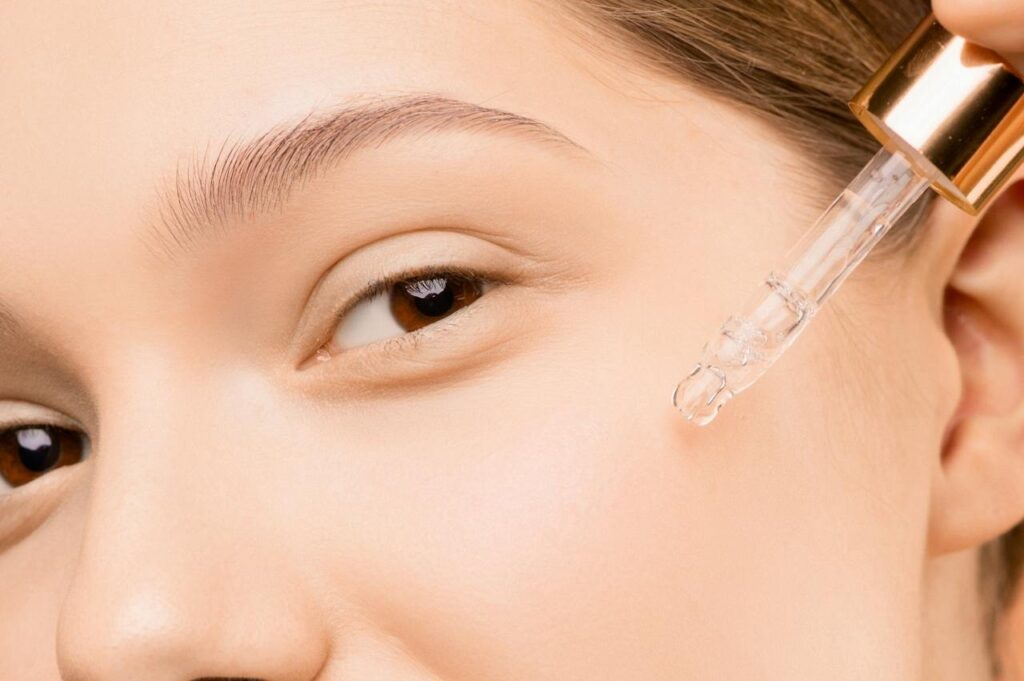
Achieving healthy, radiant skin doesn’t have to be complicated. With the right knowledge and consistent routine, anyone can develop a skincare regimen that delivers real results. This comprehensive guide combines dermatologist-approved advice with practical tips to help you build the perfect skincare routine for your unique needs.
Essential Skincare Fundamentals: The Core Three
Every effective skincare routine starts with three non-negotiable steps that form the foundation of healthy skin.
The Power of Proper Cleansing
Cleansing is the cornerstone of any skincare routine. Choose a gentle cleanser that removes dirt, oil, and makeup without stripping your skin’s natural barrier.
Best practices for cleansing:
- Use lukewarm water (hot water can irritate and dry out skin)
- Massage cleanser gently with your fingertips for 30-60 seconds
- Cleanse twice daily: morning and evening
- Double cleanse in the evening if you wear makeup or sunscreen
Moisturizing: Your Skin’s Best Friend
Moisturizer helps maintain your skin’s protective barrier and prevents water loss. Apply moisturizer to slightly damp skin to lock in hydration more effectively.
Moisturizing tips:
- Apply within 3 minutes of cleansing for maximum absorption
- Use upward motions when applying to face and neck
- Don’t forget often-missed areas like your décolletage and behind your ears
- Choose formulas based on your skin type (lightweight for oily, richer for dry)
Sun Protection: Your Daily Defense
Sunscreen is the single most important anti-aging product you can use. Apply broad-spectrum SPF 30 or higher every day, regardless of weather or season.
Sun protection essentials:
- Apply 1/4 teaspoon of sunscreen to face and neck
- Reapply every 2 hours when outdoors
- Use separate SPF products rather than relying on makeup with SPF
- Protect often-forgotten areas like ears, lips, and the back of your hands
Advanced Skincare Techniques for Enhanced Results
Once you’ve mastered the basics, these advanced techniques can take your skincare routine to the next level.
The Science of Product Layering
Apply products from thinnest to thickest consistency to ensure proper absorption:
- Cleanser
- Toner or essence
- Serums (vitamin C in morning, retinoids at night)
- Eye cream
- Moisturizer
- Sunscreen (morning only)
Ingredient Powerhouses to Know
Retinoids: The gold standard for anti-aging and acne treatment. Start with a low concentration and gradually increase frequency.
Vitamin C: A potent antioxidant that brightens skin and protects against environmental damage. Use in the morning for maximum protection.
Alpha and Beta Hydroxy Acids (AHAs/BHAs): Chemical exfoliants that remove dead skin cells and improve texture. AHAs work on the surface, while BHAs penetrate pores.
Peptides: Amino acid chains that support collagen production and skin repair.
Professional vs. At-Home Treatments
While a consistent at-home routine is crucial, professional treatments can address specific concerns more effectively:
When to see a dermatologist:
- Persistent acne that doesn’t respond to over-the-counter treatments
- Suspicious moles or skin changes
- Severe skin conditions like eczema or rosacea
- For prescription-strength treatments like tretinoin
Customized Care for Every Skin Type
Understanding your skin type is essential for choosing the right products and techniques.
Oily Skin Solutions
Characteristics: Enlarged pores, frequent breakouts, shiny T-zone
Best practices:
- Use gel or foam cleansers with salicylic acid
- Apply lightweight, oil-free moisturizers
- Incorporate BHA exfoliation 2-3 times weekly
- Avoid over-cleansing, which can trigger more oil production
Dry Skin Strategies
Characteristics: Tight feeling, flakiness, fine lines more visible
Best practices:
- Choose cream or oil-based cleansers
- Use rich, emollient moisturizers with ceramides or hyaluronic acid
- Apply facial oils before moisturizer for extra hydration
- Limit exfoliation to once weekly with gentle AHAs
Combination Skin Approach
Characteristics: Oily T-zone with normal to dry cheeks
Best practices:
- Use different products on different areas of your face
- Apply lightweight moisturizer to T-zone, richer formula to cheeks
- Spot-treat with targeted serums as needed
- Consider multi-masking for different zones
Sensitive Skin Care
Characteristics: Easily irritated, reactive to new products, redness-prone
Best practices:
- Choose fragrance-free, hypoallergenic products
- Introduce new products one at a time
- Patch test everything before full application
- Avoid harsh physical scrubs and high-concentration acids
Addressing Specific Skin Concerns
Acne Management and Prevention
Effective acne treatment requires a multi-pronged approach:
Key ingredients for acne-prone skin:
- Benzoyl peroxide (2.5-10%) for bacterial control
- Salicylic acid (0.5-2%) for pore clearing
- Adapalene (over-the-counter retinoid) for cell turnover
- Niacinamide for oil control and inflammation reduction
Acne prevention tips:
- Never pop pimples (this can cause scarring and spread bacteria)
- Change pillowcases frequently
- Clean makeup brushes and phone screens regularly
- Avoid touching your face throughout the day
Anti-Aging Strategies for Mature Skin
As we age, our skincare needs evolve. Focus on these key areas:
Essential anti-aging ingredients:
- Retinoids for collagen stimulation and cell turnover
- Vitamin C for antioxidant protection and brightening
- Peptides for firming and repair
- Hyaluronic acid for plumping hydration
Mature skin considerations:
- Use gentler exfoliation methods
- Incorporate facial massage to boost circulation
- Pay extra attention to neck and décolletage
- Consider professional treatments like chemical peels or microneedling
Lifestyle Factors That Impact Skin Health
Your skincare routine is just one piece of the puzzle. These lifestyle factors significantly impact your skin’s appearance and health.
Hydration and Nutrition
Internal hydration:
- Drink at least 8 glasses of water daily
- Limit alcohol and caffeine, which can dehydrate skin
- Eat water-rich foods like cucumbers, watermelon, and leafy greens
Skin-supporting nutrients:
- Omega-3 fatty acids for inflammation control
- Antioxidants from colorful fruits and vegetables
- Zinc for wound healing and oil regulation
- Vitamin D for skin cell growth and repair
Sleep and Stress Management
Quality sleep is when your skin repairs and regenerates. Poor sleep can lead to:
- Increased cortisol levels, triggering breakouts
- Reduced collagen production
- Dull, tired-looking complexion
- Dark circles and puffiness
Stress-reduction techniques:
- Practice meditation or deep breathing exercises
- Maintain a consistent sleep schedule (7-9 hours nightly)
- Exercise regularly to boost circulation and reduce stress hormones
- Consider adaptogens like ashwagandha for stress support
Seasonal Skincare Adjustments
Your skin’s needs change with the seasons, requiring routine adjustments:
Winter skincare:
- Switch to richer, more emollient moisturizers
- Use a humidifier to combat dry indoor air
- Reduce exfoliation frequency
- Apply lip balm with SPF for outdoor activities
Summer skincare:
- Opt for lightweight, gel-based moisturizers
- Increase antioxidant use for pollution protection
- Reapply sunscreen more frequently
- Use oil-blotting papers for midday touch-ups
Budget-Friendly Skincare Solutions
Effective skincare doesn’t require expensive products. Many drugstore options contain the same active ingredients as high-end brands:
Affordable ingredient sources:
- CeraVe for ceramides and hyaluronic acid
- The Ordinary for concentrated actives
- Neutrogena for retinol and salicylic acid
- EltaMD for broad-spectrum sunscreens
Money-saving tips:
- Start with basic formulations before investing in premium products
- Buy travel sizes to test products before committing
- Look for generic versions of proven ingredients
- Focus budget on sunscreen and treatment products rather than cleansers
Common Skincare Mistakes to Avoid
Even well-intentioned skincare routines can backfire. Avoid these common pitfalls:
Over-Exfoliation Warning Signs
- Increased sensitivity and redness
- Burning sensation when applying products
- Skin that feels tight or looks shiny
- More breakouts than usual
Product Interaction Cautions
- Don’t combine retinoids with AHAs/BHAs in the same routine
- Avoid using vitamin C with retinoids simultaneously
- Space out active ingredients to prevent irritation
- Always patch test new combinations
Application Timing Mistakes
- Using retinoids during the day (they increase sun sensitivity)
- Applying vitamin C at night (it’s most effective with sun protection)
- Mixing oil-based and water-based products incorrectly
- Not waiting between product applications
Building Your Personalized Routine
Creating an effective skincare routine is a gradual process. Start simple and build complexity over time:
Week 1-2: Establish basic routine (cleanser, moisturizer, sunscreen)
Week 3-4: Add one active ingredient (vitamin C or gentle exfoliant)
Month 2: Introduce additional treatments based on specific concerns
Month 3+: Fine-tune routine based on results and seasonal needs
Frequently Asked Questions
Q: How long does it take to see results from a new skincare routine?
A: Most people see initial improvements in 4-6 weeks, with significant changes occurring after 3-4 months of consistent use. Patience is key, as skin cell turnover takes approximately 28 days.
Q: Can I use multiple active ingredients in the same routine?
A: Yes, but introduce them gradually and pay attention to how your skin responds. Start with one active ingredient and add others slowly to avoid irritation.
Q: Is expensive skincare always better?
A: Not necessarily. Many affordable products contain the same active ingredients as luxury brands. Focus on ingredient quality and formulation rather than price point.
Q: How do I know if a product is causing breakouts?
A: Introduce new products one at a time and monitor your skin for 2-3 weeks. If you notice increased breakouts, discontinue use and consult a dermatologist if problems persist.
Q: Should my skincare routine change as I age?
A: Yes, your skin’s needs evolve over time. Generally, you’ll need richer moisturizers, more targeted anti-aging ingredients, and gentler exfoliation methods as you age.
Your Journey to Healthier Skin Starts Now
Achieving your best skin is a marathon, not a sprint. By understanding your skin type, choosing appropriate products, and maintaining consistency, you can build a routine that delivers lasting results. Remember that everyone’s skin is unique—what works for others may not work for you, and that’s perfectly normal.
Start with the basics, be patient with the process, and don’t hesitate to consult a dermatologist for persistent concerns. Your skin is an investment worth making, and with the right approach, you can achieve the healthy, radiant complexion you’ve always wanted.
Ready to transform your skin? Begin with the three essential steps outlined in this guide, and gradually incorporate advanced techniques as your skin adapts. Consistency is your greatest tool for success—commit to your routine, and your skin will thank you for years to come.