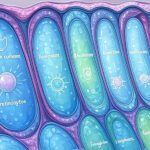

Your skin is far more than just a protective covering—it’s your body’s largest organ, comprising approximately 16% of your total body weight and serving as a complex, multi-layered barrier between your internal systems and the external environment. Understanding the intricate structure and functions of your skin layers is essential for maintaining optimal skin health and recognizing when professional care may be needed.
Understanding Your Skin’s Architecture
The human skin consists of three distinct layers, each with specialized functions that work together to protect, regulate, and maintain your body’s health. These layers—the epidermis, dermis, and hypodermis—form an integrated system that performs numerous vital functions beyond simple protection.
Your skin anatomy is remarkably sophisticated, containing millions of cells, nerve endings, blood vessels, and specialized structures that enable it to serve as a sensory organ, temperature regulator, immune barrier, and vitamin D synthesizer. This complex structure requires proper care and understanding to function optimally throughout your lifetime.
The Epidermis: Your Body’s First Line of Defense
Structure and Composition
The epidermis represents the outermost layer of your skin, serving as the primary barrier between your body and the external environment. This remarkable layer is composed primarily of keratinocytes (approximately 90% of epidermal cells) and melanocytes, which produce the pigment melanin responsible for your skin color and UV protection.
The epidermis consists of five distinct sublayers:
- Stratum corneum: The outermost layer of dead, flattened cells that provide waterproofing
- Stratum lucidum: A thin, clear layer found only in thick skin areas like palms and soles
- Stratum granulosum: Where cells begin to die and flatten
- Stratum spinosum: The thickest epidermal layer containing immune cells
- Stratum basale: The deepest layer where new skin cells are continuously generated
Key Functions of the Epidermis
Your epidermis performs several critical functions:
Barrier Protection: The epidermis prevents harmful substances, bacteria, and pathogens from entering your body while preventing excessive water loss. This barrier function is maintained through tight junctions between cells and the production of natural moisturizing factors.
Cell Regeneration: New skin cells are continuously produced in the stratum basale and migrate upward, replacing old cells in a process that takes approximately 28 days in healthy adults.
UV Protection: Melanocytes produce melanin in response to UV exposure, providing natural protection against harmful radiation and reducing skin cancer risk.
Immune Defense: Specialized immune cells called Langerhans cells patrol the epidermis, detecting and responding to potential threats.
The Dermis: Your Skin’s Support System
Structural Components
The dermis, located beneath the epidermis, is the thickest layer of your skin and serves as its structural foundation. This layer is rich in collagen and elastin fibers, which provide strength, elasticity, and resilience to your skin structure.
The dermis contains two distinct regions:
- Papillary dermis: The upper layer containing capillaries, nerve endings, and lymphatic vessels
- Reticular dermis: The deeper, thicker layer housing larger blood vessels, nerve trunks, and skin appendages
Essential Dermis Functions
Structural Support: Collagen fibers provide tensile strength, while elastin fibers allow your skin to stretch and return to its original shape. As you age, collagen production decreases, leading to wrinkles and reduced skin elasticity.
Sensory Perception: The dermis houses numerous nerve endings that enable you to feel touch, pressure, temperature, and pain. These sensory receptors are crucial for protecting your body from harm and enabling tactile experiences.
Temperature Regulation: Blood vessels in the dermis can dilate or constrict to help regulate body temperature. When you’re hot, vessels dilate to release heat; when cold, they constrict to conserve warmth.
Nutrient Supply: The extensive network of blood vessels in the dermis supplies nutrients and oxygen to both the dermis and the avascular epidermis above it.
Skin Appendages
The dermis houses several important structures:
- Hair follicles: Produce hair and contain stem cells important for skin repair
- Sebaceous glands: Produce sebum (natural oils) to lubricate and protect the skin
- Sweat glands: Help regulate temperature and eliminate waste products
- Nerve endings: Enable sensory perception and reflexive responses
The Hypodermis: Your Insulation and Energy Storage Layer
Composition and Structure
The hypodermis, also known as the subcutaneous fat layer, is the deepest layer of your skin structure. This layer consists primarily of adipose (fat) tissue, connective tissue, and larger blood vessels and nerves that supply the upper skin layers.
Critical Hypodermis Functions
Insulation: The fat tissue in the hypodermis provides thermal insulation, helping maintain your core body temperature in varying environmental conditions.
Cushioning: This layer acts as a shock absorber, protecting underlying muscles, bones, and organs from physical trauma and pressure.
Energy Storage: Adipose tissue stores energy in the form of fat, which can be mobilized when needed by your body.
Anchoring: The hypodermis connects your skin to underlying fascia and muscle, providing structural continuity.
Comprehensive Skin Functions
Barrier Protection and Immune Defense
Your skin serves as a sophisticated immune organ, providing both physical and immunological protection. The skin’s acid mantle (pH 4.5-6.5) creates an inhospitable environment for harmful bacteria while supporting beneficial microorganisms that comprise your skin microbiome.
Vitamin D Synthesis
When exposed to UVB radiation, your skin synthesizes vitamin D, essential for bone health, immune function, and numerous metabolic processes. This process occurs primarily in the epidermis and represents one of your skin’s most important metabolic functions.
Wound Healing and Repair
Your skin possesses remarkable regenerative capabilities, involving complex interactions between different cell types, growth factors, and immune responses. Understanding this process can help you support optimal healing and minimize scarring.
The Skin Microbiome: Your Invisible Ecosystem
Recent research has revealed the critical importance of the skin microbiome—the collection of beneficial bacteria, fungi, and other microorganisms living on your skin surface. This ecosystem plays crucial roles in:
- Protecting against pathogenic organisms
- Supporting immune function
- Maintaining skin pH balance
- Contributing to wound healing
Disruption of the skin microbiome through over-cleansing, antibiotic use, or harsh products can lead to various skin conditions and increased susceptibility to infections.
Common Skin Conditions and Disorders
Age-Related Changes
As you age, several changes occur in your skin layers:
- Decreased collagen production: Leading to wrinkles and reduced elasticity
- Slower cell turnover: Resulting in duller appearance and slower healing
- Reduced sebum production: Causing increased dryness
- Thinning of all skin layers: Increasing fragility and bruising susceptibility
Skin Cancer Prevention
Understanding your skin’s structure helps you recognize the importance of protection against skin cancer, the most common form of cancer. Regular self-examinations and professional screenings are essential, particularly for individuals with risk factors such as fair skin, family history, or extensive sun exposure.
Common Inflammatory Conditions
Various conditions can affect different skin layers:
- Eczema/Dermatitis: Often involving barrier dysfunction in the epidermis
- Psoriasis: Characterized by accelerated cell turnover and inflammation
- Acne: Involving sebaceous glands and hair follicles in the dermis
Optimizing Your Skin Health
Daily Skincare Essentials
Gentle Cleansing: Use mild, pH-balanced cleansers that preserve your skin’s natural barrier and microbiome.
Moisturization: Apply moisturizers containing ceramides, hyaluronic acid, or natural moisturizing factors to support barrier function.
Sun Protection: Use broad-spectrum sunscreen with SPF 30 or higher daily, regardless of weather conditions.
Lifestyle Factors for Healthy Skin
Nutrition: Consume a diet rich in antioxidants, omega-3 fatty acids, and vitamins A, C, and E to support skin health from within.
Hydration: Maintain adequate water intake to support cellular function and skin hydration.
Sleep: Prioritize quality sleep, as skin repair and regeneration occur primarily during rest periods.
Stress Management: Chronic stress can negatively impact skin health through hormonal changes and inflammatory responses.
Professional Care Considerations
Regular dermatological check-ups are essential for:
- Early detection of skin cancer
- Management of chronic skin conditions
- Professional treatments for aging concerns
- Guidance on appropriate skincare products
When to Seek Medical Attention
Consult a healthcare provider if you notice:
- New or changing moles or skin lesions
- Persistent rashes or irritation
- Wounds that don’t heal properly
- Sudden changes in skin texture or appearance
- Signs of infection (increased redness, warmth, pus)
Frequently Asked Questions
Q: How often does my skin completely renew itself?
A: Your epidermis completely renews approximately every 28 days in healthy adults, though this process slows with age.
Q: Can I improve my skin’s collagen production naturally?
A: Yes, through proper nutrition (vitamin C, protein), sun protection, regular exercise, and avoiding smoking. Certain skincare ingredients like retinoids and peptides may also help.
Q: Why is my skin different in various body areas?
A: Skin thickness and structure vary by location. For example, facial skin is thinner and more sensitive, while palm and sole skin is much thicker for protection.
Q: How does the skin microbiome affect my overall health?
A: A healthy skin microbiome supports immune function, prevents pathogenic infections, and may influence systemic health through the skin-gut axis.
Conclusion: Caring for Your Remarkable Skin
Understanding the complex structure and functions of your skin layers empowers you to make informed decisions about skincare and health. Your skin is a dynamic, living organ that requires thoughtful care and attention throughout your lifetime.
By maintaining proper skincare habits, protecting against environmental damage, supporting your skin’s natural functions, and seeking professional care when needed, you can help ensure your skin continues to serve its vital protective and regulatory roles effectively.
Remember that healthy skin is not just about appearance—it’s fundamental to your overall health and well-being. Invest in understanding and caring for this remarkable organ, and it will serve you well throughout your life.
Ready to optimize your skin health? Start by implementing a gentle, consistent skincare routine and schedule a consultation with a dermatologist to develop a personalized approach to maintaining your skin’s health and vitality.