
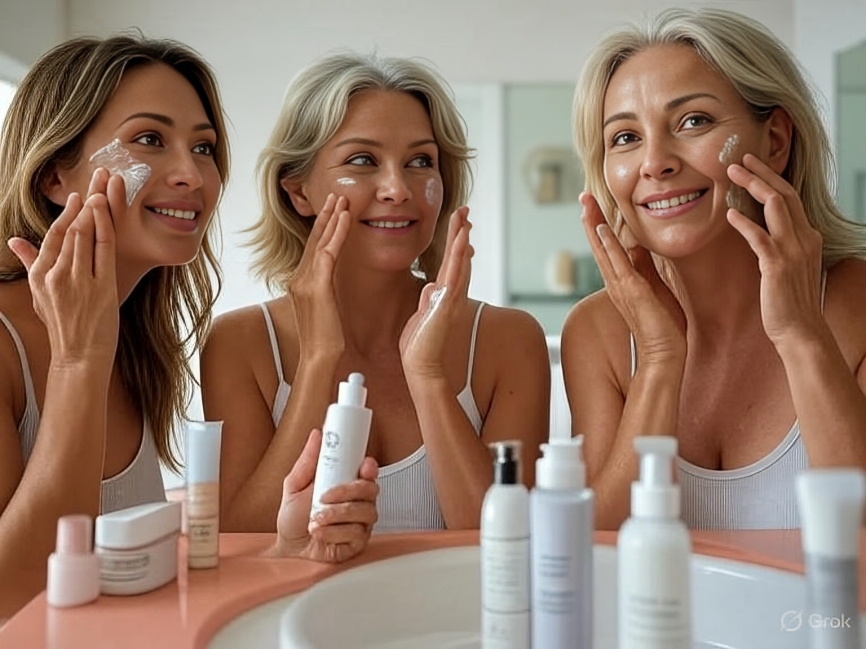
The journey of skin health is a lifelong evolution, marked by distinct phases that require tailored approaches and understanding. As we age, our skin undergoes remarkable transformations—from the hormone-driven changes of our teens to the wisdom lines of our golden years. This comprehensive guide explores how to nurture and protect your skin through every decade, incorporating the latest scientific insights and addressing the unique challenges each life stage presents.
Understanding the Science of Skin Aging
The Biological Timeline
Your skin begins its aging process surprisingly early—around age 25, when collagen production starts declining by approximately 1% annually. This gradual reduction affects skin elasticity, firmness, and overall appearance. Understanding this timeline helps you implement preventive measures before visible signs appear.
The aging process involves several key factors:
- Intrinsic aging: Natural genetic programming that affects cell turnover and protein production
- Extrinsic aging: Environmental damage from UV exposure, pollution, and lifestyle choices
- Hormonal fluctuations: Changes in estrogen, testosterone, and growth hormones throughout life
- Cellular senescence: The gradual slowing of skin cell regeneration and repair mechanisms
Environmental Factors Beyond UV Damage
While sun protection remains paramount, modern skin health faces additional challenges:
- Blue light exposure from digital devices can contribute to premature aging
- Air pollution creates free radicals that damage skin cells
- Climate change affects humidity levels and UV intensity
- Urban stress impacts cortisol levels, affecting skin barrier function
Skincare in Your 20s: Building the Foundation
Prevention is Your Superpower
Your twenties are the golden age of prevention. During this decade, focus on establishing habits that will serve you for life:
Essential Daily Routine:
- Gentle cleanser (morning and evening)
- Broad-spectrum SPF 30+ sunscreen (daily, rain or shine)
- Lightweight moisturizer with hyaluronic acid
- Weekly exfoliation with gentle acids
Managing Hormonal Acne
Many people experience adult acne in their twenties due to hormonal fluctuations, stress, and lifestyle factors. Key strategies include:
- Salicylic acid for unclogging pores
- Niacinamide to reduce inflammation
- Non-comedogenic products to prevent breakouts
- Consistent sleep schedule to regulate hormones
The Sleep-Skin Connection
Quality sleep is crucial for skin repair and regeneration. During deep sleep, your body produces growth hormone, which aids in cellular repair. Aim for 7-9 hours nightly and consider silk pillowcases to reduce friction.
Skincare in Your 30s: Early Intervention Strategies
Introducing Active Ingredients
Your thirties mark the time to incorporate more targeted treatments:
Vitamin C Serums:
- Antioxidant protection against environmental damage
- Stimulates collagen production
- Brightens skin tone and reduces hyperpigmentation
- Apply in the morning under sunscreen
Gentle Retinoids:
- Start with retinyl palmitate or low-concentration retinol
- Increases cell turnover and collagen production
- Use 2-3 times weekly initially, building tolerance gradually
Professional Treatment Considerations
This decade is ideal for preventive professional treatments:
- Chemical peels for improved texture and tone
- Laser therapy for early sun damage
- Professional facials for deep cleansing and hydration
- Microneedling to stimulate collagen production
Skincare in Your 40s: Addressing Visible Changes
Combating Collagen Loss
By your forties, collagen loss becomes more apparent. Focus on ingredients that support skin structure:
Peptides:
- Signal proteins that stimulate collagen production
- Improve skin firmness and elasticity
- Look for copper peptides and palmitoyl peptides
Hyaluronic Acid:
- Holds up to 1,000 times its weight in water
- Plumps skin and reduces fine lines
- Available in various molecular weights for different penetration levels
Hormonal Considerations
Perimenopause may begin in your forties, affecting skin in several ways:
- Decreased estrogen leads to thinner, drier skin
- Increased sensitivity and slower healing
- Changes in fat distribution affecting facial volume
Targeted Solutions:
- Ceramide-rich moisturizers to strengthen skin barrier
- Gentle, fragrance-free products for sensitive skin
- Regular professional treatments to maintain skin health
Skincare in Your 50s and Beyond: Embracing Mature Skin
Adapting to Hormonal Changes
Post-menopause brings significant skin changes requiring adjusted approaches:
Key Focus Areas:
- Hydration: Use richer, more emollient moisturizers
- Barrier repair: Incorporate ceramides and fatty acids
- Gentle exfoliation: Remove dead skin cells without irritation
- Sun protection: Continue daily SPF use—it’s never too late
Nutrition for Aging Skin
Internal health significantly impacts skin appearance:
- Omega-3 fatty acids: Support skin barrier function
- Antioxidant-rich foods: Combat free radical damage
- Adequate protein: Provides building blocks for collagen
- Hydration: Aim for 8-10 glasses of water daily
Professional Treatment Options
Advanced treatments can address specific concerns:
- Radiofrequency: Tightens skin and stimulates collagen
- Fractional lasers: Improve texture and reduce age spots
- Injectable treatments: Address volume loss and deep wrinkles
- LED light therapy: Promotes healing and collagen production
Addressing Skin Diversity and Inclusion
Skin Tone Considerations
Different skin tones age differently and require tailored approaches:
Melanin-Rich Skin:
- Higher natural SPF but still needs sun protection
- More prone to hyperpigmentation
- May experience keloid scarring
- Benefits from gentle, consistent treatments
Fair Skin:
- More susceptible to UV damage and skin cancer
- Shows aging signs earlier
- Requires higher SPF and frequent reapplication
- May tolerate stronger active ingredients
The Role of Skin Microbiome
Understanding Your Skin’s Ecosystem
Recent research highlights the importance of maintaining a healthy skin microbiome:
- Beneficial bacteria protect against harmful pathogens
- pH balance affects barrier function
- Probiotic skincare may support skin health
- Gentle cleansing preserves natural flora
Budget-Friendly Skincare Strategies
Maximizing Results Without Breaking the Bank
Effective skincare doesn’t require expensive products:
Drugstore Heroes:
- Gentle cleansers with simple ingredient lists
- Moisturizers with ceramides and hyaluronic acid
- Sunscreens with zinc oxide or titanium dioxide
- Basic retinol products for anti-aging benefits
DIY Approaches:
- Consistent routine trumps expensive products
- Focus on proven ingredients over trendy formulations
- Invest in sunscreen and one quality active ingredient
- Use samples to test products before purchasing
Sustainable and Clean Beauty Trends
Making Environmentally Conscious Choices
The beauty industry is evolving toward sustainability:
- Reef-safe sunscreens protect marine ecosystems
- Refillable packaging reduces waste
- Clean ingredients minimize environmental impact
- Cruelty-free testing aligns with ethical values
Emerging Technologies in Skincare
The Future of Personalized Beauty
Innovation continues to transform skincare:
- AI skin analysis provides personalized recommendations
- Custom formulations address individual needs
- Wearable devices track skin health metrics
- Telemedicine connects patients with dermatologists remotely
Lifestyle Factors for Healthy Skin
Holistic Approaches to Skin Health
Skincare extends beyond topical products:
Stress Management:
- Chronic stress increases cortisol, affecting skin barrier
- Practice meditation, yoga, or deep breathing
- Maintain work-life balance
- Seek professional help when needed
Exercise Benefits:
- Improves circulation and oxygen delivery
- Promotes lymphatic drainage
- Reduces stress hormones
- Enhances sleep quality
Avoiding Harmful Habits:
- Smoking accelerates aging and impairs healing
- Excessive alcohol dehydrates skin
- Poor diet affects skin inflammation
- Inadequate sleep disrupts repair processes
Professional Guidance and When to Seek Help
Recognizing When to Consult Experts
While many skin concerns can be addressed with over-the-counter products, certain situations require professional intervention:
- Persistent acne or skin conditions
- Suspicious moles or skin changes
- Severe sun damage or premature aging
- Allergic reactions or sensitivity issues
Frequently Asked Questions
Q: When should I start using anti-aging products?
A: Prevention is key—start with sunscreen in your teens and introduce gentle active ingredients like vitamin C in your twenties. Retinoids can be added in your late twenties or early thirties.
Q: Can men and women use the same skincare products?
A: While skin biology is similar, men’s skin is typically thicker and oilier due to higher testosterone levels. However, the basic principles of cleansing, moisturizing, and sun protection apply to everyone.
Q: How long does it take to see results from a new skincare routine?
A: Most people see initial improvements in 4-6 weeks, with more significant changes appearing after 3-6 months of consistent use. Patience and consistency are crucial for success.
Q: Is expensive skincare always better?
A: Not necessarily. Many effective ingredients are available in affordable formulations. Focus on proven ingredients like retinoids, vitamin C, and sunscreen rather than price tags.
Q: How do I know if a product is causing irritation?
A: Signs include redness, burning, stinging, or increased breakouts. Discontinue use and introduce new products one at a time to identify potential irritants.
Conclusion: Embracing Your Skin’s Journey
The evolution of skincare is ultimately about understanding and respecting your skin’s changing needs throughout life. By implementing age-appropriate strategies, maintaining consistency, and staying informed about new developments, you can support your skin’s health and appearance at every stage.
Remember that healthy skin is not about achieving perfection or stopping the natural aging process—it’s about nurturing your skin’s function, protecting it from preventable damage, and embracing the beauty that comes with each life stage. Whether you’re in your twenties building preventive habits or in your sixties adapting to mature skin needs, the key is finding a routine that works for your lifestyle, budget, and skin type.
Start where you are, use what you have, and do what you can. Your skin will thank you for the care and attention you provide, rewarding you with health, comfort, and confidence that radiates from within.
Ready to transform your skincare routine? Begin with the basics—gentle cleansing, daily moisturizing, and consistent sun protection—then gradually incorporate targeted treatments based on your age and concerns. Your future self will appreciate the investment you make in your skin’s health today.