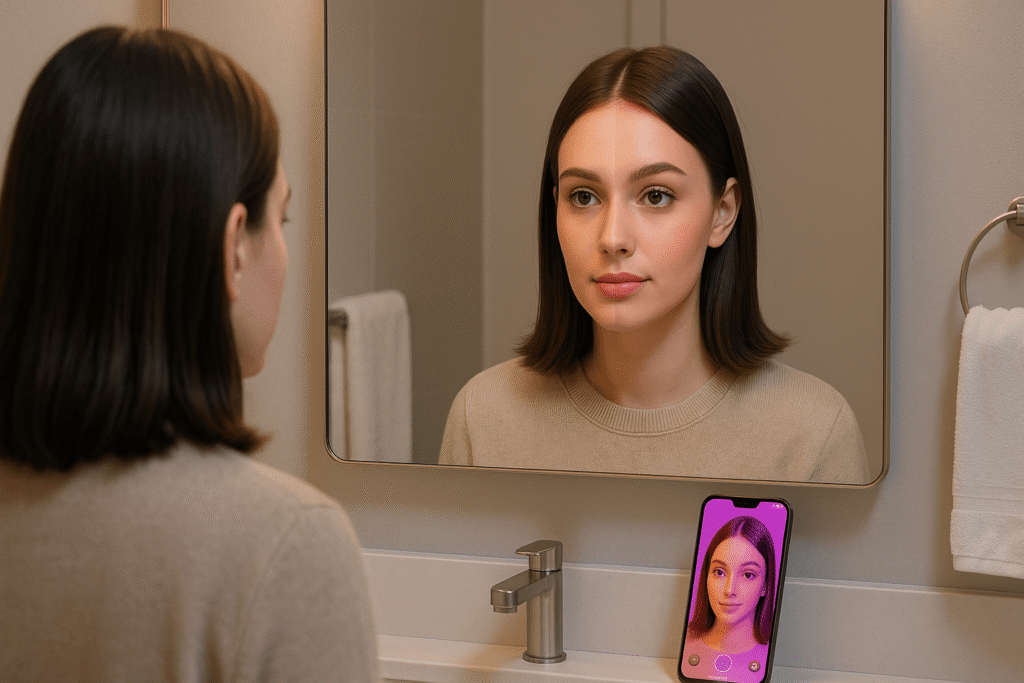
In an era where digital perfection is just a swipe away, millions of users worldwide are experiencing a troubling psychological phenomenon that’s reshaping how we perceive ourselves and define beauty. “Snapchat dysmorphia,” a term that has gained significant traction in medical and psychological circles, represents a disturbing trend where individuals seek cosmetic surgery to replicate their filtered appearance in real life.
This digital-age body image disorder is fundamentally altering the landscape of cosmetic surgery, mental health treatment, and social media interaction. As photo filters become increasingly sophisticated and accessible, the line between digital enhancement and reality continues to blur, leaving many struggling with unrealistic beauty standards and distorted self-perception.
What is Snapchat Dysmorphia?
The Origins of a Digital Disorder
The term “Snapchat dysmorphia” was coined by British plastic surgeon Dr. Tijion Esho in 2018 to describe the increasing phenomenon of patients seeking cosmetic procedures to achieve their filtered appearance in real life. Unlike traditional body dysmorphic disorder (BDD), which typically involves obsessive focus on perceived flaws, Snapchat dysmorphia specifically relates to the desire to look like digitally enhanced versions of oneself.
This condition represents a significant shift in cosmetic surgery motivations. Historically, patients would bring photos of celebrities or models as inspiration for their desired results. Today, they’re increasingly bringing edited selfies and filtered images of themselves, seeking to make their digital persona their physical reality.
The Psychology Behind Digital Perfection
Snapchat dysmorphia is closely linked to body dysmorphic disorder, a mental health condition affecting approximately 2.4% of the general population. However, among cosmetic surgery patients, this percentage jumps dramatically to 13%, highlighting the complex relationship between body image concerns and surgical interventions.
The psychological impact of constantly viewing and sharing filtered images creates a feedback loop of dissatisfaction. Users become accustomed to seeing themselves with:
- Smoothed skin and eliminated blemishes
- Enlarged eyes and enhanced facial symmetry
- Slimmed faces and refined jawlines
- Brightened complexions and whitened teeth
- Altered nose shapes and sizes
When confronted with their unfiltered reflection, many experience significant distress and disconnection from their natural appearance.
The Rise of Filter Culture and Its Impact on Mental Health
Statistics That Tell a Troubling Story
Recent research reveals the staggering scope of this phenomenon:
- 79% of facial plastic surgeons report patients wanting to “look better in selfies”
- 55% of surgeons in 2017 saw clients wanting to improve their selfie appearance, up from 42% in 2015
- 60% of girls feel upset when their real appearance doesn’t match their online version
- 80% of girls use retouching apps before age 13
These statistics paint a concerning picture of how deeply filter culture has penetrated our collective psyche, particularly among young people who are still developing their sense of identity and self-worth.
The Technical Reality: 2D vs. 3D Challenges
One of the most significant issues with Snapchat dysmorphia is the technical impossibility of translating 2D digital edits to 3D reality. Selfies naturally distort facial features, with studies showing that front-facing camera photos can make noses appear up to 30% larger than they actually are. When filters are applied to already distorted images, the disconnect between digital and physical reality becomes even more pronounced.
Plastic surgeons face the challenging task of explaining to patients that:
- Filters create mathematically impossible proportions
- Surgical procedures cannot replicate digital lighting effects
- Skin texture and aging cannot be permanently “filtered”
- Facial expressions and movement differ significantly from static filtered images
Signs and Symptoms of Body Dysmorphic Disorder in the Digital Age
Recognizing the Warning Signs
Mental health professionals have identified several key indicators that distinguish normal social media use from problematic behavior associated with Snapchat dysmorphia:
Behavioral Signs:
- Spending excessive time editing photos before posting
- Avoiding social situations or photos without filters
- Constantly comparing appearance to filtered images
- Seeking multiple cosmetic procedures to achieve “filter-like” results
- Experiencing anxiety or depression when unable to use filters
Psychological Symptoms:
- Distorted self-perception and body image
- Obsessive thoughts about perceived facial flaws
- Social withdrawal and isolation
- Decreased self-esteem and confidence
- Difficulty accepting compliments about natural appearance
The Neurological Impact
Recent brain imaging studies reveal that individuals with body dysmorphic disorder process visual information differently than those without the condition. This neurological difference may explain why people with BDD struggle to see themselves accurately, even when presented with objective evidence of their appearance.
How Social Media Platforms and Filters Manipulate Perception
The Psychology of Digital Enhancement
Modern photo filters employ sophisticated algorithms designed to enhance features in ways that trigger positive psychological responses. These technologies specifically target:
- Facial symmetry enhancement – Creating mathematically “perfect” proportions
- Skin smoothing algorithms – Eliminating natural texture and imperfections
- Eye enlargement features – Triggering evolutionary responses to youthful appearance
- Facial slimming effects – Conforming to contemporary beauty standards
Platform Responsibility and Regulatory Approaches
As awareness of Snapchat dysmorphia grows, there’s increasing pressure on social media platforms to address their role in perpetuating unrealistic beauty standards. Some platforms have begun implementing:
- Warning labels on heavily filtered content
- Educational resources about digital manipulation
- Features that encourage unfiltered posting
- Partnerships with mental health organizations
However, critics argue that these measures are insufficient given the scale of the problem and the platforms’ financial incentives to maintain user engagement through filter usage.
Cultural and Demographic Variations in Filter Usage
Global Perspectives on Digital Beauty
The impact of Snapchat dysmorphia varies significantly across different cultures and demographics. Research indicates that:
- Asian markets show higher rates of filter usage and acceptance of digital beauty enhancement
- Western cultures are experiencing rapid increases in filter-related body image concerns
- Younger demographics (ages 13-25) are disproportionately affected
- Gender differences exist, with females showing higher rates of filter usage and associated distress
Socioeconomic Factors
Access to cosmetic procedures creates additional complexity in how Snapchat dysmorphia manifests across different socioeconomic groups. While filter usage is relatively universal due to smartphone accessibility, the ability to pursue surgical “solutions” varies dramatically based on financial resources.
How Plastic Surgeons Are Adapting Their Practice
Enhanced Screening Protocols
Responsible plastic surgeons have developed more sophisticated screening processes to identify patients who may be suffering from Snapchat dysmorphia or underlying body dysmorphic disorder. These protocols include:
- Psychological assessments to evaluate motivation and expectations
- Digital image analysis to identify unrealistic surgical goals
- Waiting periods to ensure patients have thoroughly considered their decision
- Collaboration with mental health professionals for comprehensive care
Ethical Considerations in the Digital Age
The rise of Snapchat dysmorphia has forced the cosmetic surgery industry to grapple with new ethical challenges:
- When is it appropriate to refuse surgery based on digital inspiration?
- How can surgeons educate patients about realistic outcomes?
- What responsibility do practitioners have in addressing underlying psychological issues?
Building Healthy Digital Habits and Body Image
Practical Strategies for Digital Wellness
Developing a healthier relationship with social media and filtered images requires intentional effort and practical strategies:
For Individuals:
- Limit daily social media usage and filter application
- Practice “filter-free” days to reconnect with natural appearance
- Curate social media feeds to include diverse, unfiltered content
- Engage in offline activities that build self-esteem
- Seek professional help if body image concerns interfere with daily life
For Parents and Educators:
- Initiate “selfie talks” with young people about digital manipulation
- Model healthy social media behavior and body acceptance
- Educate about the technical aspects of photo editing and filters
- Encourage critical thinking about online beauty standards
The Role of Mental Health Professionals
Mental health treatment for Snapchat dysmorphia typically involves:
- Cognitive Behavioral Therapy (CBT) to address distorted thinking patterns
- Exposure therapy to reduce avoidance of unfiltered situations
- Mindfulness practices to improve present-moment body awareness
- Group therapy to reduce isolation and normalize struggles
Positive Movements and Counter-Trends
The Rise of Authenticity Movements
Despite the prevalence of filter culture, there’s a growing counter-movement promoting authenticity and unfiltered content:
- #NoFilter campaigns encouraging natural photo sharing
- Body positive influencers showcasing diverse, unedited appearances
- Platform features that highlight unfiltered content
- Educational initiatives about digital manipulation and its effects
Success Stories and Recovery
Long-term recovery from Snapchat dysmorphia is possible with appropriate treatment and support. Success stories often involve:
- Gradual reduction in filter usage and social media dependency
- Development of self-worth based on non-appearance factors
- Improved relationships and social connections
- Increased engagement in meaningful offline activities
Prevention and Early Intervention Strategies
Building Resilience in the Digital Age
Preventing Snapchat dysmorphia requires a multi-faceted approach involving individuals, families, schools, and healthcare providers:
Educational Initiatives:
- Media literacy programs teaching critical evaluation of digital content
- Body image education in schools and community settings
- Public awareness campaigns about the risks of excessive filter usage
Healthcare Integration:
- Routine screening for body image concerns in primary care settings
- Training for healthcare providers to recognize signs of digital-related body dysmorphia
- Collaboration between mental health professionals and cosmetic surgeons
Conclusion: Navigating Beauty in the Digital Age
Snapchat dysmorphia represents a complex intersection of technology, psychology, and societal beauty standards that requires thoughtful, comprehensive responses. While photo filters and digital enhancement tools aren’t inherently harmful, their widespread use has created unprecedented challenges for body image and mental health.
The path forward requires balanced approaches that acknowledge both the benefits and risks of digital technology. By promoting digital literacy, supporting mental health resources, and encouraging authentic self-expression, we can work toward a future where technology enhances rather than undermines our relationship with ourselves.
If you or someone you know is struggling with body image concerns related to social media or filter usage, don’t hesitate to seek professional help. Mental health professionals, particularly those specializing in body dysmorphic disorder and eating disorders, can provide valuable support and evidence-based treatment options.
Remember: true beauty lies not in digital perfection, but in the authentic, unique qualities that make each person irreplaceably themselves.
Frequently Asked Questions
Q: Is Snapchat dysmorphia a real medical condition?
A: While not yet officially recognized in diagnostic manuals, Snapchat dysmorphia is a legitimate phenomenon observed by mental health professionals and plastic surgeons. It’s closely related to body dysmorphic disorder and requires similar treatment approaches.
Q: Can using photo filters cause permanent psychological damage?
A: Occasional filter use is generally harmless, but excessive reliance on filters, especially when combined with underlying body image issues, can contribute to distorted self-perception and mental health problems. The key is moderation and maintaining awareness of the difference between filtered and natural appearance.
Q: How can parents help prevent Snapchat dysmorphia in their children?
A: Parents can help by having open conversations about digital manipulation, modeling healthy social media behavior, encouraging diverse activities that build self-esteem, and seeking professional help if concerning behaviors develop.
Q: Are there any positive aspects to photo filters and editing apps?
A: Photo filters can be fun creative tools and may help some people feel more confident sharing content online. The problems arise when filters become a necessity rather than an option, or when they create unrealistic expectations about appearance.
Q: What should I do if I think I have Snapchat dysmorphia?
A: If you’re experiencing distress about your appearance, especially in relation to filtered images, consider speaking with a mental health professional who specializes in body image issues. Treatment is available and effective for most people struggling with these concerns.