
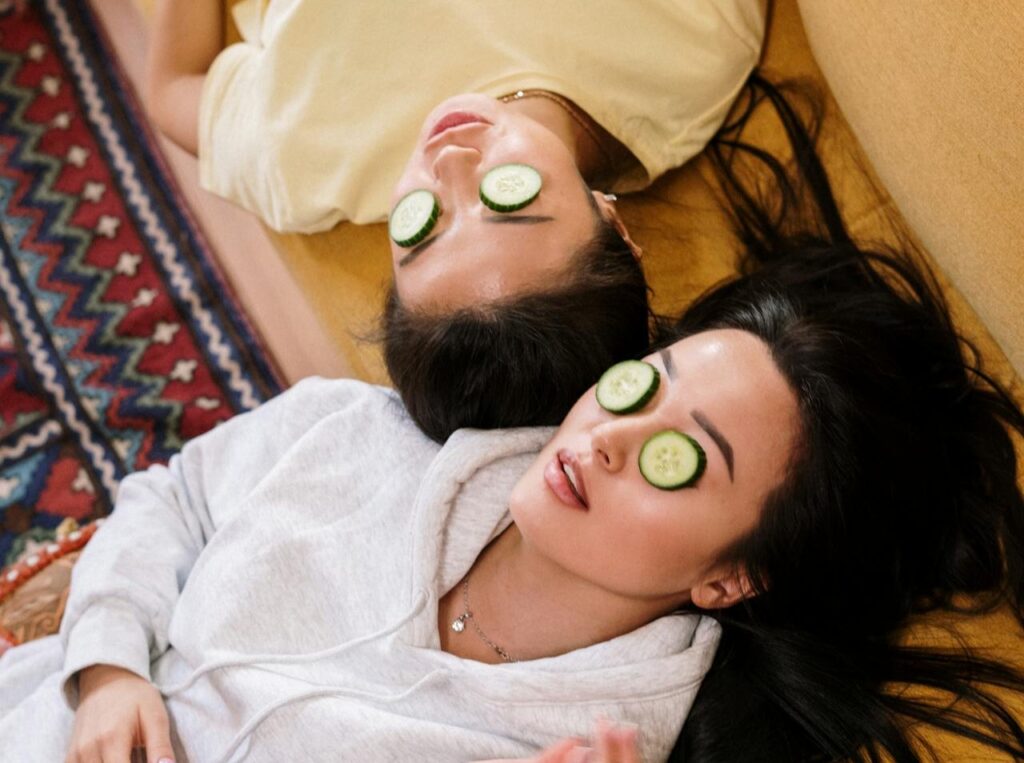
Creating a luxurious spa experience at home doesn’t have to be complicated, especially when you have sensitive skin. With the right approach, natural ingredients, and gentle techniques, you can transform your space into a soothing sanctuary that pampers your delicate skin without causing irritation. This comprehensive guide will walk you through everything you need to know about hosting the perfect DIY spa day tailored specifically for sensitive skin needs.
Understanding Your Sensitive Skin
What Makes Skin Sensitive?
Sensitive skin affects approximately 50% of women and 40% of men, making it one of the most common skin concerns. This condition occurs when your skin’s protective barrier is compromised, leading to increased reactivity to environmental factors, products, and treatments. Common triggers include:
- Harsh chemicals and fragrances
- Extreme temperatures
- Stress and hormonal changes
- Environmental pollutants
- Over-exfoliation or aggressive skincare routines
Identifying Your Sensitivity Triggers
Before planning your spa day, it’s crucial to understand what specifically irritates your skin. Keep a skincare diary for a week, noting any reactions to products, weather changes, or stress levels. This awareness will help you customize your spa treatments for maximum comfort and effectiveness.
Essential Preparation for Your Sensitive Skin Spa Day
Creating the Perfect Environment
Setting the Mood:
- Dim the lights or use soft, warm lighting
- Play calming music or nature sounds
- Ensure the room temperature is comfortable (68-72°F)
- Remove any potential stressors from your space
Gathering Your Supplies:
- Clean, soft towels washed with fragrance-free detergent
- A comfortable robe or loose clothing
- Hair ties or headband
- Small bowls for mixing treatments
- Soft washcloths
- A humidifier to add moisture to the air
Essential Tools and Equipment
Unlike regular spa treatments, sensitive skin requires specific tools that minimize irritation:
- Soft-bristled facial brush (optional, for very gentle cleansing)
- Jade roller or gua sha tool (for lymphatic drainage)
- Microfiber cloths (gentler than regular washcloths)
- Glass or ceramic bowls (avoid metal which can react with ingredients)
- Wooden spoons for mixing (avoid metal utensils)
Step-by-Step DIY Spa Routine for Sensitive Skin
Step 1: Gentle Cleansing
Start your spa day with a thorough but gentle cleanse to remove impurities without stripping your skin’s natural oils.
DIY Gentle Cleanser Recipe:
- 2 tablespoons plain Greek yogurt
- 1 teaspoon raw honey
- 1 teaspoon finely ground oats
Mix ingredients and gently massage onto damp skin for 30 seconds. Rinse with lukewarm water and pat dry with a soft towel.
Step 2: Mild Exfoliation (Weekly Only)
For sensitive skin, exfoliation should be done sparingly—no more than once per week.
Ultra-Gentle Exfoliating Scrub:
- 1 tablespoon finely ground oats
- 1 tablespoon plain yogurt
- 1 teaspoon honey
- 1/2 teaspoon coconut oil
Apply in gentle, circular motions for no more than 30 seconds. Focus on areas that tend to be less sensitive, avoiding the delicate eye area.
Step 3: Soothing Steam Treatment
Steam helps open pores gently and prepares your skin for deeper treatments.
Safe Steaming for Sensitive Skin:
- Fill a large bowl with hot (not boiling) water
- Add 2-3 drops of chamomile essential oil (optional)
- Drape a towel over your head and lean over the bowl
- Steam for 3-5 minutes maximum (sensitive skin can’t tolerate longer sessions)
Alternative: Place a warm, damp washcloth over your face for 2-3 minutes.
Step 4: Hydrating Face Masks
This is where you can really pamper your sensitive skin with nourishing, natural ingredients.
Calming Aloe and Cucumber Mask:
- 2 tablespoons fresh aloe vera gel
- 1/4 cucumber, pureed
- 1 teaspoon honey
- 1 teaspoon coconut milk
Oatmeal and Honey Soothing Mask:
- 2 tablespoons finely ground oats
- 1 tablespoon raw honey
- 1 tablespoon whole milk
- 1/2 teaspoon vitamin E oil
Anti-Inflammatory Chamomile Mask:
- 2 tablespoons cooled chamomile tea
- 1 tablespoon honey
- 1 tablespoon plain yogurt
- 1 teaspoon aloe vera gel
Apply your chosen mask evenly, avoiding the eye area. Leave on for 10-15 minutes, then rinse with cool water.
Step 5: Gentle Toning
DIY Sensitive Skin Toner:
- 1/2 cup rose water
- 1/4 cup aloe vera juice
- 1 teaspoon glycerin
- 2 drops lavender essential oil (optional)
Apply with a cotton pad or spray bottle, gently patting into skin.
Step 6: Moisturizing and Sealing
Hydrating Body Treatment:
Create a luxurious body treatment using:
- 1/4 cup coconut oil (melted)
- 2 tablespoons shea butter
- 1 tablespoon aloe vera gel
- 3 drops chamomile essential oil
Warm the mixture slightly and massage into damp skin for maximum absorption.
Seasonal Adjustments for Sensitive Skin Spa Days
Winter Spa Modifications
- Use a humidifier during treatments
- Opt for richer, more emollient masks
- Avoid hot water, which can further dry sensitive skin
- Focus on barrier-repair ingredients like ceramides and hyaluronic acid
Summer Spa Adaptations
- Use cooling ingredients like cucumber and aloe
- Incorporate antioxidant-rich treatments to combat sun damage
- Keep masks in the refrigerator for extra cooling effect
- Focus on lightweight, non-comedogenic moisturizers
Body Treatments for Sensitive Skin
Gentle Body Scrub
- 1/2 cup fine sea salt
- 1/4 cup coconut oil
- 2 tablespoons honey
- 1 tablespoon ground oats
Use in the shower with gentle, circular motions, focusing on rough areas like elbows and knees.
Relaxing Bath Soak
- 1/2 cup Epsom salts
- 1/4 cup baking soda
- 10 drops lavender essential oil
- 2 tablespoons coconut milk powder
Add to warm (not hot) bath water and soak for 15-20 minutes.
Aromatherapy Safety for Sensitive Skin
Essential oils can enhance your spa experience, but they require careful selection for sensitive skin:
Safe Essential Oils:
- Chamomile (German or Roman)
- Lavender (true lavender, not lavandin)
- Rose
- Sandalwood
- Frankincense
Oils to Avoid:
- Peppermint
- Eucalyptus
- Tea tree (unless heavily diluted)
- Citrus oils (can cause photosensitivity)
- Cinnamon or clove
Always dilute essential oils to 0.5-1% concentration for sensitive skin (3-6 drops per ounce of carrier oil).
Troubleshooting Common Issues
If You Experience Irritation
- Immediately rinse the area with cool water
- Apply a cold compress for 5-10 minutes
- Use a gentle, fragrance-free moisturizer
- Avoid any active ingredients for 24-48 hours
Signs to Stop Treatment
- Burning or stinging sensation
- Excessive redness that doesn’t fade within 30 minutes
- Swelling or hives
- Increased sensitivity to touch
Nutrition and Hydration for Healthy Skin
Skin-Supporting Foods
Incorporate these anti-inflammatory foods into your spa day meal:
- Fatty fish rich in omega-3s
- Leafy greens and colorful vegetables
- Berries high in antioxidants
- Nuts and seeds
- Green tea
Hydration Strategy
- Drink at least 8 glasses of water throughout the day
- Herbal teas like chamomile or green tea provide additional antioxidants
- Limit alcohol and caffeine, which can dehydrate skin
- Consider adding a slice of cucumber or lemon to your water for extra nutrients
Frequency and Timing Guidelines
How Often to Spa
- Full spa day: Once every 2-3 weeks
- Face masks: 1-2 times per week
- Gentle exfoliation: Once per week maximum
- Daily: Gentle cleansing and moisturizing
Best Timing
- Evening spa sessions allow skin to recover overnight
- Avoid scheduling spa days during hormonal fluctuations
- Plan spa treatments 2-3 days before important events to allow for any potential reactions
Professional vs. At-Home Treatments
While DIY spa days are wonderful for regular maintenance, consider professional treatments for:
- Persistent skin issues
- Deep cleansing facials (quarterly)
- Advanced treatments like chemical peels (with dermatologist approval)
- Customized treatment plans for specific concerns
Creating Your Spa Day Timeline
2 Hours Before:
- Prepare all ingredients and tools
- Set up your space
- Begin hydrating
The Spa Sequence (90 minutes):
- Gentle cleansing (5 minutes)
- Optional exfoliation (5 minutes)
- Steam treatment (5 minutes)
- Face mask application (15 minutes)
- Body treatment (20 minutes)
- Relaxing bath (20 minutes)
- Final moisturizing (10 minutes)
- Relaxation time (10 minutes)
Conclusion
Creating a DIY spa day for sensitive skin is about more than just pampering—it’s about developing a deeper understanding of your skin’s needs and creating a sustainable self-care routine. By using gentle, natural ingredients and following proper techniques, you can achieve professional-level results while respecting your skin’s delicate nature.
Remember, consistency is key. Regular, gentle care will yield better results than occasional intensive treatments. Listen to your skin, adjust treatments as needed, and don’t hesitate to simplify your routine if something doesn’t feel right.
Your sensitive skin deserves the same luxury and attention as any other skin type. With these techniques and recipes, you can create a spa experience that not only relaxes your mind but also nourishes and protects your delicate skin barrier.
Frequently Asked Questions
Q: How often can I do a DIY spa day with sensitive skin?
A: For sensitive skin, limit full spa days to once every 2-3 weeks. You can do gentle face masks 1-2 times per week and maintain daily gentle cleansing and moisturizing.
Q: What ingredients should I absolutely avoid with sensitive skin?
A: Avoid menthol, peppermint, eucalyptus, high concentrations of essential oils, alcohol-based products, and anything with artificial fragrances. Also be cautious with citrus oils and strong acids.
Q: Can I use store-bought products instead of DIY recipes?
A: Yes, but look for products labeled “for sensitive skin,” “fragrance-free,” and “hypoallergenic.” Choose products with fewer than 10 ingredients and avoid those with sulfates, parabens, and artificial fragrances.
Q: What should I do if my skin reacts during a treatment?
A: Immediately rinse the area with cool water, apply a cold compress, and use a gentle moisturizer. If irritation persists or worsens, discontinue all treatments and consult a dermatologist.
Q: Is it safe to use essential oils on sensitive skin?
A: Some essential oils like chamomile, lavender, and rose can be safe when properly diluted (0.5-1% concentration). Always patch test first and avoid photosensitizing oils like citrus. When in doubt, skip the essential oils entirely.
Ready to transform your self-care routine? Start with one simple treatment today and gradually build your perfect sensitive skin spa day routine. Your skin will thank you for the gentle, consistent care!