
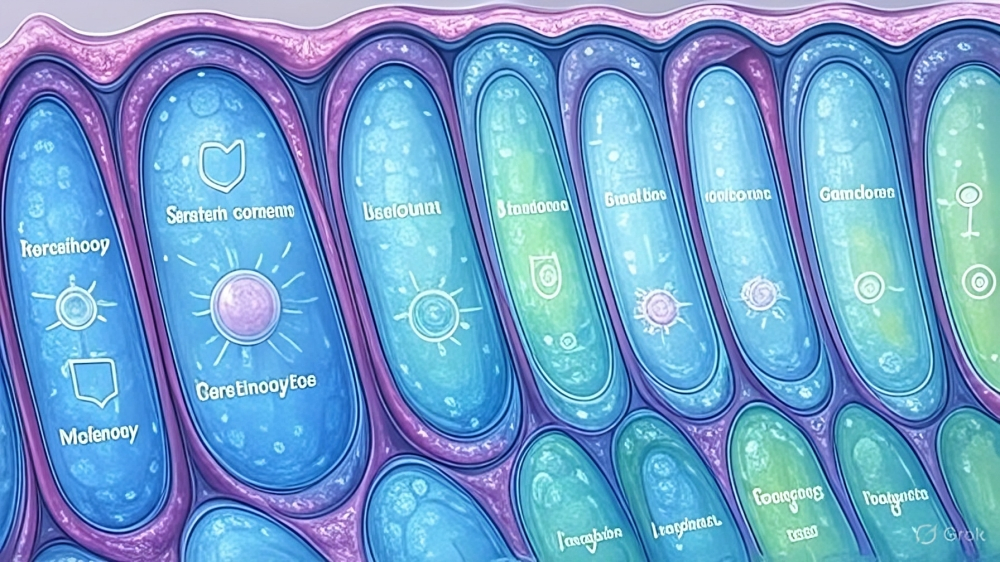
Your skin is your body’s largest organ, and the epidermis—its outermost layer—serves as your first line of defense against the world. Understanding how your epidermis functions can help you make better decisions about skincare, recognize potential health issues, and appreciate the remarkable complexity of this protective barrier that covers your entire body.
What is the Epidermis?
The epidermis is the outermost layer of your skin, forming a protective barrier between your internal organs and the external environment. This thin but mighty layer, measuring only 0.05 to 1.5 millimeters thick depending on body location, consists of multiple sublayers that work together to keep you healthy and safe.
Unlike deeper skin layers, the epidermis contains no blood vessels. Instead, it receives nutrients through diffusion from the dermis below. This unique characteristic allows the epidermis to constantly renew itself, shedding dead cells from the surface while generating new ones from deeper layers.
Key Characteristics of the Epidermis
- Thickness varies by location: Thinnest on eyelids (0.05mm), thickest on palms and soles (1.5mm)
- Constantly regenerating: Complete cellular turnover occurs every 28-30 days
- Waterproof barrier: Prevents excessive water loss and blocks harmful substances
- UV protection: Contains melanin-producing cells that shield against radiation damage
The Five Layers of the Epidermis
The epidermis consists of five distinct layers, each with specialized functions that contribute to your skin’s overall protective capabilities.
Stratum Basale (Basal Layer)
The deepest epidermal layer, the stratum basale, serves as the foundation for all other layers. This single row of columnar cells continuously divides to produce new keratinocytes that migrate upward through the epidermis.
Key functions:
- Cell division and regeneration
- Melanocyte housing for pigment production
- Merkel cell location for touch sensation
- Attachment to the dermis below
Stratum Spinosum (Spiny Layer)
Named for its spiky appearance under microscopic examination, the stratum spinosum contains multiple layers of keratinocytes connected by desmosomes—protein structures that provide strength and flexibility.
Key functions:
- Structural support through cell connections
- Langerhans cell housing for immune surveillance
- Beginning of keratin protein production
- Maintenance of skin elasticity
Stratum Granulosum (Granular Layer)
The stratum granulosum marks the beginning of the skin’s barrier formation. Cells in this layer start producing keratohyalin granules and lamellar bodies, which are essential for creating the waterproof barrier.
Key functions:
- Lipid barrier formation
- Keratin filament organization
- Cell death preparation
- Waterproofing initiation
Stratum Lucidum (Clear Layer)
Present only in thick skin areas like palms and soles, the stratum lucidum provides additional protection in high-wear locations. This transparent layer consists of flattened, dead cells filled with keratin.
Key functions:
- Extra protection for high-friction areas
- Enhanced barrier function
- Increased durability
- Improved grip surface
Stratum Corneum (Horny Layer)
The outermost layer, the stratum corneum, consists of 15-20 layers of dead, flattened cells called corneocytes. These cells are embedded in a lipid matrix, creating a “brick and mortar” structure that forms your skin’s primary protective barrier.
Key functions:
- Primary barrier protection
- Water retention regulation
- Pathogen exclusion
- Environmental protection
Essential Functions of the Epidermis
Your epidermis performs multiple critical functions that are essential for survival and health.
Barrier Protection
The epidermis acts as a selective barrier, preventing harmful substances from entering your body while regulating what can pass through. This includes:
- Chemical protection: Blocking toxins, allergens, and irritants
- Pathogen defense: Preventing bacteria, viruses, and fungi from entering
- Physical protection: Shielding against mechanical damage
- Water regulation: Preventing excessive water loss while allowing controlled absorption
UV Radiation Defense
Melanocytes in the epidermis produce melanin, the pigment responsible for skin color and UV protection. When exposed to sunlight, these cells increase melanin production, creating a natural sunscreen effect that helps prevent DNA damage from harmful radiation.
Temperature Regulation
The epidermis contributes to thermoregulation through:
- Sweat gland openings that allow cooling through evaporation
- Blood vessel dilation and constriction signals
- Insulation properties that help maintain core body temperature
Immune Surveillance
Langerhans cells within the epidermis serve as immune sentinels, detecting foreign substances and initiating immune responses when necessary. These specialized cells can capture antigens and present them to other immune cells, helping your body recognize and respond to potential threats.
Sensory Function
The epidermis contains nerve endings and specialized cells that enable various sensations:
- Touch: Merkel cells detect light touch and texture
- Pressure: Nerve endings respond to mechanical stimulation
- Temperature: Thermoreceptors sense hot and cold
- Pain: Nociceptors alert you to potential damage
Key Cell Types in the Epidermis
Understanding the different cell types in your epidermis helps explain how this complex tissue performs its many functions.
Keratinocytes (90% of epidermal cells)
Keratinocytes are the primary structural cells of the epidermis, producing keratin protein that provides strength and waterproofing. These cells begin life in the basal layer and gradually migrate upward, changing structure and function as they move through each layer.
Melanocytes (8% of epidermal cells)
Located primarily in the basal layer, melanocytes produce melanin pigment that gives skin its color and provides UV protection. Each melanocyte can supply melanin to approximately 30-40 surrounding keratinocytes through specialized projections called dendrites.
Langerhans Cells (2% of epidermal cells)
These immune cells patrol the epidermis, capturing foreign antigens and presenting them to T-cells in nearby lymph nodes. Langerhans cells play a crucial role in contact allergies and immune responses to topical substances.
Merkel Cells (<1% of epidermal cells)
Found in the basal layer, particularly in areas sensitive to touch, Merkel cells function as mechanoreceptors, detecting light touch and contributing to your sense of texture and fine detail.
Age-Related Changes in the Epidermis
As you age, your epidermis undergoes several changes that affect its appearance and function:
Cellular Turnover Slows
The normal 28-30 day cell renewal cycle gradually extends, leading to:
- Duller skin appearance
- Slower wound healing
- Increased susceptibility to damage
- Reduced barrier function efficiency
Structural Changes
- Thinning: The epidermis becomes thinner and more fragile
- Reduced elasticity: Decreased keratin production affects skin flexibility
- Moisture loss: Compromised barrier function leads to increased dryness
- Pigmentation changes: Uneven melanin distribution causes age spots
Environmental Impact Over Time
Years of environmental exposure result in:
- Accumulated UV damage
- Pollution-related oxidative stress
- Reduced antioxidant capacity
- Compromised repair mechanisms
Common Epidermis-Related Conditions
Several skin conditions primarily affect the epidermis, understanding these can help you recognize when to seek professional care.
Eczema (Atopic Dermatitis)
A chronic inflammatory condition characterized by:
- Compromised barrier function
- Increased water loss
- Enhanced sensitivity to irritants
- Red, itchy, inflamed patches
Psoriasis
An autoimmune condition causing:
- Accelerated cell turnover (3-4 days instead of 28-30)
- Thick, scaly patches
- Inflammation and redness
- Potential joint involvement
Skin Cancer
Three main types affect the epidermis:
- Basal cell carcinoma: Most common, slow-growing
- Squamous cell carcinoma: More aggressive, can metastasize
- Melanoma: Most dangerous, affects melanocytes
Acne
Primarily affects hair follicles but involves epidermal changes:
- Increased keratin production
- Follicle blockage
- Bacterial overgrowth
- Inflammatory response
Environmental Factors Affecting Epidermis Health
Beyond UV radiation, several environmental factors impact your epidermis:
Air Pollution
- Particulate matter: Can penetrate skin and cause oxidative stress
- Ozone: Depletes antioxidants and accelerates aging
- Heavy metals: Accumulate in skin and disrupt cellular function
Climate Conditions
- Low humidity: Increases water loss and dryness
- Extreme temperatures: Stress cellular function
- Wind exposure: Enhances moisture evaporation
- Seasonal changes: Require skincare routine adjustments
Lifestyle Factors
- Diet: Antioxidant-rich foods support skin health
- Hydration: Adequate water intake maintains barrier function
- Sleep: Essential for cellular repair and regeneration
- Stress: Can trigger inflammatory skin conditions
How to Maintain a Healthy Epidermis
Protecting and nurturing your epidermis requires a comprehensive approach combining proper skincare, lifestyle choices, and environmental protection.
Daily Skincare Essentials
Gentle Cleansing
- Use mild, pH-balanced cleansers
- Avoid over-washing or harsh scrubbing
- Choose products appropriate for your skin type
- Remove makeup and pollutants before bed
Moisturizing
- Apply moisturizer to damp skin to lock in hydration
- Choose products with ceramides, hyaluronic acid, or glycerin
- Use heavier formulations in dry climates or winter
- Don’t forget often-missed areas like neck and hands
Sun Protection
- Apply broad-spectrum SPF 30+ sunscreen daily
- Reapply every 2 hours when outdoors
- Seek shade during peak UV hours (10 AM – 4 PM)
- Wear protective clothing and accessories
Ingredient Recommendations for Epidermis Health
Barrier-Supporting Ingredients:
- Ceramides: Restore and maintain lipid barrier
- Niacinamide: Reduces inflammation and improves barrier function
- Hyaluronic acid: Attracts and retains moisture
- Peptides: Support collagen production and repair
Antioxidant Protection:
- Vitamin C: Protects against free radical damage
- Vitamin E: Supports barrier function and healing
- Green tea extract: Anti-inflammatory and protective
- Resveratrol: Powerful antioxidant with anti-aging benefits
Lifestyle Modifications
Nutrition for Skin Health
- Consume omega-3 fatty acids for anti-inflammatory effects
- Include antioxidant-rich fruits and vegetables
- Maintain adequate protein intake for keratin production
- Limit processed foods and excess sugar
Hydration and Sleep
- Drink 8-10 glasses of water daily
- Use a humidifier in dry environments
- Aim for 7-9 hours of quality sleep nightly
- Manage stress through relaxation techniques
When to Consult a Dermatologist
Seek professional evaluation if you notice:
- Persistent skin changes: Lasting more than 2-3 weeks
- New or changing moles: Especially with irregular borders or colors
- Chronic skin conditions: That don’t respond to over-the-counter treatments
- Severe reactions: To new products or environmental exposures
- Signs of infection: Increased redness, warmth, pus, or fever
The Future of Epidermis Care
Emerging research and technologies are revolutionizing how we understand and care for the epidermis:
Personalized Skincare
- Genetic testing: Identifying individual skin vulnerabilities
- Microbiome analysis: Understanding skin bacterial balance
- AI-powered recommendations: Customized product selection
- Wearable sensors: Real-time skin condition monitoring
Advanced Ingredients
- Stem cell technology: Promoting cellular regeneration
- Nanotechnology: Enhanced ingredient delivery
- Bioengineered compounds: Targeted skin repair mechanisms
- Probiotic skincare: Supporting healthy skin microbiome
Frequently Asked Questions
How long does it take for the epidermis to completely renew itself?
The epidermis typically undergoes complete cellular turnover every 28-30 days in healthy young adults. This process slows with age, extending to 45-60 days or longer in older individuals.
Can damaged epidermis repair itself?
Yes, the epidermis has remarkable regenerative capacity. Minor damage from cuts, scrapes, or environmental exposure can heal completely. However, severe damage from burns, chronic sun exposure, or certain medical conditions may result in permanent changes.
Why does my skin feel different in various climates?
The epidermis responds to environmental humidity, temperature, and air quality. Low humidity increases water loss, making skin feel dry and tight. High humidity can increase oil production and sensitivity. Your skin’s barrier function adapts to these changes over time.
Is it normal for skin to shed constantly?
Yes, the continuous shedding of dead skin cells from the stratum corneum is completely normal and necessary for healthy skin function. You naturally shed about 30,000-40,000 dead skin cells every minute.
How does aging affect epidermis thickness?
The epidermis gradually thins with age, losing approximately 6-7% of its thickness per decade after age 30. This thinning contributes to increased fragility, slower healing, and reduced barrier function in older adults.
Conclusion: Your Epidermis as a Lifelong Partner
Your epidermis is far more than just a protective covering—it’s a dynamic, living tissue that adapts, heals, and protects you throughout your life. By understanding its structure, functions, and needs, you can make informed decisions about skincare, recognize potential problems early, and maintain healthy skin for years to come.
Remember that caring for your epidermis is an investment in your overall health and well-being. The protective barrier it provides is irreplaceable, and the daily care you give it today will pay dividends in the form of healthier, more resilient skin tomorrow.
Take action today by evaluating your current skincare routine, protecting yourself from environmental damage, and consulting with a dermatologist if you have concerns about your skin health. Your epidermis works tirelessly to protect you—return the favor by giving it the care and attention it deserves.