Anxiety affects millions of people worldwide, manifesting as persistent worry, physical tension, and overwhelming fear that can significantly impact daily life. While anxiety is a natural human response to stress, chronic anxiety can become debilitating without proper management techniques. The good news is that there are numerous evidence-based coping strategies that can help you regain control and find relief.
This comprehensive guide explores 15 effective coping techniques for anxiety, combining immediate relief strategies with long-term management approaches. Whether you’re dealing with generalized anxiety disorder, social anxiety, panic attacks, or everyday stress, these techniques can be adapted to your specific needs and circumstances.
Understanding Anxiety: The Foundation for Effective Coping
Before diving into specific techniques, it’s crucial to understand what anxiety is and how it affects your body and mind. Anxiety triggers your body’s fight-or-flight response, releasing stress hormones like cortisol and adrenaline. This physiological reaction can cause symptoms such as:
- Rapid heartbeat and breathing
- Muscle tension and trembling
- Sweating and dizziness
- Racing thoughts and difficulty concentrating
- Digestive issues and sleep disturbances
Recognizing these symptoms is the first step toward implementing effective coping strategies. Remember, anxiety is treatable, and with the right techniques, you can learn to manage it successfully.
Immediate Relief Techniques: Quick Strategies for Acute Anxiety
1. Deep Breathing and Diaphragmatic Breathing
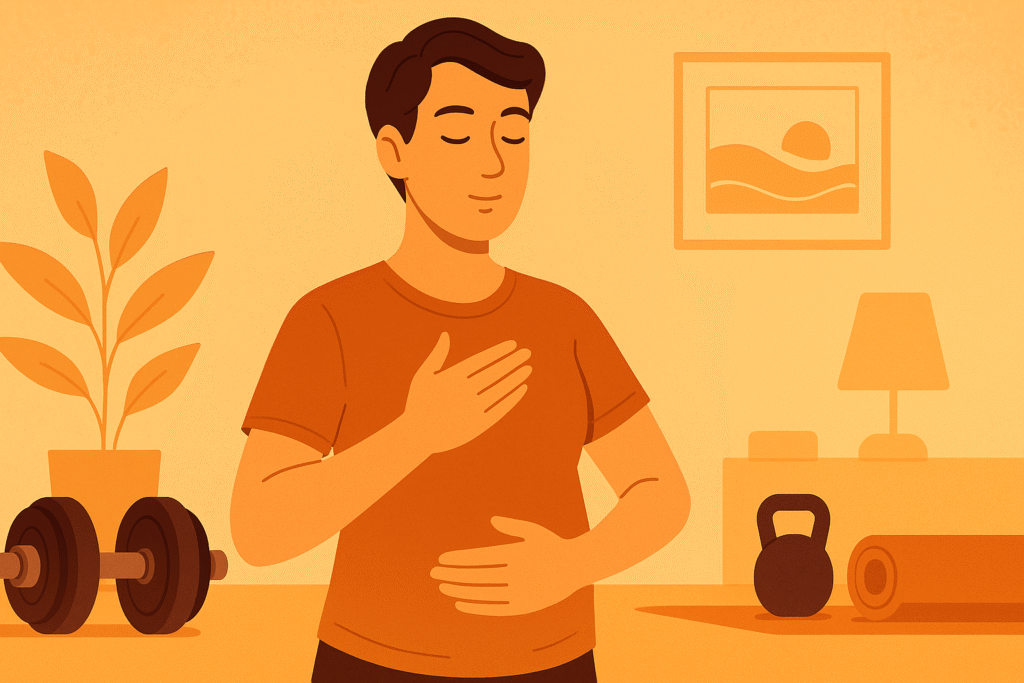
Deep breathing is one of the most accessible and effective immediate anxiety relief techniques. When anxiety strikes, your breathing often becomes shallow and rapid, which can worsen symptoms.
How to practice diaphragmatic breathing:
- Sit or lie down comfortably
- Place one hand on your chest, another on your belly
- Breathe in slowly through your nose for 4 counts
- Hold your breath for 4 counts
- Exhale slowly through your mouth for 6 counts
- Repeat for 5-10 minutes
This technique activates your parasympathetic nervous system, promoting relaxation and reducing anxiety symptoms within minutes.
2. The 5-4-3-2-1 Grounding Technique
This sensory grounding technique helps anchor you in the present moment when anxiety threatens to overwhelm you.
Steps to follow:
- 5 things you can see: Look around and name five objects in detail
- 4 things you can touch: Feel different textures around you
- 3 things you can hear: Listen for distinct sounds in your environment
- 2 things you can smell: Notice any scents present
- 1 thing you can taste: Focus on the taste in your mouth
This technique interrupts anxious thought patterns and brings your attention back to the present moment.
3. Progressive Muscle Relaxation
Progressive muscle relaxation involves systematically tensing and releasing different muscle groups to reduce physical tension associated with anxiety.
Basic technique:
- Start with your toes, tense the muscles for 5 seconds
- Release and notice the relaxation for 10 seconds
- Move up through your body: calves, thighs, abdomen, arms, shoulders, and face
- Focus on the contrast between tension and relaxation
Regular practice of this technique can help you recognize and release physical tension before it escalates into full anxiety.
Mindfulness and Present-Moment Strategies
4. Mindfulness Meditation
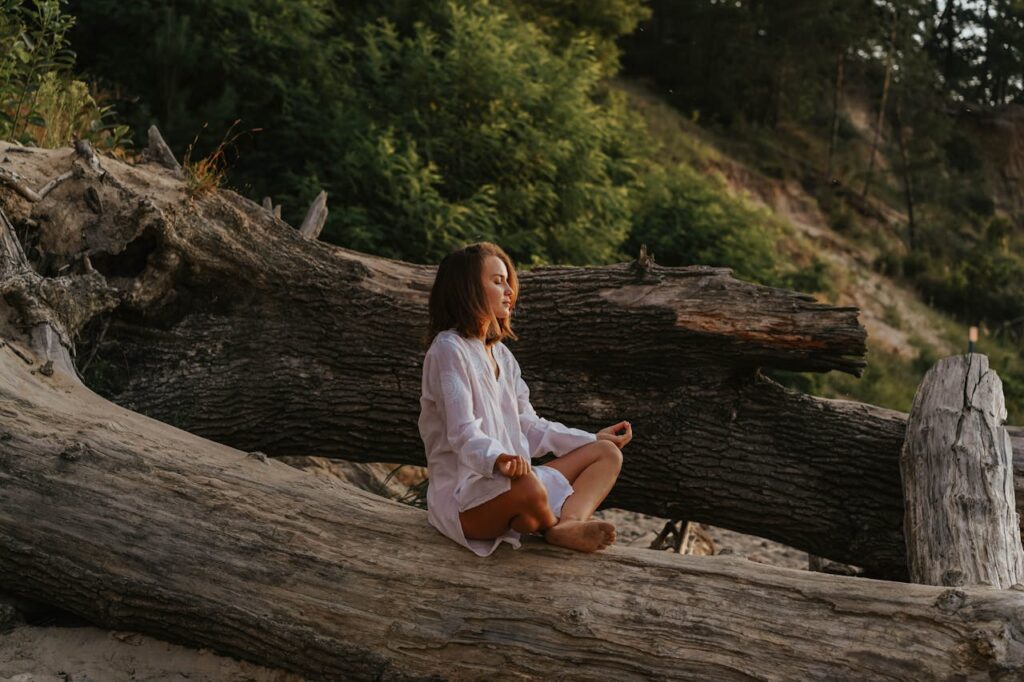
Mindfulness meditation teaches you to observe your thoughts and feelings without judgment, reducing their power over you.
Simple mindfulness practice:
- Find a quiet space and sit comfortably
- Focus on your breath without trying to change it
- When thoughts arise, acknowledge them and return focus to breathing
- Start with 5-10 minutes daily and gradually increase
Research shows that regular mindfulness practice can significantly reduce anxiety symptoms and improve overall mental well-being.
5. Body Scan Meditation
This technique involves systematically focusing attention on different parts of your body to increase awareness and promote relaxation.
How to practice:
- Lie down comfortably and close your eyes
- Start at the top of your head and slowly move attention down
- Notice any sensations, tension, or areas of comfort
- Spend 30 seconds to 1 minute on each body part
- Complete the scan from head to toes
Body scan meditation helps you develop a better relationship with physical sensations and reduces anxiety-related body tension.
6. Staying Present with Mindful Activities
Engaging in mindful activities can help break the cycle of anxious thoughts by focusing your attention on the present moment.
Effective mindful activities:
- Mindful walking: Focus on each step and your surroundings
- Mindful eating: Pay attention to flavors, textures, and sensations
- Mindful listening: Concentrate fully on music or nature sounds
- Mindful coloring or drawing: Focus on colors, patterns, and movements
Cognitive Strategies: Changing Your Thought Patterns
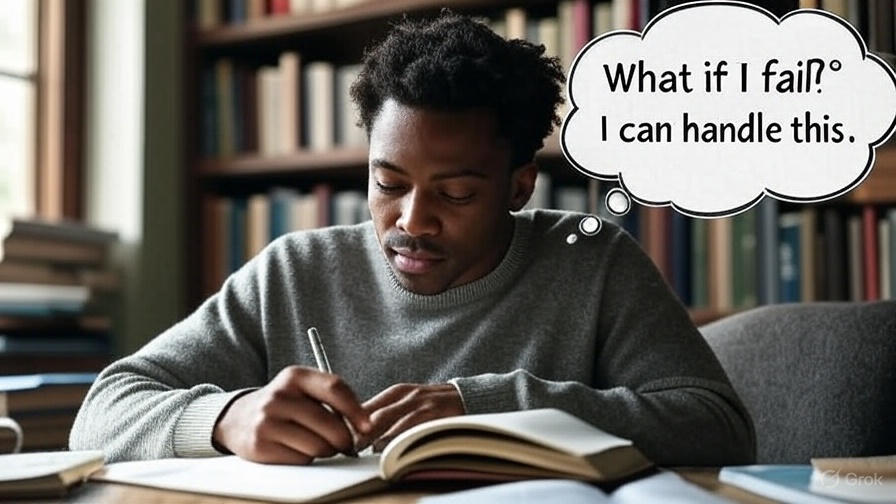
7. Challenge Negative Self-Talk
Anxiety often involves catastrophic thinking and negative self-talk. Learning to identify and challenge these thoughts is crucial for long-term anxiety management.
Steps to challenge anxious thoughts:
- Identify the anxious thought
- Ask: “Is this thought realistic or helpful?”
- Look for evidence for and against the thought
- Develop a more balanced, realistic perspective
- Practice the new thought pattern regularly
8. Cognitive Restructuring Techniques
Cognitive restructuring involves replacing irrational or unhelpful thoughts with more realistic and balanced ones.
Common cognitive distortions to watch for:
- All-or-nothing thinking
- Catastrophizing
- Mind reading
- Fortune telling
- Personalization
By recognizing these patterns, you can begin to develop more balanced thinking habits that reduce anxiety.
9. Worry Time Scheduling
Instead of worrying throughout the day, designate a specific “worry time” to address your concerns constructively.
How to implement worry time:
- Set aside 15-20 minutes daily for worrying
- Write down worries as they arise during the day
- During worry time, review your list and problem-solve where possible
- For worries you can’t control, practice acceptance techniques
This technique prevents worry from consuming your entire day while still acknowledging your concerns.
Lifestyle Modifications for Long-Term Anxiety Management
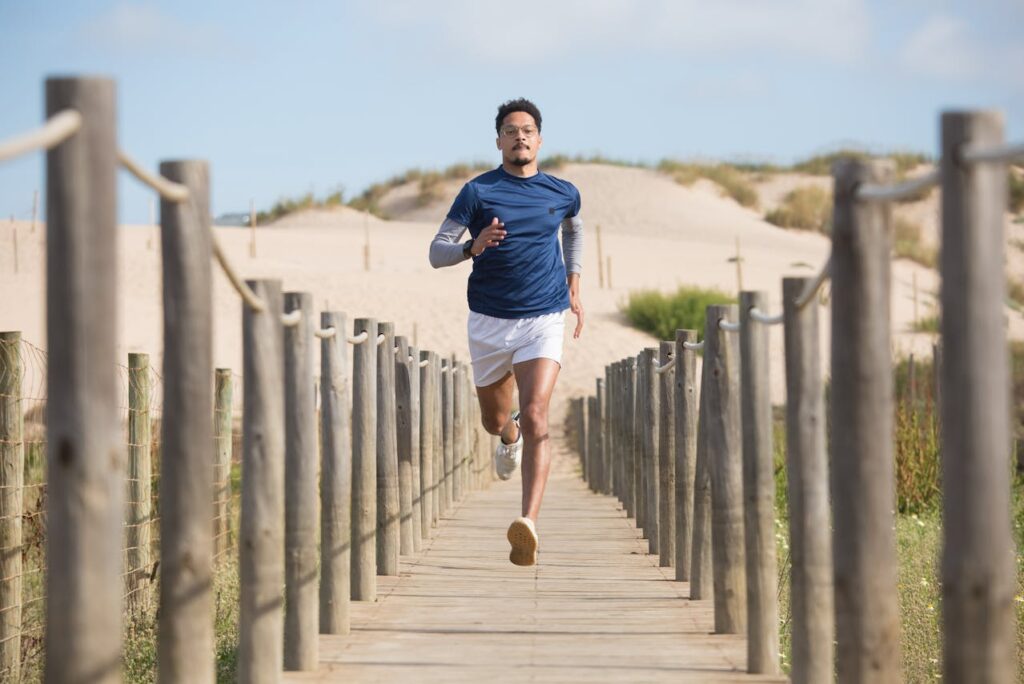
10. Regular Exercise and Physical Activity
Exercise is one of the most effective natural anxiety treatments, releasing endorphins and reducing stress hormones.
Best exercises for anxiety:
- Aerobic activities: Walking, jogging, swimming, cycling
- Yoga: Combines physical movement with mindfulness
- Strength training: Builds confidence and releases tension
- Dance or martial arts: Provides creative expression and focus
Aim for at least 30 minutes of moderate exercise most days of the week for optimal anxiety-reducing benefits.
11. Nutrition and Dietary Considerations
What you eat can significantly impact your anxiety levels. Certain foods can worsen anxiety, while others promote calm and stability.
Foods to limit:
- Caffeine and energy drinks
- Alcohol and recreational drugs
- Processed foods high in sugar
- Artificial additives and preservatives
Anxiety-reducing foods:
- Omega-3 rich fish (salmon, mackerel, sardines)
- Complex carbohydrates (whole grains, legumes)
- Magnesium-rich foods (leafy greens, nuts, seeds)
- Probiotic foods (yogurt, kefir, fermented vegetables)
12. Sleep Hygiene and Rest
Poor sleep can significantly worsen anxiety symptoms, while good sleep hygiene promotes emotional regulation and stress resilience.
Sleep hygiene tips:
- Maintain a consistent sleep schedule
- Create a relaxing bedtime routine
- Limit screen time before bed
- Keep your bedroom cool, dark, and quiet
- Avoid caffeine and large meals before bedtime
Building Resilience and Self-Compassion
13. Practice Self-Compassion
Self-compassion involves treating yourself with the same kindness you would offer a good friend, especially during difficult times.
Three components of self-compassion:
- Self-kindness: Be gentle with yourself instead of self-critical
- Common humanity: Recognize that struggle is part of the human experience
- Mindfulness: Observe your thoughts and feelings without over-identification
Research shows that self-compassion can significantly reduce anxiety and improve overall mental health.
14. Gradual Exposure and Small Acts of Bravery
Gradual exposure therapy involves slowly and systematically facing your fears in a controlled way to reduce anxiety over time.
How to practice gradual exposure:
- Identify specific anxiety triggers
- Create a hierarchy from least to most anxiety-provoking
- Start with the least threatening situation
- Practice relaxation techniques during exposure
- Gradually work up to more challenging situations
This technique helps build confidence and reduces the power of anxiety-provoking situations.
15. Social Connection and Support Systems
Strong social connections are crucial for mental health and can provide significant support during anxious periods.
Ways to build social support:
- Join support groups (online or in-person)
- Maintain regular contact with friends and family
- Participate in community activities or volunteer work
- Consider working with a therapist or counselor
- Connect with others who understand your experiences
Technology-Based Coping Tools and Modern Solutions
In today’s digital age, numerous apps and online resources can support your anxiety management efforts:
Helpful anxiety apps:
- Meditation apps (Headspace, Calm, Insight Timer)
- Breathing exercise apps (Breathe, Box Breathing)
- Mood tracking apps (Daylio, Mood Meter)
- CBT-based apps (MindShift, Sanvello)
Online resources:
- Virtual therapy platforms
- Online support communities
- Educational websites and courses
- Guided meditation videos and podcasts
When to Seek Professional Help
While self-help techniques are valuable, it’s important to recognize when professional help is needed. Consider seeking support from a mental health professional if:
- Anxiety significantly interferes with daily activities
- You experience panic attacks regularly
- You avoid important activities due to anxiety
- You use alcohol or drugs to cope with anxiety
- You have thoughts of self-harm
- Self-help techniques aren’t providing sufficient relief
Professional treatment options include:
- Cognitive Behavioral Therapy (CBT)
- Exposure and Response Prevention (ERP)
- Acceptance and Commitment Therapy (ACT)
- Medication when appropriate
- EMDR for trauma-related anxiety
Creating Your Personal Anxiety Management Plan
Effective anxiety management often involves combining multiple techniques tailored to your specific needs and preferences. Consider these steps for creating your personal plan:
- Assess your anxiety patterns: Keep a journal to identify triggers and symptoms
- Choose 3-5 techniques: Start with techniques that resonate with you
- Practice regularly: Consistency is key for building effective coping skills
- Monitor your progress: Track what works and adjust as needed
- Be patient: Building new coping skills takes time and practice
Conclusion: Taking Control of Your Anxiety
Managing anxiety effectively requires a comprehensive approach that combines immediate relief techniques with long-term lifestyle changes. The 15 strategies outlined in this guide provide a solid foundation for anxiety management, but remember that everyone’s experience with anxiety is unique.
Start by implementing one or two techniques that appeal to you most, and gradually build your toolkit over time. Be patient with yourself as you develop these new skills – managing anxiety is a journey, not a destination.
Remember that seeking professional help is a sign of strength, not weakness. If your anxiety continues to significantly impact your life despite trying these techniques, don’t hesitate to reach out to a mental health professional who can provide additional support and treatment options.
With consistent practice and the right combination of techniques, you can learn to manage your anxiety effectively and reclaim control over your life. Take the first step today by choosing one technique from this guide and committing to practice it regularly.
Frequently Asked Questions
Q: How long does it take for anxiety coping techniques to work?
A: Some techniques like deep breathing can provide immediate relief within minutes, while others like mindfulness meditation may take several weeks of regular practice to show significant benefits. Most people notice improvements within 2-4 weeks of consistent practice.
Q: Can I use multiple coping techniques at the same time?
A: Absolutely! In fact, combining techniques often provides better results. For example, you might use deep breathing for immediate relief while also practicing mindfulness meditation for long-term benefits.
Q: What should I do if a coping technique makes my anxiety worse?
A: If a technique increases your anxiety, stop using it and try a different approach. Some techniques may feel uncomfortable initially, but they shouldn’t significantly worsen your symptoms. Consider working with a therapist to find the most suitable techniques for your specific situation.
Q: Are these techniques effective for all types of anxiety disorders?
A: While these techniques can be helpful for various anxiety conditions, some disorders may require specialized treatment approaches. For specific anxiety disorders like OCD or PTSD, it’s important to work with a mental health professional who can provide targeted treatment.
Q: How do I know if I need professional help for my anxiety?
A: Consider seeking professional help if your anxiety significantly interferes with work, relationships, or daily activities, if you experience frequent panic attacks, or if self-help techniques aren’t providing sufficient relief after several weeks of consistent practice.