
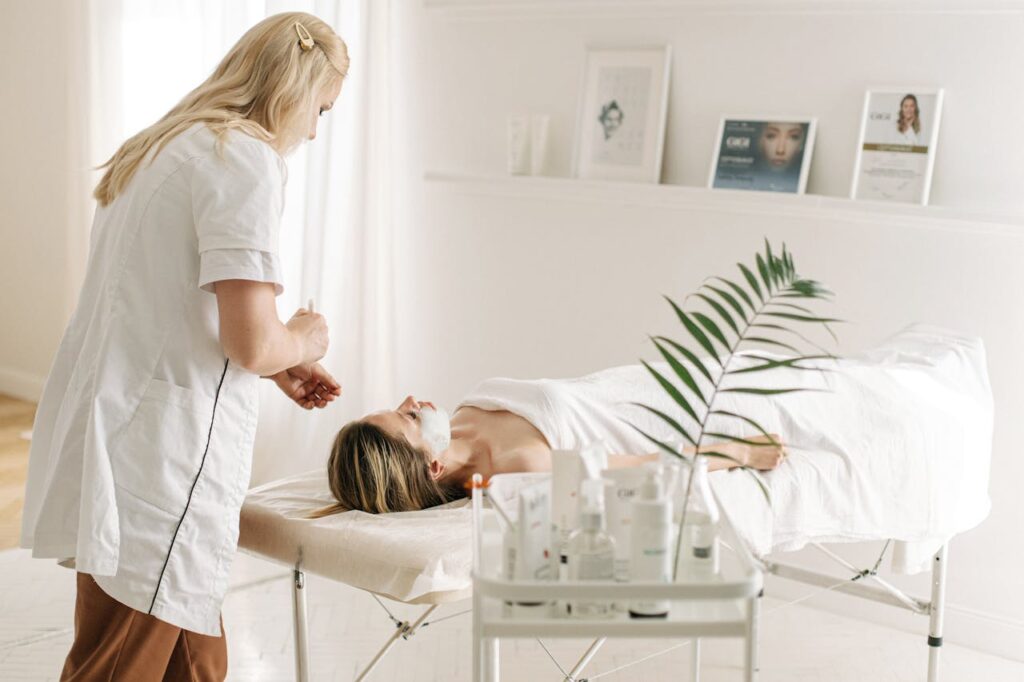
Menopause marks a significant transition in a woman’s life, bringing with it a cascade of hormonal changes that profoundly impact skin health. As estrogen levels decline, many women notice their skin becoming drier, thinner, and more prone to wrinkles and breakouts. The good news? Leading dermatologists have developed comprehensive strategies to help you navigate these changes and maintain healthy, radiant skin throughout menopause and beyond.
How Menopause Transforms Your Skin
The hormonal shifts during menopause create a perfect storm of skin changes that can feel overwhelming. Understanding what’s happening beneath the surface empowers you to take proactive steps in your skincare routine.
The Estrogen Connection
Estrogen plays a crucial role in maintaining skin health by stimulating collagen production, promoting skin thickness, and supporting the skin’s natural moisture barrier. As estrogen levels drop during perimenopause and menopause, several changes occur:
- Collagen production decreases by up to 30% in the first five years after menopause
- Skin becomes thinner and loses elasticity
- Natural oil production diminishes, leading to increased dryness
- The skin’s ability to retain moisture weakens significantly
Common Skin Changes During Menopause
Fine Lines and Wrinkles: Reduced collagen and elastin production accelerates the formation of fine lines, particularly around the eyes, mouth, and forehead.
Dryness and Sensitivity: Decreased sebum production and compromised skin barrier function result in persistent dryness and increased sensitivity to products and environmental factors.
Uneven Skin Tone: Hormonal fluctuations can trigger melasma and age spots, while decreased cell turnover leads to a dull complexion.
Adult Acne: Surprisingly, many women experience breakouts during menopause due to the relative increase in androgens as estrogen levels fall.
Managing Fine Lines and Wrinkles: Expert-Approved Strategies
Dermatologists emphasize that while you can’t stop the aging process, you can significantly slow it down with the right approach.
Retinoids: The Gold Standard
“Retinoids remain our most powerful tool for stimulating collagen production and improving skin texture,” explains Dr. Sarah Chen, a board-certified dermatologist. Start with over-the-counter retinol products and gradually increase strength as your skin adapts.
Application Tips:
- Begin with 2-3 times per week
- Always apply to clean, dry skin
- Use a pea-sized amount for the entire face
- Follow with a moisturizer to minimize irritation
Peptides for Gentle Anti-Aging
For those with sensitive skin, peptides offer a gentler alternative to retinoids while still promoting collagen synthesis. Look for products containing:
- Copper peptides
- Palmitoyl pentapeptide-4
- Acetyl hexapeptide-8
Professional Treatments
Consider these dermatologist-recommended procedures for more dramatic results:
- Chemical peels for improved texture and tone
- Microneedling to stimulate collagen production
- Laser treatments for deeper wrinkles and sun damage
Combating Dryness: Hydration Strategies That Work
Menopausal skin requires a more intensive approach to hydration than younger skin. The key is layering hydrating ingredients and strengthening the skin barrier.
Essential Hydrating Ingredients
Hyaluronic Acid: This powerhouse ingredient can hold up to 1,000 times its weight in water, making it ideal for plumping dehydrated skin.
Ceramides: These lipids help restore and maintain the skin barrier, preventing moisture loss and protecting against environmental damage.
Glycerin: A humectant that draws moisture from the environment into the skin, providing immediate hydration.
The Layering Technique
Apply products from thinnest to thickest consistency:
- Hydrating toner or essence
- Hyaluronic acid serum
- Moisturizer with ceramides
- Face oil (if needed for extra nourishment)
Addressing Menopausal Breakouts
Adult acne during menopause requires a delicate balance between treating breakouts and maintaining skin hydration.
Gentle Yet Effective Ingredients
Salicylic Acid: This beta-hydroxy acid penetrates pores to remove excess oil and dead skin cells without over-drying.
Niacinamide: Reduces inflammation, regulates oil production, and strengthens the skin barrier simultaneously.
Benzoyl Peroxide: Use sparingly and in lower concentrations (2.5%) to avoid excessive dryness.
What to Avoid
- Harsh scrubs that can damage the compromised skin barrier
- Alcohol-based toners that strip natural oils
- Over-cleansing, which can trigger increased oil production
Managing Discoloration and Uneven Skin Tone
Hormonal changes can exacerbate existing pigmentation issues and create new ones. A targeted approach is essential for evening out skin tone.
Brightening Powerhouses
Vitamin C: A potent antioxidant that inhibits melanin production and protects against environmental damage. Use in the morning under sunscreen.
Kojic Acid: Derived from fungi, this ingredient gently lightens dark spots without irritation.
Azelaic Acid: Particularly effective for both acne and pigmentation, making it ideal for menopausal skin concerns.
Sun Protection: Your Best Defense
“Sunscreen is the most important anti-aging product you can use,” emphasizes Dr. Maria Rodriguez, a dermatologist specializing in mature skin. Choose broad-spectrum SPF 30 or higher and reapply every two hours.
Your Complete Menopausal Skincare Routine
Morning Routine
- Gentle cleanser with ceramides or hyaluronic acid
- Vitamin C serum for antioxidant protection
- Hydrating moisturizer with SPF 30+
- Eye cream with peptides or retinol
Evening Routine
- Double cleanse if wearing makeup
- Treatment serum (retinol, niacinamide, or azelaic acid)
- Hydrating serum with hyaluronic acid
- Rich night moisturizer with ceramides
- Face oil for extra nourishment (optional)
Beyond Skincare: Holistic Approaches for Healthy Skin
Nutrition for Skin Health
Your diet plays a crucial role in skin health during menopause. Focus on:
- Omega-3 fatty acids from fish, walnuts, and flaxseeds to support skin barrier function
- Antioxidant-rich foods like berries, leafy greens, and colorful vegetables
- Adequate protein to support collagen production
- Plenty of water to maintain hydration from within
Stress Management and Sleep
Chronic stress and poor sleep can accelerate skin aging and worsen menopausal symptoms. Incorporate stress-reduction techniques like meditation, yoga, or regular exercise into your routine.
Hair Changes During Menopause
Don’t forget about hair health, which also suffers during menopause. Thinning hair, particularly along the part and crown, is common. Consider:
- Gentle, sulfate-free shampoos
- Scalp treatments with minoxidil
- Biotin and collagen supplements
- Professional treatments like PRP therapy
When to Consult a Dermatologist
While a good skincare routine can address many menopausal skin concerns, certain situations warrant professional intervention:
- Persistent acne that doesn’t respond to over-the-counter treatments
- Rapid changes in moles or new skin growths
- Severe dryness or irritation that interferes with daily life
- Significant hair loss or thinning
The Mental Health Connection
The skin changes that accompany menopause can significantly impact self-esteem and mental health. Remember that these changes are normal and treatable. Consider joining support groups or speaking with a counselor if skin changes are affecting your quality of life.
Frequently Asked Questions
Q: How long does it take to see results from a new skincare routine?
A: Most people notice initial improvements in hydration within 1-2 weeks, while changes in fine lines and texture typically take 6-12 weeks of consistent use.
Q: Can hormone replacement therapy help with skin changes?
A: HRT can help maintain skin thickness and moisture, but discuss the risks and benefits with your healthcare provider, as it’s not suitable for everyone.
Q: Are expensive skincare products always better?
A: Not necessarily. Many effective ingredients are available in drugstore products. Focus on proven ingredients rather than price tags.
Q: Should I avoid all fragrances in skincare products?
A: Menopausal skin is often more sensitive, so fragrance-free products are generally recommended to minimize irritation risk.
Your Journey to Healthy Menopausal Skin Starts Now
Navigating skin changes during menopause doesn’t have to be overwhelming. By understanding how hormonal changes affect your skin and implementing the expert-recommended strategies outlined above, you can maintain healthy, radiant skin throughout this transition and beyond.
Remember, consistency is key, and what works for one person may not work for another. Be patient with your skin, introduce new products gradually, and don’t hesitate to seek professional guidance when needed. Your skin has carried you through decades of life – with the right care, it can continue to look and feel its best for years to come.
Start implementing these dermatologist-approved tips today, and embrace this new chapter of your life with confidence and glowing skin.