
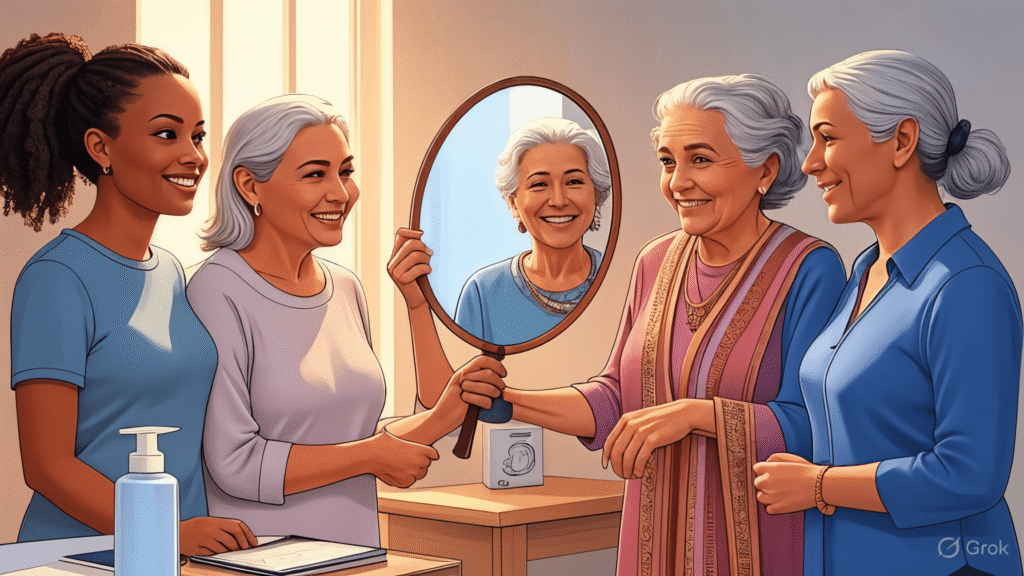
The mirror doesn’t lie, but it doesn’t tell the whole story either. As we age, changes in our facial appearance are inevitable—from the first fine lines around our eyes to deeper wrinkles, volume loss, and shifting skin texture. If you’re contemplating cosmetic procedures to address these signs of aging, you’re not alone. Millions of people explore anti-aging treatments each year, seeking to restore their youthful appearance and boost their confidence.
However, before scheduling that consultation or booking your first treatment, there are crucial steps you should take to ensure you make the best decision for your unique situation, goals, and well-being.
Understanding How Your Face Ages
The Science Behind Facial Aging
Facial aging is a complex process that affects multiple layers of your skin and underlying structures. Understanding what’s happening beneath the surface can help you make more informed decisions about potential treatments.
Key changes include:
- Collagen and elastin breakdown: These proteins provide skin structure and elasticity, but production decreases by about 1% per year after age 25
- Volume loss: Fat pads in the face shift and diminish, leading to hollowed cheeks and under-eye areas
- Bone remodeling: Facial bones actually change shape over time, affecting overall facial contours
- Muscle changes: Repeated facial expressions create dynamic wrinkles that eventually become static lines
Common Signs of Aging to Recognize
Before considering any intervention, it’s important to identify which specific aging concerns you want to address:
- Fine lines and wrinkles (crow’s feet, forehead lines, smile lines)
- Volume loss in cheeks, temples, and under-eye areas
- Skin texture changes including roughness, enlarged pores, and uneven tone
- Pigmentation issues such as age spots and sun damage
- Sagging skin around the jawline, neck, and brows
- Loss of facial definition and contour changes
Essential Self-Reflection Before Any Procedure
Know Your ‘Why’
The most critical step before pursuing any cosmetic procedure is honest self-reflection. Ask yourself these fundamental questions:
Why am I considering this procedure?
- Are you seeking to address a specific concern or trying to achieve an unrealistic standard?
- Is this decision coming from internal motivation or external pressure?
- Have you given yourself time to think about this decision without rushing?
Are my expectations realistic?
- Do you understand what the procedure can and cannot achieve?
- Have you seen realistic before-and-after photos, not just idealized results?
- Are you prepared for the possibility that you may need multiple sessions or touch-ups?
Am I prepared for potential complications?
- Every procedure carries risks, from minor side effects to serious complications
- Do you have realistic recovery expectations and time to heal properly?
- Have you researched the specific risks associated with your chosen procedure?
Emotional Readiness Assessment
Consider your emotional state and motivations:
- Are you going through a major life transition that might be influencing this decision?
- Do you have realistic expectations about how the procedure will impact your overall happiness?
- Have you addressed any underlying body image concerns with appropriate support?
Exploring Your Treatment Options
Non-Surgical Procedures
Injectables:
- Botox and neuromodulators: Temporarily relax muscles to reduce dynamic wrinkles
- Dermal fillers: Restore volume and smooth static lines using hyaluronic acid or other substances
- Fat grafting: Uses your own fat to restore volume naturally
Skin Resurfacing Treatments:
- Chemical peels: Remove damaged skin layers to improve texture and tone
- Laser treatments: Target specific concerns like pigmentation, wrinkles, or overall skin quality
- Radiofrequency and ultrasound: Stimulate collagen production for skin tightening
- Microneedling: Promotes natural collagen production through controlled micro-injuries
Surgical Options
For more significant aging concerns, surgical procedures may be appropriate:
- Facelift: Addresses sagging skin and deep wrinkles
- Eyelid surgery (blepharoplasty): Corrects drooping eyelids and under-eye bags
- Brow lift: Elevates sagging brows and reduces forehead wrinkles
- Neck lift: Tightens loose neck skin and improves jawline definition
Combination Approaches
Many practitioners now recommend combination therapies that address multiple aging concerns simultaneously. This might include:
- Botox for dynamic wrinkles plus fillers for volume loss
- Laser treatments combined with chemical peels for comprehensive skin rejuvenation
- Surgical procedures paired with non-surgical maintenance treatments
Alternative At-Home Approaches
Evidence-Based Skincare Options
Before considering procedures, maximize your at-home skincare routine:
Essential ingredients to consider:
- Retinoids: The gold standard for anti-aging, promoting cell turnover and collagen production
- Vitamin C: Powerful antioxidant that brightens skin and protects against environmental damage
- Sunscreen: Daily SPF 30+ is crucial for preventing further aging
- Peptides: Support collagen production and skin repair
- Alpha hydroxy acids (AHAs): Gently exfoliate and improve skin texture
Professional-Grade At-Home Devices
Consider these FDA-approved devices for home use:
- LED light therapy: Stimulates collagen production and reduces inflammation
- Microcurrent devices: Provide gentle muscle stimulation for facial toning
- At-home chemical peel systems: Offer professional-grade results with proper use
Choosing the Right Practitioner
Red Flags to Avoid
When selecting a provider, watch for these warning signs:
- Pressure to book immediately or “limited-time” offers
- Lack of proper credentials or board certification
- Unwillingness to discuss risks or complications
- Before-and-after photos that look too good to be true
- Facilities that don’t meet medical standards
Questions to Ask Your Provider
About their qualifications:
- Are you board-certified in plastic surgery, dermatology, or a related field?
- How many of these specific procedures have you performed?
- Can you provide references or patient testimonials?
About the procedure:
- What are the realistic outcomes I can expect?
- What are the potential risks and complications?
- What does the recovery process involve?
- How much will this cost, including any follow-up treatments?
Age-Specific Considerations
In Your 20s and 30s
- Focus on prevention with excellent skincare and sun protection
- Consider preventative Botox for dynamic wrinkles
- Address specific concerns like acne scarring or pigmentation
In Your 40s and 50s
- Combination approaches often work best
- Address volume loss with fillers while maintaining skin quality
- Consider more comprehensive treatments for multiple concerns
In Your 60s and Beyond
- Surgical options may provide more dramatic, long-lasting results
- Focus on safety and realistic expectations
- Consider overall health status when planning procedures
Managing Costs and Expectations
Financial Planning
Cosmetic procedures represent a significant investment:
- Research average costs in your area
- Factor in maintenance treatments and touch-ups
- Consider financing options if needed
- Remember that the cheapest option isn’t always the safest
Timeline Expectations
Immediate results: Some treatments like fillers show instant improvement
Gradual improvement: Procedures like laser treatments may take weeks or months to show full results
Long-term maintenance: Most treatments require ongoing maintenance to sustain results
Post-Procedure Care and Maintenance
Recovery Planning
Proper recovery is crucial for optimal results:
- Follow all post-procedure instructions carefully
- Plan for appropriate downtime
- Arrange for help during recovery if needed
- Protect your investment with proper aftercare
Long-Term Maintenance
Sustaining your results requires ongoing commitment:
- Maintain an excellent skincare routine
- Protect your skin from sun damage
- Consider periodic touch-up treatments
- Adopt healthy lifestyle habits that support skin health
When to Reconsider or Seek Alternatives
Signs You Should Wait
Consider postponing procedures if:
- You’re going through major life stress or changes
- You have unrealistic expectations about outcomes
- You’re not financially prepared for the full cost
- You haven’t researched your options thoroughly
Alternative Approaches to Consider
Lifestyle modifications:
- Regular exercise to improve circulation and skin health
- Stress management techniques
- Adequate sleep for skin repair and regeneration
- Nutritional support for healthy aging
Professional support:
- Therapy to address body image concerns
- Support groups for people navigating aging
- Consultation with multiple providers for different perspectives
Making Your Final Decision
Creating a Decision Framework
Use this systematic approach:
- Define your specific concerns and desired outcomes
- Research all available options thoroughly
- Consult with multiple qualified providers
- Consider the total investment including time, money, and recovery
- Evaluate your support system and readiness for the process
- Trust your instincts about providers and procedures
Taking Your Time
Remember that good cosmetic procedures will still be available next month or next year. Taking time to make a thoughtful decision often leads to better outcomes and greater satisfaction.
Frequently Asked Questions
Q: How do I know if I’m too young or too old for cosmetic procedures?
A: Age alone isn’t the determining factor. Your skin condition, health status, and realistic expectations matter more. Consult with qualified providers to assess your individual situation.
Q: Can I combine multiple procedures safely?
A: Many procedures can be safely combined, but this depends on your health, the specific treatments, and your provider’s expertise. Always discuss combination approaches with your practitioner.
Q: How long do results typically last?
A: Results vary widely depending on the procedure. Botox lasts 3-4 months, fillers 6-18 months, and surgical procedures can last 5-10 years or more with proper care.
Q: What should I do if I’m not happy with my results?
A: Communicate with your provider first, as some issues can be addressed with adjustments or additional treatments. If necessary, seek a second opinion from another qualified practitioner.
Q: Are there any procedures I should avoid?
A: Avoid any procedure performed by unqualified providers, in non-medical settings, or using non-FDA approved products. Research thoroughly and prioritize safety over cost savings.
Your Next Steps
Considering cosmetic procedures to address aging is a personal decision that deserves careful thought and planning. By taking the time to understand your motivations, research your options, and choose qualified providers, you’re setting yourself up for the best possible outcome.
Remember that the goal isn’t to stop aging entirely—it’s to age gracefully while feeling confident and comfortable in your own skin. Whether you ultimately choose procedures, enhanced skincare, lifestyle changes, or a combination approach, the most important thing is that your decision aligns with your values, goals, and well-being.
Take your time, do your research, and trust yourself to make the choice that’s right for you. Your future self will thank you for the thoughtful consideration you put into this important decision.