

Mental energy is the fuel that powers your cognitive engine, enabling you to think clearly, make decisions, and tackle complex tasks with focus and determination. Unlike physical energy, mental energy involves your brain’s capacity to process information, maintain attention, and engage in higher-order thinking. Understanding how to optimize and sustain this precious resource can dramatically improve your productivity, creativity, and overall quality of life.
Your brain, despite representing only 2% of your body weight, consumes approximately 20-25% of your total metabolic energy. This remarkable energy demand underscores the importance of maintaining optimal mental energy levels throughout your day. When mental energy runs low, you experience brain fog, difficulty concentrating, and reduced cognitive performance.
Understanding Mental Energy and Its Components
Mental energy encompasses three critical components that work together to determine your cognitive capacity:
Cognitive Function
This includes your ability to plan, make decisions, pay attention, and process complex information. When cognitive function is optimized, you can tackle challenging tasks with clarity and efficiency.
Mood State
Your emotional well-being directly impacts mental energy. Positive emotions enhance cognitive performance, while persistent negative emotions can drain your mental resources and impair decision-making abilities.
Motivation
The drive to engage in mental tasks and pursue goals is a crucial component of mental energy. When motivation is high, even challenging cognitive work feels manageable and rewarding.
8 Evidence-Based Tips to Boost Mental Energy
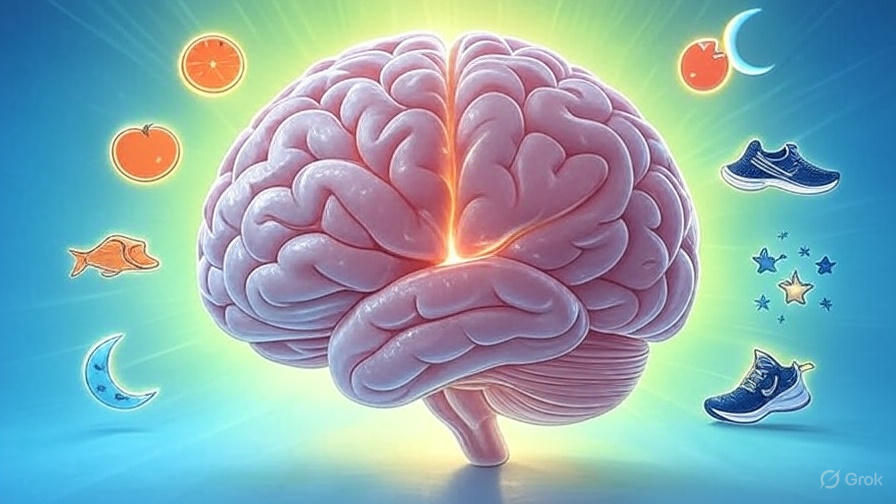
1. Optimize Your Nutrition for Brain Health
Your brain requires specific nutrients to function at peak capacity. The foods you eat directly impact neurotransmitter production, inflammation levels, and overall cognitive performance.
Brain-Boosting Foods:
- Fatty fish rich in omega-3 fatty acids (salmon, mackerel, sardines)
- Leafy greens packed with folate and antioxidants (spinach, kale, arugula)
- Berries containing flavonoids that enhance memory (blueberries, strawberries)
- Nuts and seeds providing healthy fats and vitamin E (walnuts, almonds, pumpkin seeds)
- Whole grains offering sustained glucose for brain energy (quinoa, oats, brown rice)
Essential Supplements:
- B-complex vitamins support neurotransmitter synthesis
- Vitamin D influences mood and cognitive function
- Magnesium helps regulate stress hormones
- Omega-3 fatty acids reduce inflammation and support brain structure
2. Harness the Power of Strategic Movement
Exercise is one of the most powerful tools for boosting mental energy. Physical activity increases blood flow to the brain, stimulates the production of brain-derived neurotrophic factor (BDNF), and enhances the release of mood-boosting neurotransmitters like dopamine and serotonin.
Immediate Energy Boosters:
- Take a 10-15 minute walk during mental fatigue
- Perform desk stretches or yoga poses
- Try high-intensity interval training (HIIT) for 5-10 minutes
- Practice deep breathing exercises combined with gentle movement
Long-term Benefits:
Regular exercise improves sleep quality, reduces stress hormones, and builds cognitive resilience. Aim for at least 150 minutes of moderate-intensity exercise per week, incorporating both cardiovascular and strength training activities.
3. Master Your Sleep Architecture

Quality sleep is non-negotiable for optimal mental energy. During sleep, your brain consolidates memories, clears metabolic waste, and restores neurotransmitter balance.
Sleep Optimization Strategies:
- Maintain a consistent sleep schedule, even on weekends
- Create a cool, dark, and quiet sleep environment
- Limit screen exposure 1-2 hours before bedtime
- Avoid caffeine after 2 PM to prevent sleep disruption
- Consider sleep restriction therapy if you struggle with insomnia
Sleep Hygiene Essentials:
- Invest in blackout curtains or an eye mask
- Use white noise or earplugs to minimize disturbances
- Keep your bedroom temperature between 65-68°F (18-20°C)
- Reserve your bed exclusively for sleep and intimacy
4. Implement Advanced Stress Management Techniques
Chronic stress is one of the most significant drains on mental energy. When your body is in a constant state of stress response, it diverts energy away from cognitive functions to deal with perceived threats.
Stress Reduction Methods:
- Mindfulness meditation: Practice 10-20 minutes daily to reduce cortisol levels
- Progressive muscle relaxation: Systematically tense and release muscle groups
- Cognitive reframing: Challenge negative thought patterns and develop more balanced perspectives
- Time blocking: Organize your schedule to reduce decision fatigue and overwhelm
Workplace Stress Management:
- Set clear boundaries between work and personal time
- Practice the “two-minute rule” for small tasks
- Use the Pomodoro Technique to maintain focus and prevent burnout
- Delegate tasks when possible to reduce cognitive load
5. Optimize Your Caffeine Strategy
Caffeine can be a powerful ally for mental energy when used strategically. However, timing and dosage are crucial to maximize benefits while avoiding negative side effects.
Strategic Caffeine Use:
- Consume caffeine 30-60 minutes after waking to avoid interfering with natural cortisol rhythms
- Limit intake to 400mg per day (approximately 4 cups of coffee)
- Avoid caffeine after 2 PM to prevent sleep disruption
- Consider L-theanine supplementation to reduce caffeine jitters while maintaining alertness
Alternative Energy Sources:
- Green tea provides sustained energy with less crash potential
- Matcha offers a more gradual caffeine release
- Yerba mate combines caffeine with beneficial antioxidants
6. Create an Energy-Optimized Environment
Your physical environment significantly impacts mental energy levels. Small changes to your workspace and living areas can yield substantial improvements in cognitive performance.
Environmental Optimization:
- Natural light exposure: Position your workspace near windows or use full-spectrum lighting
- Temperature control: Maintain comfortable temperatures (68-72°F) for optimal cognitive function
- Noise management: Use noise-canceling headphones or background music to minimize distractions
- Clutter reduction: Organize your space to reduce visual distractions and mental load
Technology and Mental Energy:
- Use blue light filters on devices, especially in the evening
- Implement digital detox periods throughout the day
- Organize digital files and emails to reduce cognitive overhead
- Consider using productivity apps that block distracting websites during focused work sessions
7. Practice Mental Contrasting and Goal Setting
Mental contrasting is a powerful technique that involves visualizing your desired outcome while also considering potential obstacles. This approach helps conserve mental energy by creating clear action plans and reducing decision fatigue.
Mental Contrasting Process:
- Wish: Clearly define your desired outcome
- Outcome: Visualize the positive results of achieving your goal
- Obstacle: Identify potential challenges or barriers
- Plan: Develop specific if-then strategies to overcome obstacles
Energy Conservation Strategies:
- Batch similar tasks together to reduce context switching
- Create templates and systems for recurring decisions
- Use the “satisficing” principle: aim for “good enough” rather than perfect when appropriate
- Prioritize high-impact activities during your peak energy hours
8. Maintain Optimal Hydration and Electrolyte Balance

Even mild dehydration can significantly impact cognitive performance, mood, and mental energy. Your brain is approximately 75% water, making proper hydration essential for optimal function.
Hydration Guidelines:
- Aim for 8-10 glasses of water daily, adjusting for activity level and climate
- Monitor urine color as a hydration indicator (pale yellow is optimal)
- Include electrolyte-rich foods or supplements during intense physical or mental activity
- Limit alcohol consumption, as it can disrupt sleep and dehydrate the body
Hydration Timing:
- Start your day with a large glass of water to rehydrate after sleep
- Sip water consistently throughout the day rather than drinking large amounts at once
- Increase intake during periods of high stress or intense mental work
Age-Specific Considerations for Mental Energy
Young Adults (20s-30s)
Focus on establishing healthy habits, managing work-life balance, and building stress resilience. This age group often benefits from structured routines and time management strategies.
Middle Age (40s-50s)
Prioritize hormone optimization, stress management, and maintaining physical activity. Consider regular health screenings to address potential underlying issues affecting energy levels.
Older Adults (60+)
Emphasize social connections, cognitive stimulation, and maintaining physical independence. Regular medical check-ups become increasingly important for identifying and addressing age-related factors affecting mental energy.
Seasonal and Circadian Rhythm Optimization
Your mental energy naturally fluctuates throughout the day and across seasons. Understanding these patterns can help you optimize your schedule and energy management strategies.
Daily Energy Patterns:
- Morning: Typically highest cognitive performance for most people
- Mid-afternoon: Natural energy dip occurs around 2-3 PM
- Evening: Secondary peak may occur around 6-8 PM
Seasonal Considerations:
- Winter: Consider light therapy and vitamin D supplementation
- Summer: Maintain consistent sleep schedules despite longer daylight hours
- Transitions: Be patient with your body as it adjusts to seasonal changes

Creating Your Personal Mental Energy Action Plan
Implementing all these strategies at once can be overwhelming. Instead, focus on gradual implementation:
- Week 1-2: Optimize sleep hygiene and hydration
- Week 3-4: Implement strategic movement and stress management
- Week 5-6: Fine-tune nutrition and caffeine strategy
- Week 7-8: Optimize environment and practice mental contrasting
Track your energy levels, mood, and cognitive performance throughout this process to identify which strategies provide the greatest benefit for your unique situation.
Frequently Asked Questions
Q: How long does it take to see improvements in mental energy?
A: Some strategies like hydration and movement can provide immediate benefits, while others like sleep optimization and nutrition changes may take 2-4 weeks to show significant effects.
Q: Can supplements replace a healthy diet for mental energy?
A: While supplements can be helpful, they work best when combined with a nutrient-rich diet. Whole foods provide synergistic compounds that supplements alone cannot replicate.
Q: Is it normal for mental energy to fluctuate throughout the day?
A: Yes, natural circadian rhythms cause energy levels to rise and fall predictably. The key is working with these patterns rather than against them.
Q: How do I know if my low mental energy is due to a medical condition?
A: If you consistently experience severe fatigue, brain fog, or cognitive difficulties despite implementing these strategies, consult with a healthcare provider to rule out underlying conditions.
Take Action: Your Mental Energy Transformation Starts Today
Mental energy is not a fixed resource—it’s a dynamic capacity that you can develop and optimize through consistent, evidence-based practices. Start by choosing one or two strategies that resonate most with your current situation and lifestyle. Remember, small, consistent changes often yield more sustainable results than dramatic overhauls.
Your cognitive performance, creativity, and overall life satisfaction depend on maintaining optimal mental energy. By implementing these eight science-backed strategies, you’re investing in your most valuable asset: your mind’s ability to think, create, and thrive in an increasingly demanding world.
Begin your mental energy transformation today. Your future self will thank you for the clarity, focus, and cognitive vitality that comes from taking control of this essential aspect of your well-being.