

Depression affects over 280 million people worldwide, yet misconceptions about antidepressant medications continue to prevent many from seeking effective treatment. Despite decades of research and millions of success stories, myths surrounding these life-saving medications persist, often fueled by stigma, misinformation, and well-meaning but misguided advice.
Understanding the truth about antidepressants is crucial for making informed decisions about mental health treatment. This comprehensive guide addresses the most common misconceptions, provides evidence-based facts, and empowers you with the knowledge needed to navigate depression treatment confidently.
Misconception #1: Antidepressants Are Addictive and Create Dependency
The Reality About Addiction vs. Physical Dependence
One of the most pervasive myths is that antidepressants are addictive. This misconception stems from confusion between addiction and physical dependence—two fundamentally different concepts.
Addiction involves:
- Compulsive drug-seeking behavior
- Inability to control use despite harmful consequences
- Cravings and euphoric effects
- Tolerance requiring increasing doses for the same effect
Physical dependence with antidepressants involves:
- Gradual adaptation of brain chemistry
- Potential discontinuation syndrome when stopped abruptly
- No cravings or compulsive behavior
- No euphoric “high” or abuse potential
Understanding Discontinuation Syndrome
When antidepressants are stopped suddenly, some people experience discontinuation syndrome, which includes symptoms like:
- Dizziness and brain “zaps”
- Flu-like symptoms
- Mood changes
- Sleep disturbances
These symptoms are temporary and can be minimized through gradual tapering under medical supervision. Unlike addiction withdrawal, discontinuation syndrome doesn’t involve cravings or the compulsive need to resume medication.
The Science Behind Safety
Research consistently shows that antidepressants have no abuse potential. The Drug Enforcement Administration (DEA) doesn’t classify them as controlled substances because they don’t produce euphoria or lead to compulsive use patterns seen with addictive drugs.
Misconception #2: Antidepressants Change Your Personality or Create Artificial Happiness

Restoring Balance, Not Creating False Emotions
Many people fear that antidepressants will fundamentally alter who they are or create an artificial sense of happiness. This misconception often prevents individuals from seeking treatment, worried they’ll lose their authentic self.
The truth is that effective antidepressant treatment:
- Reduces depression symptoms without changing core personality traits
- Restores emotional balance rather than creating artificial emotions
- Allows your true personality to emerge from beneath depression’s weight
- Helps you feel like yourself again, not like a different person
Addressing Emotional Blunting Concerns
Some individuals do experience emotional blunting—a reduction in the intensity of both positive and negative emotions. However, this side effect:
- Affects only a subset of users
- Often improves with dosage adjustments or medication changes
- Can be managed through open communication with healthcare providers
- Doesn’t represent personality change but rather a medication side effect
The Neuroplasticity Factor
Modern research reveals that antidepressants work by promoting neuroplasticity—the brain’s ability to form new neural connections. This process:
- Helps restore healthy thought patterns
- Improves emotional regulation
- Enhances cognitive flexibility
- Supports long-term recovery beyond symptom relief
Misconception #3: Taking Antidepressants Means You’re Weak or Can’t Cope
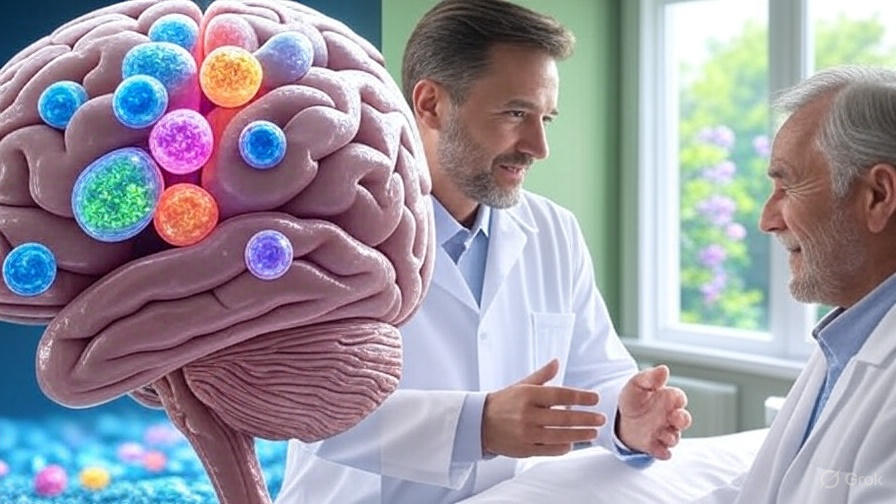
Challenging the Stigma of Mental Health Treatment
Perhaps no misconception is more harmful than the belief that needing antidepressants indicates personal weakness or failure. This stigma, sometimes called “pharmacological Calvinism,” suggests that overcoming depression through willpower alone is somehow more virtuous than using medication.
Depression as a Medical Condition
Depression is a legitimate medical condition involving:
- Altered brain chemistry and structure
- Genetic predisposition factors
- Neuroinflammatory processes
- Disrupted neurotransmitter systems
Just as we wouldn’t expect someone to overcome diabetes through willpower alone, depression often requires medical intervention alongside other treatment approaches.
The Strength in Seeking Help
Recognizing the need for treatment and taking action demonstrates:
- Self-awareness and emotional intelligence
- Courage to challenge stigma
- Commitment to recovery and well-being
- Responsibility for one’s mental health
Breaking the Broken Leg Analogy
Mental health professionals often compare depression treatment to healing a broken leg. You wouldn’t refuse a cast or crutches because they’re “unnatural”—you’d use the tools available to heal properly. Antidepressants serve as temporary or long-term support while your brain heals and develops healthier patterns.
Misconception #4: Antidepressants Only Increase Serotonin Levels

Beyond the Serotonin Hypothesis
The oversimplified “chemical imbalance” theory suggests that depression results solely from low serotonin levels, and antidepressants simply boost serotonin. While this explanation helped reduce stigma, it’s scientifically incomplete.
The Complex Reality of Antidepressant Action
Modern antidepressants work through multiple mechanisms:
- Neurotransmitter modulation: Affecting serotonin, norepinephrine, and dopamine systems
- Neurogenesis promotion: Stimulating growth of new brain cells
- Synaptic plasticity enhancement: Improving communication between neurons
- Inflammatory response reduction: Addressing neuroinflammation linked to depression
- Stress response regulation: Modulating the hypothalamic-pituitary-adrenal axis
Different Medication Classes, Different Mechanisms
Various antidepressant types work differently:
- SSRIs: Primarily affect serotonin reuptake
- SNRIs: Target both serotonin and norepinephrine
- NDRIs: Focus on norepinephrine and dopamine
- Atypical antidepressants: Use unique mechanisms like histamine or melatonin receptor modulation
- MAOIs: Inhibit monoamine oxidase enzymes
This diversity allows healthcare providers to tailor treatment to individual needs and symptom profiles.
Misconception #5: Everyone Experiences the Same Side Effects and Treatment Timeline
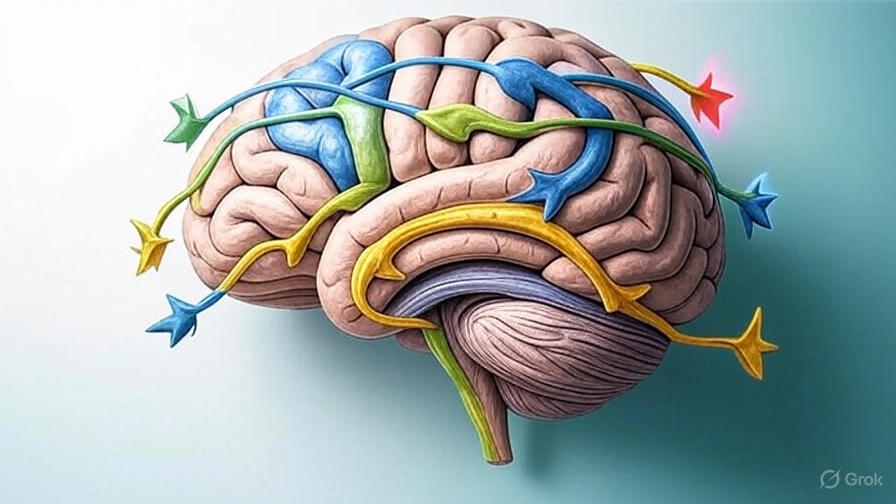
The Reality of Individual Variation
One of the most frustrating aspects of antidepressant treatment is the assumption that everyone will have identical experiences. This misconception leads to unrealistic expectations and premature treatment discontinuation.
Factors Affecting Individual Response
Multiple factors influence how someone responds to antidepressants:
- Genetic variations: Affecting drug metabolism and receptor sensitivity
- Age and gender: Influencing absorption, distribution, and elimination
- Concurrent medications: Creating potential interactions
- Medical conditions: Affecting drug processing and effectiveness
- Lifestyle factors: Including diet, exercise, and sleep patterns
- Depression severity and subtype: Requiring different treatment approaches
Timeline Expectations vs. Reality
Common timeline misconceptions include:
- Myth: Antidepressants work immediately
- Reality: Most require 4-8 weeks for full therapeutic effect
- Myth: If one doesn’t work, none will
- Reality: Finding the right medication often requires trying several options
- Myth: Side effects are permanent
- Reality: Many side effects diminish within 2-4 weeks
The Importance of Personalized Treatment
Effective depression treatment requires:
- Regular monitoring and communication with healthcare providers
- Patience during the adjustment period
- Willingness to try different medications or dosages
- Consideration of combination therapies
- Integration with psychotherapy and lifestyle modifications
Addressing Treatment Gaps: What the Research Shows
Pediatric and Adolescent Considerations
While most discussions focus on adult treatment, adolescent depression requires special consideration:
- FDA black box warnings about increased suicidal thoughts in young people
- Need for closer monitoring during initial treatment phases
- Different risk-benefit calculations for various age groups
- Importance of family involvement in treatment decisions
Cost and Accessibility Factors
Financial barriers often prevent optimal treatment:
- Generic options available for most antidepressant classes
- Insurance coverage variations and prior authorization requirements
- Patient assistance programs offered by pharmaceutical companies
- Community mental health resources for uninsured individuals
Drug Interactions and Contraindications
Important safety considerations include:
- Interactions with blood thinners, certain pain medications, and other psychiatric drugs
- Contraindications in specific medical conditions
- Importance of comprehensive medication reviews
- Need for gradual transitions between different antidepressants
Finding the Right Healthcare Provider
Qualities to Look For
When seeking depression treatment, consider providers who:
- Stay current with latest research and treatment guidelines
- Take time to explain treatment options thoroughly
- Respect your concerns and preferences
- Monitor progress regularly and adjust treatment as needed
- Coordinate care with other healthcare providers
Types of Mental Health Professionals
Different professionals can prescribe and manage antidepressants:
- Psychiatrists: Medical doctors specializing in mental health
- Primary care physicians: Often first point of contact for depression treatment
- Psychiatric nurse practitioners: Advanced practice nurses with prescribing authority
- Physician assistants: Working under physician supervision in mental health settings
Complementary Treatment Approaches
The Power of Combined Treatment
Research consistently shows that combining medication with other interventions produces the best outcomes:
- Psychotherapy: Cognitive-behavioral therapy, interpersonal therapy, and other evidence-based approaches
- Lifestyle modifications: Regular exercise, adequate sleep, and stress management
- Nutritional support: Addressing deficiencies that may contribute to depression
- Social support: Building strong relationships and community connections
Alternative and Integrative Options
Some individuals benefit from complementary approaches:
- Mindfulness-based interventions
- Acupuncture and massage therapy
- Light therapy for seasonal depression
- Omega-3 fatty acid supplementation
- Herbal supplements (with medical supervision)
The Importance of Accurate Information
Combating Misinformation
In our digital age, misinformation about antidepressants spreads rapidly through:
- Social media echo chambers
- Unqualified online “experts”
- Sensationalized media coverage
- Well-meaning but uninformed friends and family
Reliable Information Sources
When researching antidepressants, consult:
- Peer-reviewed medical journals
- Professional medical organizations
- Government health agencies (FDA, NIH, CDC)
- Qualified healthcare providers
- Reputable medical institutions and universities
Taking Action: Your Next Steps
If you’re considering antidepressant treatment or have concerns about current medication:
- Schedule a comprehensive evaluation with a qualified healthcare provider
- Prepare questions about treatment options, timelines, and potential side effects
- Discuss your concerns openly, including any misconceptions you may have
- Consider therapy as a complement to medication
- Build a support system of understanding friends, family, or support groups
- Be patient with the treatment process and communicate regularly with your provider
Frequently Asked Questions
How long do I need to take antidepressants?
Treatment duration varies significantly based on individual factors. Some people benefit from short-term treatment (6-12 months), while others require longer-term maintenance therapy. The decision should be made collaboratively with your healthcare provider based on your response to treatment, history of depression episodes, and personal circumstances.
Can I stop taking antidepressants if I feel better?
Never stop antidepressants abruptly or without medical supervision. Even if you feel better, your brain may still be healing and adjusting. Your healthcare provider can help you determine the right time to consider tapering and will guide you through a gradual reduction process if appropriate.
What should I do if I experience side effects?
Contact your healthcare provider to discuss any concerning side effects. Many side effects are temporary and improve within a few weeks, but some may require dosage adjustments or medication changes. Never suffer in silence—open communication is key to successful treatment.
Are there natural alternatives to antidepressants?
While some natural approaches like exercise, therapy, and certain supplements can help with mild depression, moderate to severe depression often requires professional treatment. Natural approaches work best as complements to, not replacements for, evidence-based treatments.
How do I know if antidepressants are working?
Signs of improvement may include better sleep, increased energy, improved appetite, enhanced concentration, and gradual mood improvement. Keep a mood journal and maintain regular contact with your healthcare provider to track progress objectively.
Conclusion: Empowering Informed Decisions
Understanding the truth about antidepressants empowers you to make informed decisions about your mental health. These medications, when used appropriately under professional guidance, have helped millions of people reclaim their lives from depression.
Remember that seeking treatment for depression—whether through medication, therapy, or both—is a sign of strength, not weakness. You deserve to feel better, and effective treatments are available.
If you’re struggling with depression, don’t let misconceptions prevent you from getting the help you need. Reach out to a qualified healthcare provider today to discuss your options and begin your journey toward recovery. Your mental health matters, and with accurate information and proper support, you can overcome depression and thrive.
If you’re experiencing thoughts of self-harm or suicide, please contact the 988 Suicide & Crisis Lifeline (call or text 988) or go to your nearest emergency room immediately. Help is available, and you don’t have to face this alone.