

The holiday season brings joy, celebration, and unfortunately for many, unwanted weight gain. While research shows the average American gains only 1-2 pounds during the holidays, this seemingly small amount often becomes permanent, contributing to gradual weight accumulation over the years. The good news? You can enjoy the festivities while maintaining your health goals with the right strategies.
Understanding Holiday Weight Gain: The Real Statistics
Before diving into solutions, it’s important to understand what we’re dealing with. Studies reveal that holiday weight gain isn’t as dramatic as many believe, but its persistence is the real problem. Most people never lose those extra pounds gained between Thanksgiving and New Year’s, leading to a cumulative effect that can significantly impact long-term health.
The holiday weight gain phenomenon is linked to several factors:
- Disrupted eating schedules and meal timing
- Increased alcohol consumption
- Reduced physical activity due to weather and schedule changes
- Emotional eating triggered by stress or family dynamics
- Social pressure to indulge at gatherings
12 Proven Strategies to Overcome Holiday Weight Gain
1. Master the Art of Strategic Meal Timing
Don’t skip meals to “save calories” for holiday dinners. This common mistake often backfires, leading to overeating and poor food choices. Instead, maintain your regular eating schedule and eat a small, protein-rich snack before attending holiday gatherings.
The protein preload technique: Consume 15-20 grams of protein 30 minutes before a holiday meal. This helps regulate appetite hormones and naturally reduces overall calorie intake during the main event.
2. Implement the Strategic Food Ordering System
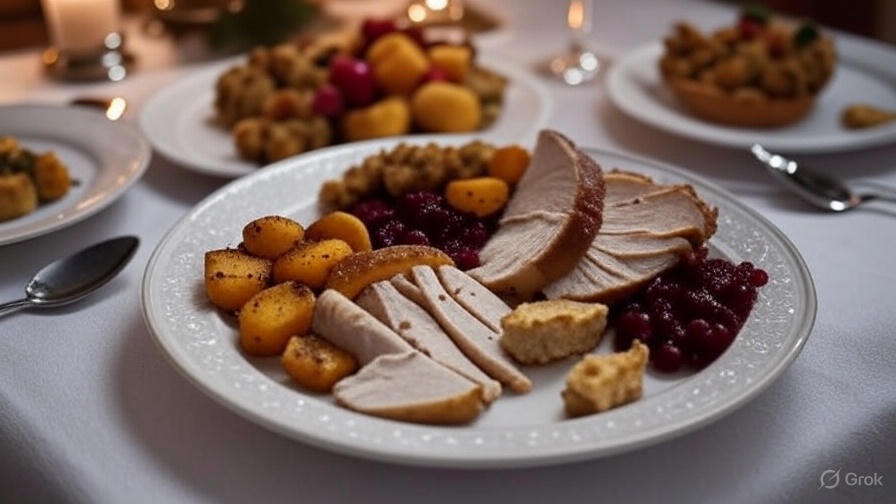
When filling your plate at holiday gatherings, follow this scientifically-backed sequence:
- First: Fill half your plate with fiber-rich vegetables and salads
- Second: Add lean proteins (turkey, ham, fish)
- Third: Include small portions of carbohydrate-rich sides and starches
- Last: Save a small space for dessert or special treats
This approach leverages the natural satiety effects of fiber and protein, helping you feel satisfied with smaller portions of higher-calorie foods.
3. Practice Advanced Portion Control Techniques
Beyond using smaller plates, try these expert-recommended portion control strategies:
The hand method:
- Palm-sized portion of protein
- Fist-sized portion of vegetables
- Cupped-hand portion of carbohydrates
- Thumb-sized portion of fats
The pause technique: After finishing your first serving, wait 20 minutes before deciding if you want seconds. This allows your brain to register fullness signals.
4. Navigate Holiday Beverages Strategically
Holiday drinks can be calorie bombs in disguise. A single eggnog can contain 350+ calories, while mulled wine adds 200+ calories per cup.
Smart beverage strategies:
- Alternate alcoholic drinks with water or sparkling water with lime
- Choose wine or spirits with low-calorie mixers over creamy cocktails
- Limit alcohol to 1-2 drinks per event to avoid lowered inhibitions around food
- Try festive mocktails made with sparkling water, fresh fruit, and herbs
5. Maintain Your Exercise Routine with Holiday Modifications

Don’t abandon your fitness routine during the holidays. Instead, adapt it to your schedule:
Morning movement priority: Exercise early in the day before holiday events. This boosts metabolism, improves mood, and creates a positive mindset for making better food choices throughout the day.
Micro-workouts: When time is limited, try 10-15 minute high-intensity sessions. Even brief exercise can help regulate blood sugar and improve insulin sensitivity.
Family fitness activities: Suggest active holiday traditions like post-meal walks, ice skating, or playing outdoor games with kids.
6. Master Stress Management During the Holiday Season
Chronic stress elevates cortisol levels, which can increase appetite and promote fat storage, particularly around the midsection. Holiday stress is often unavoidable, but manageable.
Stress-busting techniques:
- Practice 5-10 minutes of deep breathing or meditation daily
- Maintain consistent sleep schedules despite social events
- Set realistic expectations for holiday perfection
- Plan ahead to avoid last-minute stressors
- Consider saying no to some invitations to prevent overwhelm
7. Handle Social Pressure and Family Food Dynamics
Holiday gatherings often come with well-meaning relatives pushing food and treats. Prepare responses in advance:
Polite deflection strategies:
- “That looks delicious! I’ll try a small piece later.”
- “I’m pacing myself so I can enjoy everything.”
- “I’m still working on what’s on my plate.”
- Offer to help with cleanup or other activities to redirect attention
8. Optimize Sleep Quality for Better Appetite Control
Poor sleep disrupts hormones that regulate hunger and satiety. Aim for 7-9 hours of quality sleep, even during busy holiday periods.
Sleep optimization tips:
- Avoid large meals and alcohol 3 hours before bedtime
- Keep bedrooms cool and dark
- Limit screen time before sleep
- Maintain consistent sleep and wake times when possible
9. Create Healthy Holiday Food Substitutions

Transform traditional recipes without sacrificing flavor:
Smart swaps:
- Use Greek yogurt instead of sour cream in dips
- Replace heavy cream with evaporated skim milk in recipes
- Substitute applesauce for half the butter in baked goods
- Use cauliflower mash instead of traditional mashed potatoes
- Try zucchini noodles mixed with regular pasta
10. Plan Your Holiday Menu Strategy
For hosts: Control your environment by preparing healthier versions of holiday favorites and ensuring plenty of vegetable-based options.
For guests: Offer to bring a healthy dish you know you’ll enjoy. This guarantees at least one nutritious option at any gathering.
11. Implement the “Mindful Indulgence” Approach
Complete deprivation often leads to binge eating. Instead, practice mindful indulgence:
- Choose 2-3 special holiday treats that you truly love
- Eat them slowly and savor every bite
- Skip foods that are available year-round
- Focus on quality over quantity
12. Develop Post-Holiday Recovery Strategies
Plan for the day after holiday events:
Recovery protocol:
- Return to regular meal timing immediately
- Increase water intake to combat bloating
- Include extra vegetables and lean proteins
- Engage in gentle physical activity
- Avoid the “all-or-nothing” mentality that leads to extended overeating
Advanced Strategies for Different Holiday Scenarios
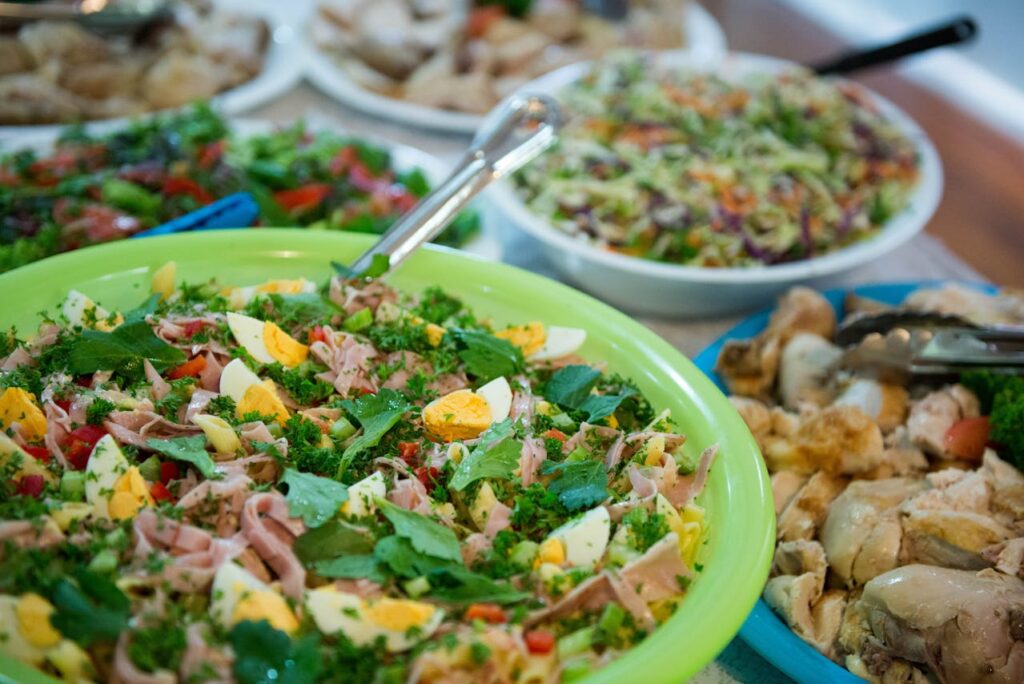
Office Holiday Parties
- Eat a protein-rich snack before arriving
- Position yourself away from food tables
- Focus on socializing rather than eating
- Limit yourself to one plate of food
Family Dinners
- Offer to help with cooking to control ingredients
- Suggest active post-meal activities
- Practice portion control without drawing attention
- Focus on connecting with family members
Multiple Holiday Events
- Plan which events deserve your “splurge” calories
- Eat lighter on days between major celebrations
- Maintain consistent exercise throughout the season
- Track your overall weekly intake rather than daily
The Science Behind Successful Holiday Weight Management
Research shows that people who successfully maintain their weight during holidays share common behaviors:
- They continue to weigh themselves regularly
- They maintain some form of physical activity
- They practice portion control consistently
- They don’t adopt an “all-or-nothing” mentality
- They plan ahead for challenging situations
Creating Your Personal Holiday Action Plan
Week before holidays:
- Set realistic goals (maintain weight rather than lose)
- Plan your exercise schedule around events
- Prepare healthy recipes and snacks
- Practice stress management techniques
During holiday events:
- Use the strategic eating order
- Implement portion control techniques
- Stay hydrated
- Focus on social connections over food
After holiday events:
- Return to routine immediately
- Avoid guilt and self-criticism
- Plan recovery meals and activities
- Reflect on what worked and what didn’t
Long-Term Perspective: Building Sustainable Habits
The goal isn’t to survive the holidays but to develop skills that serve you year-round. Each holiday season is an opportunity to practice mindful eating, stress management, and social navigation skills that benefit your overall health journey.
Remember, perfection isn’t the goal—progress is. If you overindulge at one meal, simply return to your healthy habits at the next opportunity. This flexible approach prevents the shame spiral that often leads to extended periods of unhealthy eating.
Your Holiday Success Action Plan
The holidays don’t have to derail your health goals. By implementing these evidence-based strategies, you can enjoy the season’s pleasures while maintaining your well-being. Start with 2-3 strategies that resonate most with you, then gradually incorporate others as they become habits.
Remember: the best approach is the one you can stick with consistently. Choose strategies that fit your lifestyle, social obligations, and personal preferences. With proper planning and mindful choices, you can enter the new year feeling energized and proud of how you navigated the holiday season.
Frequently Asked Questions
Q: How much weight gain during the holidays is normal?
A: Research shows the average person gains 1-2 pounds during the holiday season. However, the concern is that most people never lose this weight, leading to gradual accumulation over years.
Q: Should I weigh myself daily during the holidays?
A: Yes, studies show that people who weigh themselves regularly are more successful at maintaining their weight. Daily weigh-ins help you stay aware of trends and make adjustments quickly.
Q: Is it better to skip meals before a big holiday dinner?
A: No, skipping meals typically backfires by making you overly hungry, leading to poor food choices and overeating. Instead, eat light, protein-rich meals throughout the day.
Q: How can I handle family members who pressure me to eat more?
A: Prepare polite responses in advance, such as “I’m pacing myself to enjoy everything” or “That looks delicious, I’ll save room for later.” Focus on the social aspects of gatherings rather than just the food.
Q: What’s the best way to get back on track after overindulging?
A: Return to your normal eating and exercise routine immediately. Avoid the “all-or-nothing” mentality and don’t try to compensate by severely restricting calories the next day. Consistency is more important than perfection.