

Sugar has become the silent saboteur of modern health, lurking in everything from your morning coffee to that seemingly healthy granola bar. With the average American consuming over 17 teaspoons of added sugar daily—nearly triple the recommended amount—learning how to avoid sugar overload isn’t just helpful, it’s essential for your long-term wellbeing.
The good news? You don’t need to eliminate sugar entirely to see dramatic improvements in your energy, weight, and overall health. By implementing strategic changes and understanding how sugar affects your body, you can regain control and feel better than you have in years.
Understanding Sugar Overload: How Much Is Too Much?
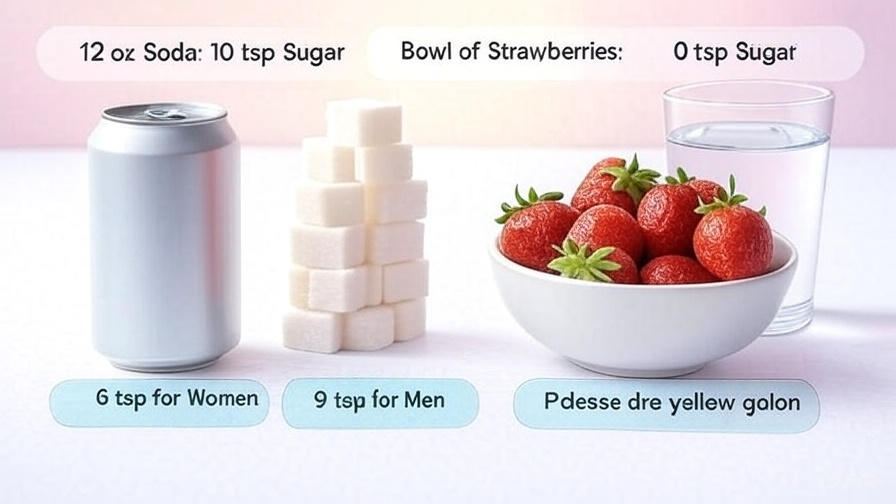
The American Heart Association provides clear guidelines for daily sugar intake:
- Women: Maximum 6 teaspoons (25 grams) of added sugar per day
- Men: Maximum 9 teaspoons (38 grams) of added sugar per day
- Children: No more than 3-6 teaspoons depending on age
To put this in perspective, a single 12-ounce soda contains about 10 teaspoons of sugar—already exceeding the daily limit for most people. When you factor in hidden sugars in processed foods, condiments, and seemingly healthy options like yogurt or granola, it’s easy to see how sugar overload happens.
Recognizing the Warning Signs of Sugar Overconsumption
Your body sends clear signals when you’ve had too much sugar:
- Energy crashes 2-3 hours after eating
- Intense cravings for more sweet foods
- Mood swings and irritability
- Difficulty concentrating or brain fog
- Frequent hunger despite recent meals
- Sleep disruptions or restless nights
- Skin breakouts or inflammation
The Hidden Health Risks of Chronic Sugar Overload
Beyond the immediate discomfort, excessive sugar consumption creates serious long-term health consequences:
Metabolic Damage: Regular sugar spikes lead to insulin resistance, the precursor to type 2 diabetes. Your cells become less responsive to insulin, forcing your pancreas to work overtime.
Cardiovascular Strain: High sugar intake increases triglycerides, raises blood pressure, and promotes inflammation—all major risk factors for heart disease.
Weight Gain and Obesity: Sugar triggers fat storage, particularly dangerous visceral fat around your organs. It also disrupts hormones that regulate hunger and satiety.
Accelerated Aging: Sugar causes glycation, a process where sugar molecules bind to proteins, creating advanced glycation end products (AGEs) that damage skin, joints, and organs.
15 Proven Strategies to Avoid Sugar Overload
1. Master the Art of Gradual Reduction
Don’t go cold turkey—your taste buds need time to adjust. Start by reducing added sugar by 25% each week. If you typically add two teaspoons to your coffee, try 1.5 teaspoons for a week, then one teaspoon, and so on.
2. Become a Label Detective
Sugar hides under 60+ different names on ingredient lists. Watch for:
- High fructose corn syrup
- Agave nectar
- Brown rice syrup
- Dextrose
- Maltodextrin
- Cane juice
- Fruit juice concentrate
Pro tip: Ingredients are listed by weight, so if any form of sugar appears in the first three ingredients, choose a different product.
3. Prioritize Protein and Fiber at Every Meal

Combining protein and fiber slows sugar absorption and keeps blood sugar stable. Aim for:
- Breakfast: Greek yogurt with nuts and berries instead of sugary cereal
- Lunch: Quinoa salad with chickpeas and vegetables
- Dinner: Grilled salmon with roasted vegetables
- Snacks: Apple slices with almond butter
4. Hydrate Strategically
Dehydration often masquerades as sugar cravings. Drink 16-20 ounces of water when cravings hit, then wait 10 minutes. Often, the craving disappears.
Hydration boosters:
- Add lemon, cucumber, or mint to water
- Drink herbal teas between meals
- Eat water-rich foods like watermelon, cucumbers, and strawberries
5. Time Your Sugar Intake Wisely
If you’re going to consume sugar, timing matters:
- Best time: Within 30 minutes after exercise when muscles readily absorb glucose
- Avoid: Late evening, as it can disrupt sleep and promote fat storage
- Pair wisely: Always combine with protein or healthy fats
6. Replace Liquid Sugar Calories
Beverages are the #1 source of added sugar in most diets. Make these swaps:
- Soda → Sparkling water with fresh fruit
- Fruit juice → Whole fruit with water
- Sweetened coffee drinks → Coffee with unsweetened almond milk and cinnamon
- Sports drinks → Water with a pinch of sea salt and lemon
7. Cook More, Process Less

Whole foods naturally contain less sugar than processed alternatives. When you cook from scratch, you control every ingredient.
Simple swaps:
- Homemade salad dressing instead of bottled versions
- Fresh fruit instead of fruit snacks
- Homemade trail mix instead of store-bought varieties
8. Use Natural Flavor Enhancers
Satisfy your sweet tooth without added sugar:
- Cinnamon: Naturally sweet and helps regulate blood sugar
- Vanilla extract: Adds sweetness perception without calories
- Nutmeg, cardamom, ginger: Warm spices that enhance natural flavors
- Fresh herbs: Mint, basil, and rosemary add complexity to dishes
9. Practice the 80/20 Rule
Perfection isn’t the goal—consistency is. Aim to make healthy choices 80% of the time, allowing flexibility for special occasions or treats 20% of the time. This prevents the all-or-nothing mentality that leads to binge cycles.
10. Address Sugar Addiction Head-On
Sugar addiction is real, triggering the same brain pathways as drugs. Break the cycle with:
- Chromium supplements: May help reduce cravings (consult your doctor first)
- L-glutamine: An amino acid that can curb sugar cravings
- Regular meal timing: Prevents blood sugar dips that trigger cravings
- Stress management: Chronic stress increases cortisol, which promotes sugar cravings
11. Plan for Different Life Stages
For Children: Focus on education rather than restriction. Involve kids in cooking, teach them to read labels, and model healthy behaviors.
For Seniors: Medications can affect taste perception, making foods seem less sweet. Use herbs and spices to enhance flavor without adding sugar.
For Diabetics: Work with a healthcare provider to create a personalized plan that considers medication timing and blood sugar monitoring.
12. Navigate Social Situations
Don’t let social pressure derail your progress:
- Eat a protein-rich snack before parties
- Bring a healthy dish to share
- Focus on socializing rather than food
- Practice polite ways to decline offers: “Thank you, but I’m satisfied right now”
13. Exercise as Your Secret Weapon

Physical activity is one of the most effective ways to manage blood sugar:
- After meals: A 10-15 minute walk can reduce blood sugar spikes by up to 30%
- Regular cardio: Improves insulin sensitivity
- Strength training: Builds muscle that acts as a glucose sink
- Yoga or meditation: Reduces stress hormones that promote sugar cravings
14. Choose Smart Sweetener Alternatives
When you need sweetness, choose options that don’t spike blood sugar:
- Stevia: Natural, zero-calorie option
- Monk fruit: No aftertaste, bakes well
- Erythritol: Sugar alcohol with minimal digestive issues
- Fresh or frozen fruit: Provides fiber along with natural sugars
15. Create a Sugar Emergency Kit
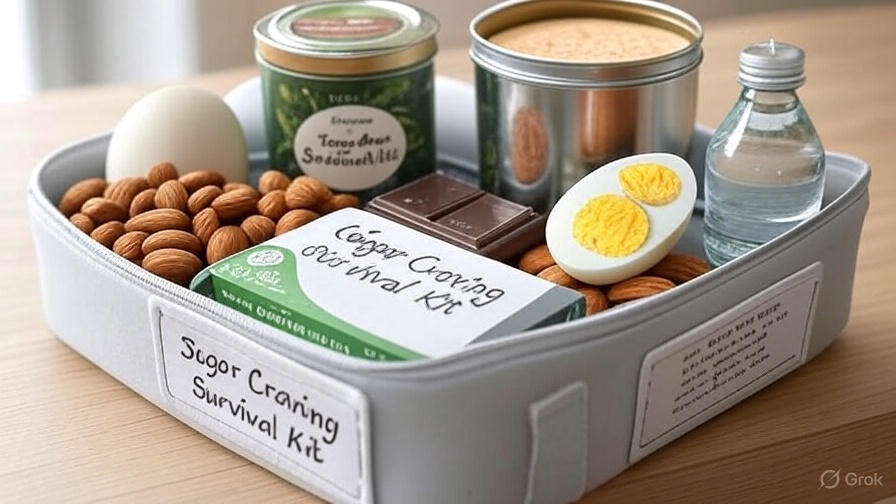
Prepare for moments when cravings hit hard:
- Raw almonds or walnuts
- Hard-boiled eggs
- Herbal tea bags
- Sugar-free gum
- Sparkling water
- Dark chocolate (85% cacao or higher)
What to Do After a Sugar Overload
Despite your best efforts, sugar overload happens. Here’s your recovery protocol:
Immediate Actions (0-2 hours):
- Drink 16-20 ounces of water
- Take a 10-15 minute walk
- Avoid eating more sugar (resist the urge to “start over tomorrow”)
Next Meal Strategy:
- Focus on protein and vegetables
- Include healthy fats like avocado or olive oil
- Skip refined carbohydrates
- Add fiber-rich foods to slow digestion
24-Hour Recovery:
- Stay extra hydrated
- Get quality sleep (sugar disrupts sleep patterns)
- Do light exercise if possible
- Practice stress-reduction techniques
Creating Your Personalized Sugar Reduction Plan
Success comes from creating a plan that fits your lifestyle:
Week 1-2: Track your current sugar intake without making changes. Knowledge is power.
Week 3-4: Eliminate obvious sources like soda, candy, and desserts.
Week 5-6: Start reading labels and reducing hidden sugars in processed foods.
Week 7-8: Focus on meal timing and combining foods strategically.
Week 9+: Fine-tune your approach and develop long-term habits.
The Sweet Rewards of Reducing Sugar
When you successfully avoid sugar overload, the benefits compound quickly:
- Stable energy throughout the day
- Better sleep quality and easier mornings
- Clearer skin and reduced inflammation
- Improved mood and mental clarity
- Weight loss without feeling deprived
- Reduced risk of chronic diseases
- Enhanced taste sensitivity (healthy foods taste better)
Frequently Asked Questions
Q: Can I ever eat sugar again after reducing my intake?
A: Absolutely! The goal isn’t elimination but moderation. Once you’ve reset your taste buds and established healthy habits, occasional treats can be part of a balanced lifestyle.
Q: How long does it take to stop craving sugar?
A: Most people notice reduced cravings within 2-3 weeks of consistent sugar reduction. However, it can take up to 6 weeks for taste buds to fully adapt.
Q: Are natural sugars like honey and maple syrup better than white sugar?
A: While they contain trace nutrients, your body processes all sugars similarly. Natural sugars should still be consumed in moderation and count toward your daily sugar limit.
Q: What’s the difference between natural and added sugars?
A: Natural sugars occur in whole foods like fruits and come with fiber, vitamins, and minerals. Added sugars are incorporated during processing and provide empty calories without nutritional benefits.
Q: Can artificial sweeteners help me avoid sugar overload?
A: They can be useful transition tools, but some studies suggest they may maintain sweet cravings. Focus on gradually reducing overall sweetness preference for long-term success.
Your Journey to Sugar Freedom Starts Now
Avoiding sugar overload isn’t about perfection—it’s about progress. Every small change you make compounds over time, leading to dramatic improvements in how you look, feel, and function.
Start with just one or two strategies from this guide. Maybe it’s reading labels more carefully or adding a 10-minute walk after dinner. As these become habits, gradually incorporate more techniques.
Remember, you’re not just avoiding sugar overload—you’re investing in decades of better health, sustained energy, and genuine vitality. Your future self will thank you for every healthy choice you make today.
Ready to take control of your sugar intake? Choose one strategy from this guide and implement it this week. Track your progress, celebrate small wins, and remember that lasting change happens one day at a time.