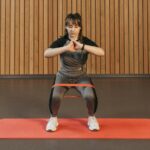
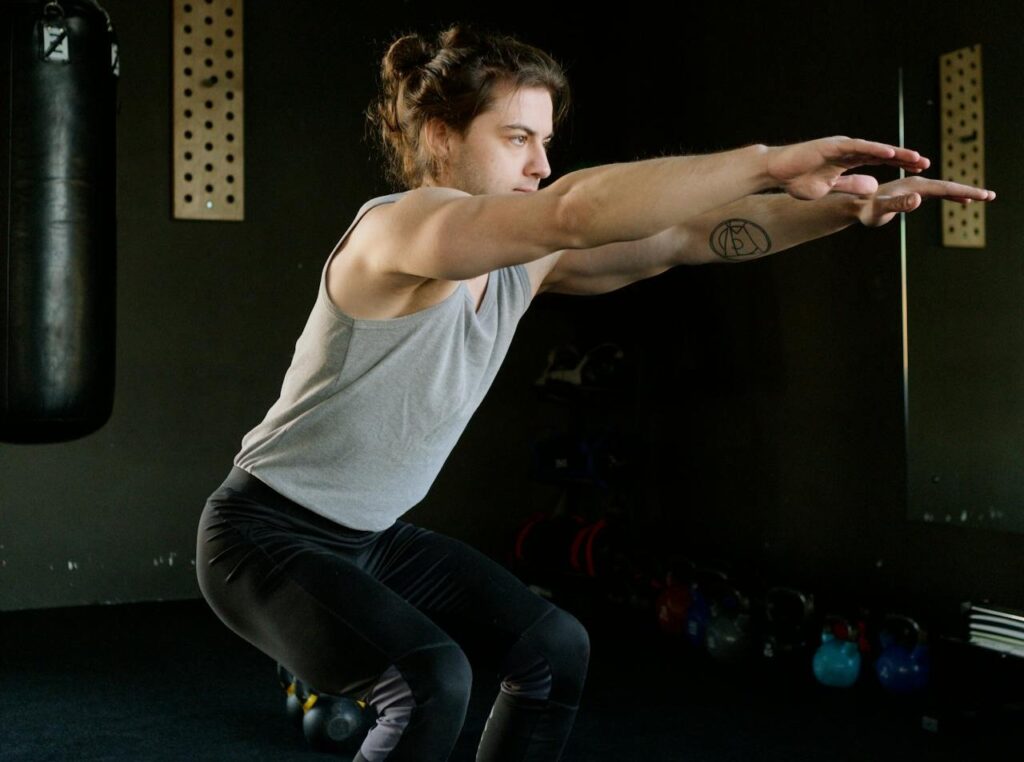
Air squats are one of the most fundamental and effective bodyweight exercises you can perform. Also known as bodyweight squats, air squats involve squatting down by moving your hips back and down without using any additional weights or equipment. This simple yet powerful movement has become a cornerstone of fitness routines worldwide, from beginner workouts to elite athletic training programs.
Unlike weighted squats that require barbells, dumbbells, or other equipment, air squats rely solely on your body weight for resistance. This makes them incredibly accessible – you can perform them anywhere, anytime, without needing a gym membership or expensive equipment. Whether you’re a complete beginner starting your fitness journey or an experienced athlete looking to perfect your movement patterns, air squats offer benefits for everyone.
How to Perform Air Squats: Step-by-Step Guide
Starting Position and Setup
Proper form is crucial for maximizing the benefits of air squats while preventing injury. Here’s how to set up correctly:
Foot Placement:
- Stand with your feet shoulder-width apart
- Point your toes slightly outward (about 15-30 degrees)
- Ensure your entire foot maintains contact with the ground throughout the movement
- Distribute your weight evenly across your feet
Body Alignment:
- Keep your chest lifted and shoulders back
- Engage your core muscles to maintain stability
- Look straight ahead or slightly upward
- Keep your arms at your sides or extend them forward for balance
The Descent Phase
- Initiate the movement by pushing your hips back as if sitting into an invisible chair
- Bend at the knees and hips simultaneously while keeping your chest up
- Lower your body until your hip crease drops below your knee level
- Maintain proper knee tracking – your knees should follow the direction of your toes
- Keep your heels flat on the ground throughout the descent
The Ascent Phase
- Drive through your heels to initiate the upward movement
- Push the floor away with your feet while engaging your glutes
- Extend your hips and knees simultaneously to return to standing
- Maintain core engagement throughout the entire movement
- Fully extend at the top without locking your knees aggressively
Common Form Cues
- “Sit back into your hips”
- “Chest up, knees out”
- “Drive through your heels”
- “Keep your weight in your heels and mid-foot”
Benefits of Air Squats
Strength and Muscle Development
Air squats are a compound exercise that targets multiple muscle groups simultaneously:
Primary Muscles Worked:
- Quadriceps: The front thigh muscles that extend the knee
- Glutes: The powerful hip muscles that drive the upward movement
- Hamstrings: The back thigh muscles that assist in hip extension
Secondary Muscles Engaged:
- Core muscles: Provide stability throughout the movement
- Calves: Help maintain balance and support
- Hip flexors: Assist in the squatting motion
Functional Movement Benefits
Air squats mirror natural movement patterns we use daily, such as:
- Getting up from chairs
- Picking up objects from the ground
- Climbing stairs
- Getting in and out of cars
This functional strength translates directly to improved quality of life and reduced injury risk in daily activities.
Joint Health and Mobility
Regular air squat practice promotes:
- Hip mobility: Improves range of motion in the hip joint
- Ankle flexibility: Enhances dorsiflexion needed for proper squat depth
- Knee stability: Strengthens the muscles that support the knee joint
- Spinal health: Promotes proper posture and core strength
Cardiovascular Benefits
When performed in higher repetitions or as part of circuit training, air squats can:
- Elevate heart rate for cardiovascular conditioning
- Improve muscular endurance
- Burn calories effectively
- Enhance overall fitness levels
Air Squat Variations and Progressions
Beginner Modifications
Box Squats:
- Use a chair or box to limit your range of motion
- Sit back onto the surface, then stand up
- Gradually lower the height as you improve
Assisted Squats:
- Hold onto a doorframe or TRX straps for support
- Use the assistance to maintain proper form while building strength
Partial Range Squats:
- Start with quarter or half squats
- Gradually increase depth as mobility improves
Intermediate Variations
Pause Squats:
- Hold the bottom position for 2-3 seconds
- Increases time under tension and strength
Tempo Squats:
- Control the descent (3-4 seconds down)
- Builds strength and improves form
Single-Leg Squats (Pistol Squats):
- Advanced unilateral movement
- Requires significant strength and balance
Advanced Progressions
Jump Squats:
- Add explosive power by jumping at the top
- Excellent for athletic performance
Bulgarian Split Squats:
- Rear foot elevated single-leg variation
- Challenges balance and unilateral strength
Overhead Squats:
- Arms extended overhead throughout the movement
- Tests mobility and stability
Programming Air Squats: Sets, Reps, and Frequency
For Beginners
- Frequency: 3-4 times per week
- Sets: 2-3 sets
- Reps: 8-15 repetitions
- Rest: 60-90 seconds between sets
For Intermediate Trainees
- Frequency: 4-5 times per week
- Sets: 3-4 sets
- Reps: 15-25 repetitions
- Rest: 45-60 seconds between sets
For Advanced Athletes
- Frequency: 5-6 times per week
- Sets: 4-5 sets
- Reps: 25+ repetitions or time-based (30-60 seconds)
- Rest: 30-45 seconds between sets
Common Mistakes and How to Fix Them
Knee Valgus (Knees Caving In)
Problem: Knees collapse inward during the movement
Solution: Focus on pushing knees out in line with toes, strengthen glutes and hip abductors
Forward Lean
Problem: Excessive forward lean of the torso
Solution: Work on ankle mobility, keep chest up, initiate movement with hips
Heel Rise
Problem: Coming up on toes during the squat
Solution: Focus on sitting back into hips, improve ankle flexibility
Incomplete Range of Motion
Problem: Not squatting deep enough
Solution: Work on hip and ankle mobility, use box squats to teach proper depth
Rapid Tempo
Problem: Bouncing or rushing through the movement
Solution: Control the descent, pause at the bottom, focus on quality over quantity
Safety Considerations and Contraindications
Who Should Avoid Air Squats
While air squats are generally safe for most people, certain conditions may require modifications or avoidance:
- Acute knee pain or injury
- Severe knee osteoarthritis
- Recent hip or ankle surgery
- Acute lower back pain
- Sciatica or nerve impingement
When to Consult a Healthcare Professional
Seek medical advice before starting air squats if you have:
- Chronic joint pain
- Previous lower extremity injuries
- Balance or coordination issues
- Any concerns about your ability to exercise safely
General Safety Tips
- Always warm up before performing air squats
- Start with a range of motion that feels comfortable
- Progress gradually in depth and repetitions
- Listen to your body and stop if you experience pain
- Focus on form over speed or repetition count
Incorporating Air Squats into Your Workout Routine
As a Warm-Up
- 10-15 air squats to activate muscles and joints
- Prepare the body for more intense exercises
In Strength Training
- Use as an accessory exercise after weighted squats
- Perform high-repetition sets for muscular endurance
In Circuit Training
- Include in bodyweight circuits for full-body conditioning
- Combine with push-ups, burpees, and other movements
As Active Recovery
- Light air squats on rest days to promote blood flow
- Help maintain movement quality and joint mobility
Frequently Asked Questions
How many air squats should I do per day?
For beginners, start with 20-30 air squats per day, divided into 2-3 sets. As you progress, you can increase to 50-100+ per day depending on your fitness goals and current ability level.
Can air squats replace weighted squats?
While air squats are excellent for building foundational strength and endurance, weighted squats are generally superior for maximum strength development. Air squats are perfect for beginners, high-repetition training, and situations where equipment isn’t available.
How deep should I squat?
Ideally, you should squat until your hip crease is below your knee level. However, only go as deep as your mobility allows while maintaining proper form. Depth will improve with consistent practice.
Are air squats bad for your knees?
When performed with proper form, air squats are actually beneficial for knee health. They strengthen the muscles around the knee joint and improve stability. However, if you experience knee pain, consult a healthcare professional.
How long does it take to see results from air squats?
You may notice improvements in strength and endurance within 2-3 weeks of consistent practice. Visible muscle changes typically occur after 6-8 weeks of regular training combined with proper nutrition.
The Bottom Line
Air squats are a fundamental exercise that deserves a place in everyone’s fitness routine. They’re accessible, effective, and provide numerous benefits for strength, mobility, and overall health. Whether you’re just starting your fitness journey or looking to perfect your movement patterns, mastering the air squat will serve as a foundation for more advanced exercises and improved daily function.
Remember that consistency is key – start with what you can handle, focus on proper form, and gradually progress over time. With patience and practice, you’ll develop the strength, mobility, and confidence to perform air squats with perfect technique while reaping all the benefits this timeless exercise has to offer.
Ready to get started? Begin with just a few air squats today, focusing on quality movement over quantity. Your future self will thank you for building this essential movement pattern into your daily routine.