
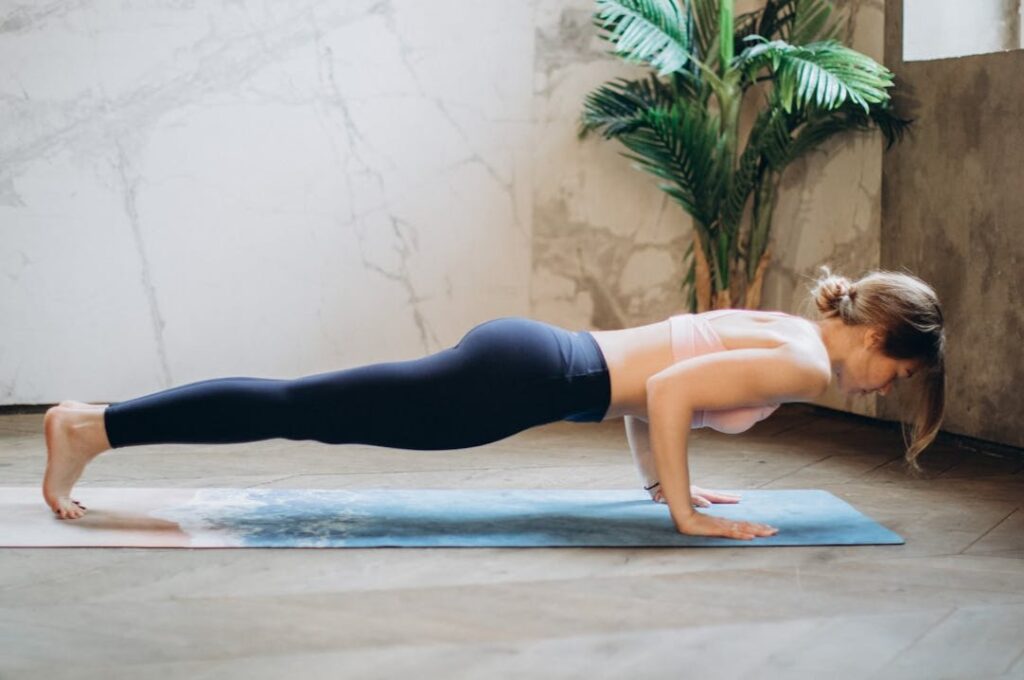
Let’s be honest – you’re here because the thought of sweating it out in a crowded gym makes you want to crawl back under the covers. And you know what? There’s absolutely no shame in that game. I’ve been there, scrolling through Instagram fitness influencers while eating cereal for dinner, wondering how some people have the energy to wake up at 5 AM for a workout.
The truth is, you don’t need to transform into a fitness fanatic overnight to get healthier and stronger. In fact, the most sustainable approach to fitness might just be the “lazy” one – and science backs this up. This guide will show you how to build genuine fitness habits that stick, without the overwhelm, expensive equipment, or gym membership guilt.
Why the “Lazy” Approach Actually Works Better
Before we dive into the how-to, let’s talk about why traditional fitness advice fails most people. The fitness industry loves to sell us on extreme transformations, but research shows that 80% of people abandon their fitness goals within the first five months. Why? Because they’re trying to go from zero to hero overnight.
The lazy person’s approach to fitness is actually rooted in behavioral psychology. It’s about:
- Micro-habits that compound over time – Small, consistent actions beat sporadic intense efforts
- Removing friction – The easier something is to do, the more likely you’ll stick with it
- Integration over isolation – Weaving movement into your existing routine rather than carving out separate “workout time”
Think of it as the “lazy programmer” philosophy applied to fitness: find the most efficient solution that delivers maximum results with minimal effort.
The Foundation: Walking Your Way to Fitness

Let’s start with the most underrated exercise on the planet: walking. I know, I know – it doesn’t feel like “real” exercise. But here’s the thing: walking is a powerhouse that checks multiple fitness boxes without feeling like work.
Why Walking is Your Secret Weapon
Walking at a moderate pace (3-4 mph) for 30+ minutes daily provides:
- Cardiovascular benefits comparable to more intense cardio
- Low-impact strength training for your legs and core
- Mental health improvements through stress reduction and mood enhancement
- Metabolic boost that continues even after you stop
Making Walking Effortless
The key is integration. Instead of scheduling “walking time,” build it into your day:
- Take walking meetings – Your colleagues will thank you for the fresh air
- Park farther away – Turn errands into mini-workouts
- Use the “scenic route” – Take the long way to the bathroom, kitchen, or mailbox
- Walk while waiting – Pace during phone calls or while your coffee brews
- Make it social – Walk with friends, family, or even your dog (they’ll love you for it)
Pro tip: Start with just 10 minutes daily. Once that feels automatic, gradually increase. The goal is consistency, not intensity.
Micro-Movements: Fitness in Disguise
This is where the lazy approach gets genius. Instead of dedicating chunks of time to exercise, you’re going to sneak fitness into moments you’re already spending.
Kitchen Counter Calisthenics
While your coffee brews or food heats up:
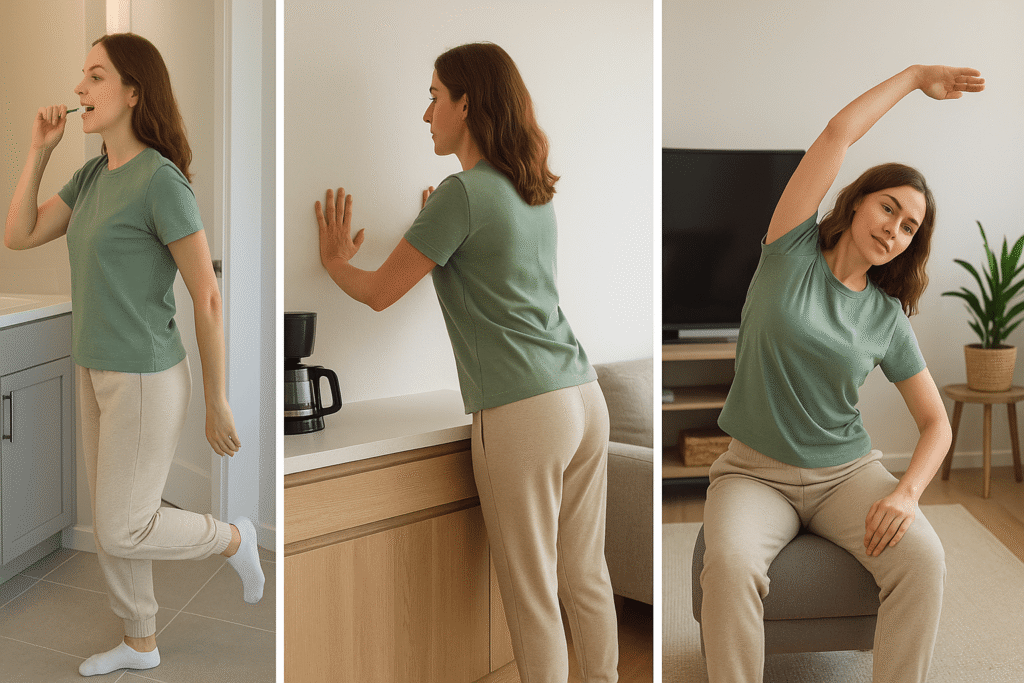
- Wall push-ups – Stand arm’s length from the counter, lean in, push back
- Calf raises – Rise up on your toes, lower slowly
- Counter squats – Use the counter for balance, squat down slowly
Bathroom Break Bonuses
Every bathroom trip becomes a mini-workout:
- Toilet squats – Hover over the seat for 10 seconds before sitting
- Sink planks – Hands on the sink edge, walk your feet back into plank position
- Mirror stretches – Shoulder rolls, neck stretches, arm circles
TV Time Transformations
Turn your binge-watching into body-building:
- Commercial break challenges – Squats, jumping jacks, or stretches during ads
- Couch exercises – Leg lifts, seated marches, or glute squeezes
- Floor time – Lie on the floor instead of the couch for automatic core engagement
The Lazy Person’s Strength Training System

Forget complicated gym routines. Your body is the only equipment you need, and these exercises can be done anywhere, anytime.
The Big Three: Maximum Impact, Minimum Effort
Focus on these compound movements that work multiple muscle groups:
1. The Slow-Motion Squat
- How: Lower yourself as slowly as possible (aim for 10 seconds down)
- When: Every time you sit down or stand up
- Why: Builds leg strength and improves functional movement
2. The Stealth Push-Up
- Wall version: For beginners or office settings
- Knee version: Progress from wall push-ups
- Full version: The ultimate goal, but no rush
- When: While waiting for anything (elevators, microwaves, downloads)
3. The Invisible Plank
- How: Engage your core like someone’s about to tickle you
- When: Standing in line, washing dishes, brushing teeth
- Progress: Work up to holding for 30 seconds at a time
The 5-Minute Morning Routine
Even the laziest person can spare 5 minutes. This routine requires no equipment and can be done in pajamas:
- 30 seconds: Gentle stretching (reach for the sky, touch your toes)
- 1 minute: Wall push-ups or knee push-ups
- 1 minute: Slow squats (as many as you can with good form)
- 1 minute: Standing marches or gentle jumping jacks
- 1.5 minutes: Plank hold (start with 15 seconds, build up)
Do this routine 3-4 times per week, and you’ll be amazed at the results.
Nutrition for the Fitness-Lazy
Here’s the gap most fitness guides miss: you can’t out-exercise a poor diet, but you also don’t need to become a meal-prep warrior.
The 80/20 Rule for Lazy Eaters
Focus on getting 80% of your nutrition right, and don’t stress about the other 20%:
- Hydration first: Drink water before every meal and snack
- Protein at every meal: Eggs, Greek yogurt, nuts, or protein powder
- Vegetables with dinner: Frozen veggies count – they’re often more nutritious than fresh
- Smart swaps: Whole grain bread instead of white, sparkling water instead of soda
Meal Planning for the Motivation-Challenged
- Batch cook on Sundays: Make a big pot of something (chili, soup, stir-fry)
- Keep emergency foods: Canned beans, frozen vegetables, pre-cooked proteins
- Use technology: Meal delivery services or grocery pickup save time and decision fatigue
Seasonal Adaptations: Year-Round Lazy Fitness
One major gap in most fitness advice is dealing with weather and seasonal changes.
Winter Strategies
- Mall walking: Climate-controlled and people-watching included
- Stair climbing: Use your apartment or office building
- Indoor dance parties: Put on music and move for 10 minutes
Summer Solutions
- Early morning walks: Beat the heat and start your day energized
- Swimming or water walking: Low-impact, full-body workout
- Gardening: Surprisingly good exercise disguised as yard work
Rainy Day Routines
- YouTube workouts: 10-15 minute videos you can do in your living room
- Cleaning workouts: Vacuum with vigor, scrub with purpose
- Stretching sessions: Focus on flexibility and mobility
Mental Health Benefits: The Hidden Reward
Physical fitness isn’t just about looking good – it’s about feeling good mentally. The lazy approach to fitness offers unique psychological benefits:
- Reduced anxiety: Gentle, consistent movement regulates stress hormones
- Improved mood: Even light exercise releases endorphins
- Better sleep: Regular movement improves sleep quality
- Increased confidence: Small, consistent wins build self-efficacy
Tracking Progress Without Obsessing
The key to sustainable fitness is tracking what matters without becoming obsessive.
Simple Metrics That Matter
- Energy levels: Rate your daily energy on a 1-10 scale
- Sleep quality: How rested do you feel in the morning?
- Mood: Are you generally happier and less stressed?
- Functional fitness: Can you climb stairs without getting winded?
Technology That Helps (Not Hinders)
- Step counters: Aim for gradual increases, not perfection
- Habit tracking apps: Focus on consistency, not intensity
- Progress photos: Sometimes the scale lies, but pictures don’t
Injury Prevention for Beginners
Since you’re starting slow and gentle, injury risk is low, but let’s keep it that way:
Listen to Your Body
- Good tired vs. bad tired: Muscle fatigue is normal, joint pain is not
- Start slower than you think: You can always do more tomorrow
- Rest is productive: Your body gets stronger during recovery
When to Seek Help
- Persistent pain: Anything that doesn’t improve with rest
- Dizziness or chest pain: Stop immediately and consult a healthcare provider
- Chronic conditions: Always check with your doctor before starting any new routine
Building Your Personal Lazy Fitness System

Now it’s time to create your personalized approach. Remember, the best fitness plan is the one you’ll actually follow.
Week 1-2: Foundation Building
- Add 10 minutes of walking to your daily routine
- Do the 5-minute morning routine twice this week
- Practice micro-movements during daily activities
Week 3-4: Gentle Progression
- Increase walking to 15 minutes daily
- Do the morning routine 3 times per week
- Add one new micro-movement to your repertoire
Week 5-8: Habit Solidification
- Aim for 20-30 minutes of walking most days
- Morning routine becomes 4-5 times per week
- Experiment with different activities to keep it interesting
Beyond 2 Months: Lifestyle Integration
By now, movement should feel natural, not forced. You might find yourself:
- Taking stairs without thinking about it
- Looking forward to your walks
- Feeling restless when you’ve been sedentary too long
Troubleshooting Common Lazy Person Problems
“I Don’t Have Time”
- Start with 2-minute micro-workouts
- Use transition times (before shower, after coffee)
- Remember: you have time for what you prioritize
“I’m Too Tired”
- Exercise actually increases energy over time
- Start with gentle stretching or slow walks
- Check your sleep and nutrition first
“I Keep Forgetting”
- Link new habits to existing ones
- Set phone reminders for the first few weeks
- Put visual cues in your environment
“I’m Not Seeing Results”
- Results take 4-6 weeks to become noticeable
- Focus on how you feel, not just how you look
- Take progress photos and measurements
Your Lazy Fitness Action Plan
Ready to start? Here’s your no-overwhelm action plan:
This Week:
- Choose one 10-minute walking opportunity in your day
- Pick three micro-movements to try
- Do the 5-minute morning routine once
Next Week:
- Add a second walking opportunity
- Try the morning routine twice
- Experiment with TV-time exercises
This Month:
- Aim for 20 minutes of walking most days
- Morning routine 3-4 times per week
- Add one new activity you actually enjoy
Remember, this isn’t about perfection – it’s about progress. Every small step counts, literally and figuratively.
Frequently Asked Questions
Q: How long before I see results?
A: You’ll likely feel more energetic within 1-2 weeks. Physical changes typically become noticeable after 4-6 weeks of consistency.
Q: What if I miss several days?
A: Just start again. Consistency over time matters more than perfect streaks. Don’t let a few missed days derail your entire effort.
Q: Do I need any equipment?
A: Nope! Your body weight and gravity are all you need. If you want to add resistance bands later, they’re cheap and versatile, but not necessary.
Q: Is this approach suitable for weight loss?
A: Yes, especially when combined with mindful eating. The key is creating a sustainable calorie deficit through increased activity and better food choices.
Q: What if I have physical limitations?
A: This approach is highly adaptable. Focus on what you can do, and consult with a healthcare provider or physical therapist for personalized modifications.
Q: How do I stay motivated long-term?
A: Focus on how exercise makes you feel rather than how you look. Track energy levels, mood, and sleep quality. These improvements are often more motivating than physical changes.
The lazy person’s guide to fitness isn’t about being lazy – it’s about being smart. By working with your natural tendencies rather than against them, you’re more likely to build lasting habits that improve your health and happiness. Start small, be consistent, and remember that the best workout is the one you’ll actually do.
Your future, fitter self will thank you for taking that first small step today.