

Winter doesn’t have to mean hibernating indoors until spring arrives. In fact, the colder months offer unique opportunities to diversify your fitness routine, boost your mental health, and discover exciting new ways to stay active. Whether you’re a fitness enthusiast looking to maintain your routine or someone seeking motivation to start moving, this comprehensive guide will help you embrace winter fitness with confidence and enthusiasm.
Why Winter Exercise Is Your Secret Weapon for Year-Round Health
Physical Benefits That Go Beyond the Obvious
Cold weather exercise offers surprising advantages that you won’t get during warmer months. When you exercise in cooler temperatures, your body doesn’t have to work as hard to regulate its core temperature, allowing you to potentially work out longer and more intensely. This means you can burn more calories and build endurance more effectively.
Winter workouts also provide essential vitamin D exposure during shorter daylight hours. Even on cloudy days, outdoor exercise helps combat the vitamin D deficiency that affects millions during winter months, supporting bone health and immune function.
Mental Health Benefits: Your Natural Antidepressant
Seasonal Affective Disorder (SAD) affects up to 10% of people in northern climates, but regular winter exercise acts as a powerful natural antidepressant. Physical activity releases endorphins, serotonin, and dopamine – your body’s natural mood elevators. The combination of exercise and natural light exposure, even on overcast days, can significantly reduce symptoms of seasonal depression and winter blues.
Research shows that people who maintain consistent exercise routines throughout winter report better sleep quality, improved energy levels, and enhanced overall well-being compared to those who become sedentary during colder months.
Exciting Outdoor Winter Activities to Energize Your Routine
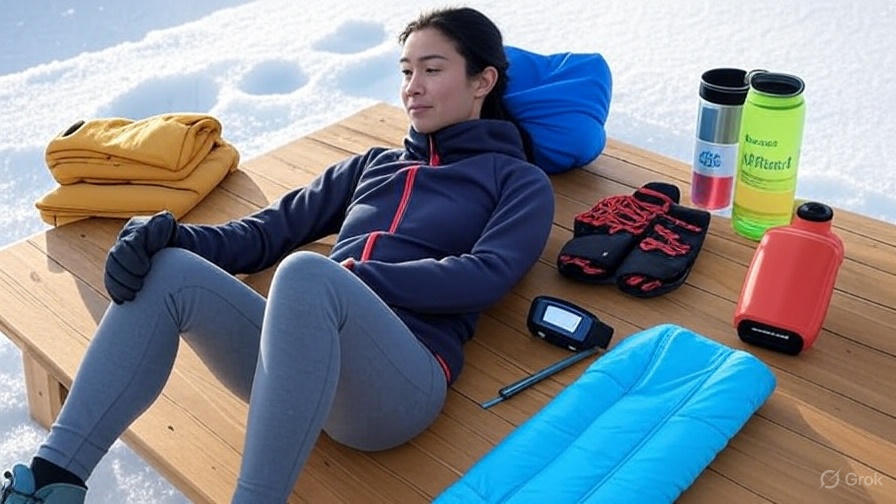
Classic Winter Sports That Deliver Full-Body Workouts
Skiing and Snowboarding
These quintessential winter activities provide exceptional cardiovascular exercise while strengthening your core, legs, and improving balance. Downhill skiing burns approximately 400-600 calories per hour, while cross-country skiing can burn up to 700 calories per hour – making it one of the most effective winter workouts available.
Ice Skating
Whether at an outdoor rink or frozen pond, ice skating offers a low-impact cardiovascular workout that strengthens your legs, core, and improves coordination. It’s particularly beneficial for people with joint issues who need gentler exercise options during winter.
Snowshoeing
Often called “hiking’s winter cousin,” snowshoeing is incredibly accessible for beginners while providing an excellent full-body workout. It burns 400-500 calories per hour and requires minimal equipment investment compared to other winter sports.
Budget-Friendly Outdoor Options
Winter Hiking and Nature Walks
Don’t let snow stop your hiking adventures. Winter hiking offers unique scenic beauty and can be more comfortable than summer hiking without heat and humidity. Invest in proper footwear with good traction, and you’ll discover a whole new world of winter landscapes.
Sledding and Tobogganing
These aren’t just for kids! Sledding provides an excellent workout as you climb hills repeatedly, engaging your leg muscles and cardiovascular system. Plus, the joy and laughter involved provide additional mental health benefits.
Outdoor Boot Camps and Group Fitness
Many fitness instructors offer outdoor winter boot camps that combine cardio, strength training, and functional movements. The cold air keeps you comfortable during high-intensity intervals, and group motivation helps maintain consistency.
Indoor Exercise Alternatives for Extreme Weather Days
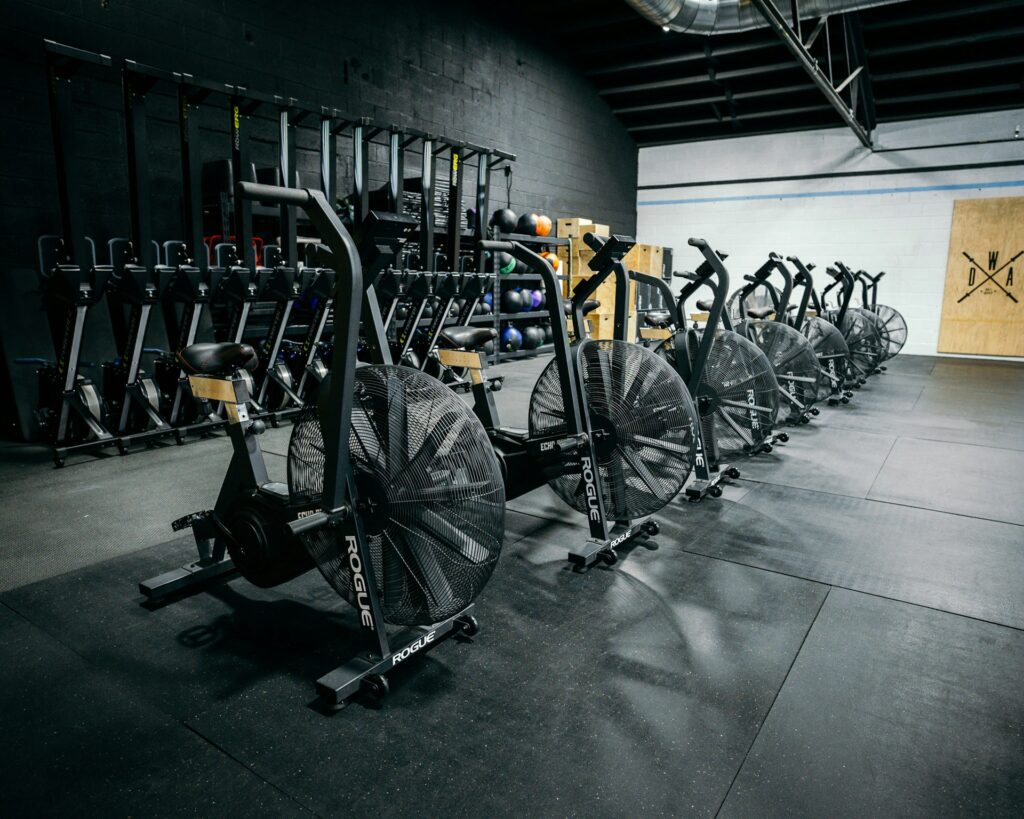
High-Energy Indoor Workouts
Boxing and Kickboxing
Perfect for releasing winter stress and frustration, boxing workouts provide intense cardiovascular exercise and full-body strength training. Many gyms offer beginner-friendly classes, or you can follow online tutorials at home with minimal equipment.
Dance Fitness Classes
From Zumba to hip-hop dance classes, dancing is an excellent way to boost your mood while getting a great workout. The upbeat music and social atmosphere help combat winter isolation and depression.
Hot Yoga and Heated Fitness Classes
The warmth of heated fitness classes feels especially appealing during cold months. Hot yoga, heated Pilates, or warm cycling classes provide the dual benefit of intense workouts and temporary escape from winter’s chill.
Strength Training and Flexibility Focus
Pilates and Barre Classes
Winter is an ideal time to focus on building core strength, flexibility, and muscle tone. These low-impact workouts complement higher-intensity activities and help prevent injuries when you return to outdoor sports.
Home Gym Workouts
Create a dedicated workout space at home with basic equipment like resistance bands, dumbbells, and a yoga mat. Online fitness platforms offer countless workout options, from HIIT sessions to strength training routines.
Essential Safety Tips for Cold Weather Exercise
Layering Strategy for Optimal Performance
The key to comfortable cold weather exercise lies in proper layering:
- Base Layer: Moisture-wicking synthetic materials or merino wool to keep sweat away from skin
- Insulating Layer: Fleece or down for warmth retention
- Outer Shell: Waterproof, breathable jacket to protect from wind and precipitation
Avoid cotton clothing, which retains moisture and loses insulating properties when wet. This can lead to dangerous drops in body temperature.
Recognizing and Preventing Cold-Related Injuries
Hypothermia Warning Signs:
- Uncontrollable shivering
- Confusion or slurred speech
- Loss of coordination
- Extreme fatigue
Frostbite Prevention:
- Keep extremities covered and dry
- Take regular breaks to warm up
- Stay hydrated and well-nourished
- Limit outdoor exposure during extreme cold warnings
Hydration and Nutrition Considerations
Many people underestimate their hydration needs during winter exercise. Cold air is typically dry, and you lose significant moisture through breathing. Additionally, your thirst sensation decreases in cold weather, making it easy to become dehydrated without realizing it.
Focus on consuming warm, nutrient-dense foods before and after winter workouts. Your body burns more calories maintaining core temperature in cold conditions, so adequate fuel is essential for performance and recovery.
Family-Friendly Winter Fitness Activities
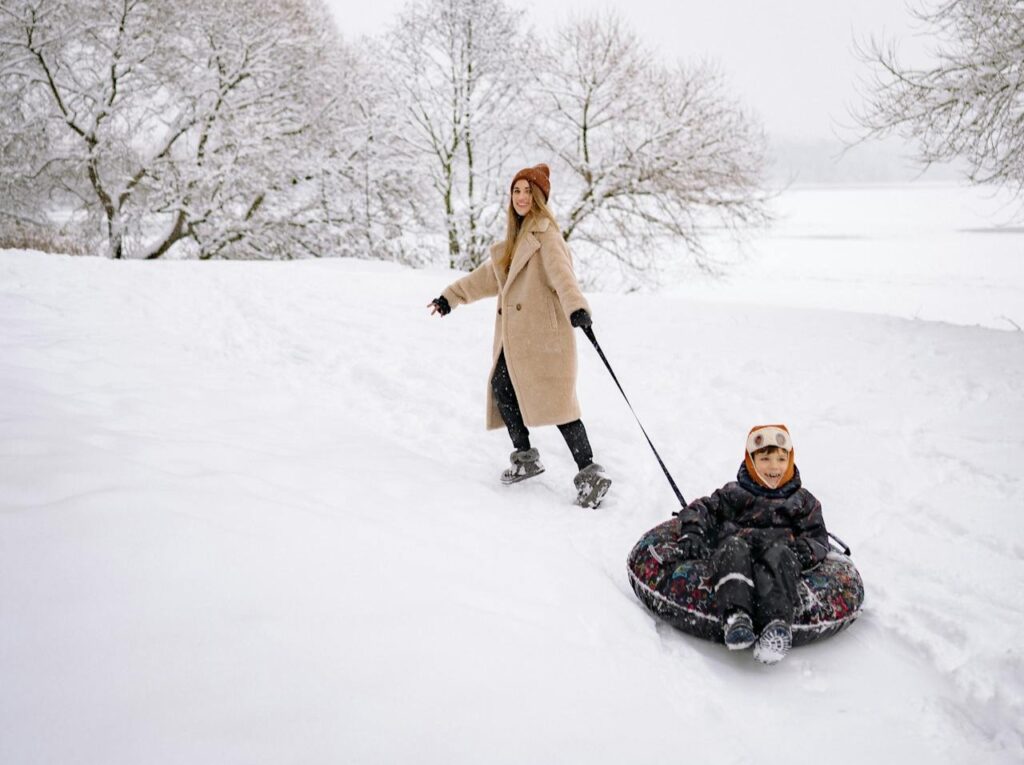
Building Healthy Habits Together
Snow Fort Building and Snowball Fights
These classic winter activities provide excellent functional fitness workouts. Building snow structures engages core muscles, while snowball fights offer cardio intervals and agility training disguised as play.
Winter Scavenger Hunts
Create outdoor scavenger hunts that encourage walking, running, and exploration. This combines physical activity with mental stimulation and can be adapted for all ages and fitness levels.
Ice Skating Parties
Organize family or friend group skating sessions. The social aspect increases motivation and adherence to regular activity while providing a fun, low-impact workout option.
Creating Your Winter Fitness Challenge
Goal Setting for Cold Weather Success
Progressive Training Plans
Start with 2-3 winter activities per week and gradually increase frequency and intensity. Set specific, measurable goals like “snowshoe for 30 minutes twice weekly” rather than vague intentions to “exercise more.”
Tracking and Accountability
Use fitness apps or journals to track your winter activities. Share goals with friends or family members to create accountability partnerships. Consider joining winter sports clubs or fitness groups for additional motivation and social connection.
Equipment Investment Guide
Essential Gear for Beginners:
- Quality winter boots with good traction
- Moisture-wicking base layers
- Insulated, waterproof gloves
- Warm hat that covers ears
- Reflective gear for low-light conditions
Budget-Friendly Equipment Options:
- Rent equipment before purchasing expensive items
- Check second-hand sports stores for deals
- Look for end-of-season sales on winter gear
- Consider borrowing equipment from friends to try activities
Staying Motivated Throughout the Winter Season
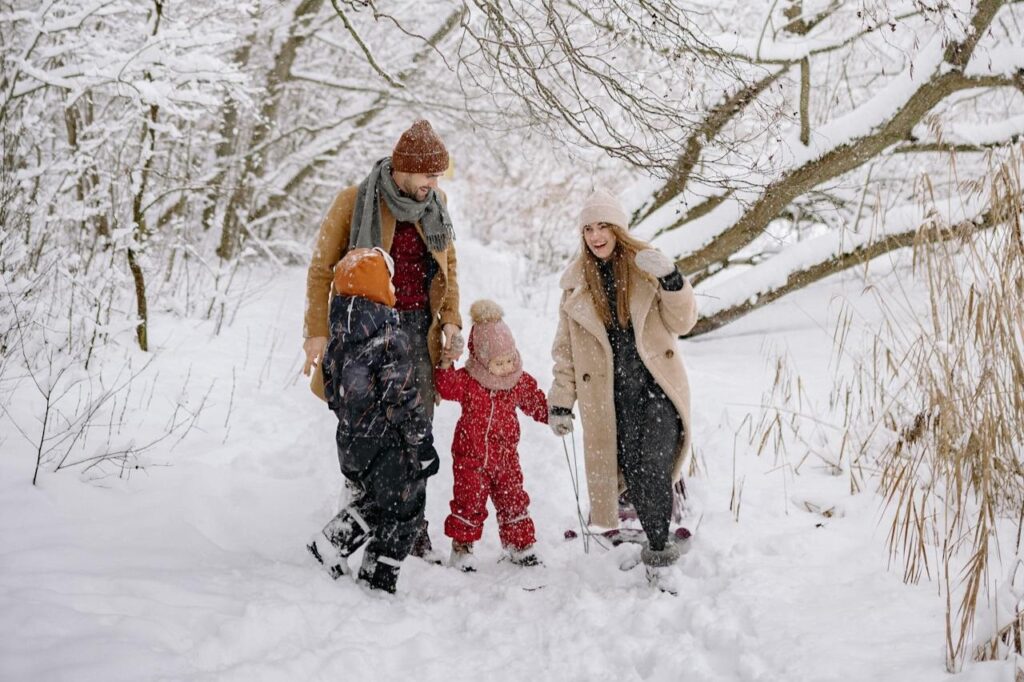
Overcoming Common Winter Exercise Barriers
Darkness and Limited Daylight
Invest in reflective gear and headlamps for safe outdoor exercise during dark hours. Schedule workouts during peak daylight hours when possible, even if it means shorter lunch break sessions.
Weather Unpredictability
Always have indoor backup plans ready. Create a home workout routine that requires minimal equipment and can be completed in 20-30 minutes when outdoor conditions are unsafe.
Social Isolation
Join winter sports clubs, fitness classes, or online communities focused on cold weather activities. The social aspect significantly improves adherence to exercise routines and provides additional mental health benefits.
Conclusion: Embrace Winter as Your Fitness Opportunity
Winter fitness doesn’t have to be a struggle against the elements – it can be an exciting opportunity to diversify your routine, boost your mental health, and discover new activities you genuinely enjoy. By combining outdoor adventures with indoor alternatives, prioritizing safety, and setting realistic goals, you can maintain and even improve your fitness throughout the coldest months.
Remember, the key to successful winter fitness is consistency, not perfection. Start with activities that appeal to you, invest in proper gear gradually, and listen to your body’s needs. Whether you’re carving down ski slopes, building snowmen with your family, or flowing through heated yoga poses, staying active during winter will leave you feeling energized, healthy, and ready to tackle whatever the season brings.
Don’t let winter weather derail your fitness goals – embrace it as your secret weapon for year-round health and happiness. Your body and mind will thank you when spring arrives, and you’ll have discovered a whole new world of fitness possibilities.
Frequently Asked Questions
Q: How cold is too cold for outdoor exercise?
A: Generally, temperatures above -10°F (-23°C) are safe for most people with proper clothing. However, consider wind chill, your fitness level, and any health conditions. When in doubt, choose indoor alternatives.
Q: Do I burn more calories exercising in cold weather?
A: Yes, your body burns additional calories to maintain core temperature in cold conditions. However, the difference is typically modest (5-10% increase) and shouldn’t be the primary motivation for winter exercise.
Q: What’s the best way to warm up for cold weather exercise?
A: Start with 5-10 minutes of light indoor movement to raise your core temperature, then do dynamic stretches outdoors before increasing intensity. Never stretch cold muscles in freezing temperatures.
Q: How can I prevent my water bottle from freezing during outdoor workouts?
A: Use insulated bottles, keep them close to your body, or consider warm beverages in a thermos. Some athletes add a small amount of sports drink to lower the freezing point.
Q: Is it safe to exercise outdoors with asthma during winter?
A: Cold air can trigger asthma symptoms, so consult your doctor first. If cleared to exercise, warm up indoors, use a scarf over your mouth and nose, and always carry your rescue inhaler.