
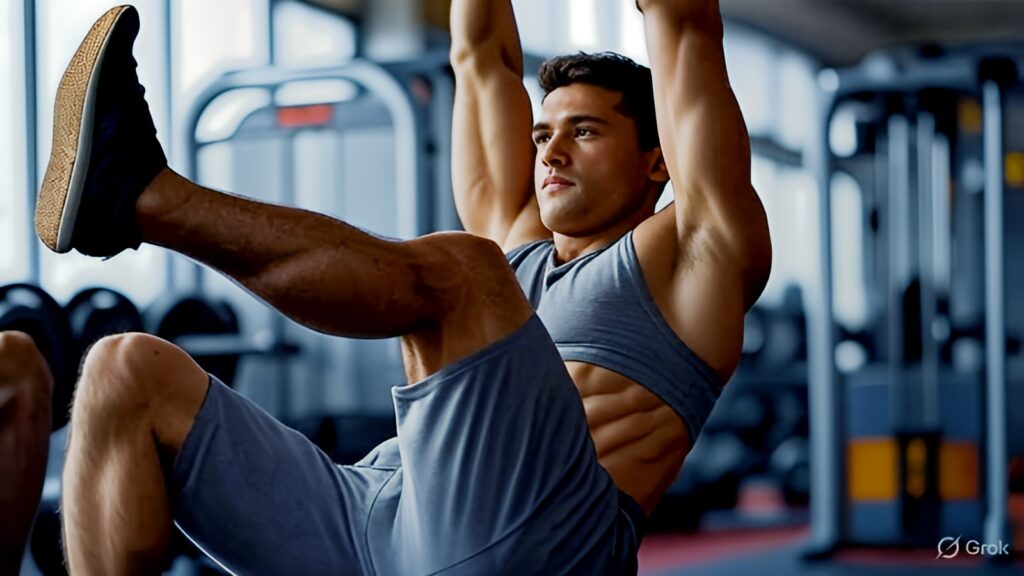
The pursuit of sculpted abs is one of the most common fitness goals, yet it remains shrouded in misconceptions. Many people believe that simply achieving a low body fat percentage will automatically reveal a chiseled six-pack. While body fat reduction is undeniably crucial, the reality is far more nuanced. Understanding the relationship between body fat percentage, muscle development, and individual factors is essential for anyone serious about achieving visible abdominal muscles.
What Body Fat Percentage Do You Need to See Abs?
The visibility of your abdominal muscles depends heavily on your body fat percentage, but the exact threshold varies significantly between individuals and genders.
Body Fat Thresholds for Men
For men, visible abs typically begin to appear at different body fat percentages:
- 15-20% Body Fat: At this level, you might notice some definition in your upper abdominal muscles, especially when flexing or in good lighting
- 12-15% Body Fat: The outline of your abs becomes more apparent, with the upper two blocks of the rectus abdominis starting to show
- 10-12% Body Fat: This is generally considered the threshold where most men will see clear abdominal definition
- 8-10% Body Fat: Well-defined six-pack abs with visible separation between muscle groups
- 6-8% Body Fat: Competition-level definition with deep cuts and visible obliques
Body Fat Thresholds for Women
Women naturally carry higher body fat percentages and require different thresholds:
- 20-24% Body Fat: Some abdominal definition may be visible, particularly in the upper abs
- 18-20% Body Fat: Clearer muscle definition begins to emerge
- 16-18% Body Fat: Well-defined abs become visible for most women
- 14-16% Body Fat: Competition-level definition with pronounced muscle separation
Individual Variations Matter
It’s crucial to understand that these percentages are general guidelines. Factors that influence ab visibility include:
- Genetics: Some people naturally store less fat in their midsection
- Muscle development: Larger abdominal muscles are visible at higher body fat percentages
- Body type: Ectomorphs, mesomorphs, and endomorphs respond differently to training and diet
- Age: Metabolism and muscle mass naturally decline with age, affecting ab visibility
Why Low Body Fat Alone Isn’t Enough
The biggest misconception about achieving sculpted abs is that low body fat percentage is the only requirement. This “abs are made in the kitchen” mentality, while partially true, overlooks a critical component: muscle development.
The Muscle Development Factor
Your abdominal muscles need to be sufficiently developed to show through even at low body fat percentages. Think of it this way: if you have minimal muscle mass in your core, even at 8% body fat, there may not be enough muscle definition to create the sculpted appearance you’re seeking.
Key points about muscle development:
- Progressive overload: Your abs need to be trained with increasing resistance, just like any other muscle group
- Full range of motion: Exercises should work the muscles through their complete range of motion
- Consistency: Regular training over months and years is required to build substantial muscle mass
The Role of Body Composition
Body recomposition—simultaneously building muscle while losing fat—is often more effective than focusing solely on fat loss. This approach ensures you’re developing the underlying musculature while revealing it through fat reduction.
Comprehensive Training for Sculpted Abs
Effective abdominal training goes beyond endless crunches. A well-rounded approach targets all areas of your core while incorporating progressive overload principles.
Upper Abdominal Training
The upper portion of your rectus abdominis responds well to:
- Weighted crunches: 3 sets of 12-15 reps with added resistance
- Cable crunches: 3 sets of 15-20 reps with controlled movement
- Decline sit-ups: 3 sets of 10-15 reps focusing on the eccentric portion
Lower Abdominal Training
The lower abs require exercises that involve hip flexion:
- Hanging leg raises: 3 sets of 8-12 reps with controlled movement
- Reverse crunches: 3 sets of 15-20 reps focusing on bringing knees to chest
- Mountain climbers: 3 sets of 30 seconds for dynamic core engagement
Oblique Development
Your obliques create the “V-cut” appearance and overall core width:
- Russian twists: 3 sets of 20 reps per side with weight
- Side planks: 3 sets of 30-60 seconds per side
- Bicycle crunches: 3 sets of 15 reps per side with slow, controlled movement
Training Frequency and Recovery
Unlike what many believe, your abs can be trained frequently due to their high recovery capacity:
- Frequency: 4-6 times per week for dedicated ab training
- Volume: 12-20 sets per week across all abdominal muscles
- Recovery: 24-48 hours between intense sessions targeting the same muscle groups
Nutrition Strategies for Visible Abs
The saying “abs are revealed in the kitchen” holds significant truth. Your nutrition strategy must align with your body composition goals.
Creating the Right Caloric Environment
Your caloric intake should match your primary goal:
For Fat Loss (Revealing Existing Muscle):
- Maintain a 300-500 calorie deficit below your maintenance level
- Focus on preserving muscle mass while losing fat
- Expect 1-2 pounds of fat loss per week
For Muscle Building (Developing Abs):
- Maintain a 200-300 calorie surplus above maintenance
- Prioritize muscle growth while minimizing fat gain
- Accept that abs may be less visible during this phase
Macronutrient Distribution
Optimal macronutrient ratios support both muscle development and fat loss:
Protein: 1.2-1.6 grams per pound of body weight
- Essential for muscle protein synthesis
- Higher protein intake preserves muscle during caloric deficits
- Sources: lean meats, fish, eggs, dairy, legumes
Carbohydrates: 0.8-1.2 grams per pound of body weight
- Fuel intense training sessions
- Time around workouts for optimal performance
- Sources: rice, oats, potatoes, fruits, vegetables
Fats: 0.3-0.5 grams per pound of body weight
- Support hormone production and nutrient absorption
- Essential for overall health and recovery
- Sources: nuts, oils, avocados, fatty fish
Meal Timing and Frequency
While total daily intake matters most, strategic timing can optimize results:
- Pre-workout: Consume carbohydrates 1-2 hours before training
- Post-workout: Combine protein and carbohydrates within 2 hours
- Meal frequency: 3-6 meals per day based on personal preference and schedule
Gender-Specific Considerations
Men and women face different challenges when pursuing visible abs due to physiological differences.
Challenges for Women
Women face unique obstacles in achieving visible abs:
Hormonal Fluctuations:
- Menstrual cycle affects water retention and fat distribution
- Estrogen influences fat storage patterns, particularly in the lower body
- Hormonal birth control can impact body composition
Higher Essential Body Fat:
- Women require higher body fat percentages for optimal health
- Achieving very low body fat can disrupt hormonal function
- Sustainable ab visibility typically occurs at 16-20% body fat
Training Considerations:
- Women often respond well to higher training volumes
- Focus on compound movements that engage the entire core
- Include exercises that target the deep stabilizing muscles
Considerations for Men
Men typically find it easier to achieve visible abs but face their own challenges:
Fat Distribution Patterns:
- Men tend to store fat in the abdominal region first
- Lower abs are often the last area to show definition
- Genetics play a significant role in fat loss patterns
Muscle Building Advantages:
- Higher testosterone levels support muscle development
- Generally respond well to heavy, progressive overload training
- Can typically maintain visible abs at slightly higher body fat percentages
Common Mistakes and How to Avoid Them
Understanding common pitfalls can accelerate your progress toward sculpted abs.
Training Mistakes
Overemphasis on Isolation Exercises:
- Compound movements like squats and deadlifts engage the core significantly
- Include both isolation and compound exercises in your routine
- Don’t neglect other muscle groups in favor of endless ab work
Neglecting Progressive Overload:
- Your abs need increasing challenge to grow, just like other muscles
- Add weight, increase reps, or extend time under tension progressively
- Track your workouts to ensure consistent progression
Nutrition Mistakes
Extreme Caloric Restrictions:
- Severe deficits can lead to muscle loss and metabolic slowdown
- Aim for moderate, sustainable deficits of 300-500 calories
- Include regular diet breaks to maintain metabolic health
Ignoring Micronutrients:
- Focus on nutrient-dense whole foods
- Ensure adequate vitamin and mineral intake
- Consider supplementation if dietary intake is insufficient
Age-Related Factors and Long-Term Maintenance
Achieving and maintaining visible abs becomes more challenging with age, but it’s certainly not impossible.
Age-Related Changes
Metabolic Slowdown:
- Basal metabolic rate decreases by approximately 2-3% per decade after age 30
- Muscle mass naturally declines without resistance training
- Hormonal changes affect fat distribution and muscle building capacity
Adaptation Strategies:
- Increase training volume gradually to compensate for slower recovery
- Focus on compound movements that provide the most bang for your buck
- Prioritize sleep and stress management for optimal recovery
Long-Term Maintenance
Maintaining visible abs requires a sustainable approach:
Lifestyle Integration:
- Develop habits that support your goals long-term
- Find physical activities you genuinely enjoy
- Create flexible nutrition strategies that fit your lifestyle
Periodic Assessment:
- Regularly evaluate your progress and adjust strategies as needed
- Be willing to modify your approach based on life circumstances
- Focus on overall health and well-being, not just aesthetics
Measuring Progress Beyond the Scale
Traditional weight measurements don’t tell the complete story when pursuing sculpted abs.
Body Composition Tracking
DEXA Scans: Most accurate method for measuring body fat percentage and muscle mass
Bioelectrical Impedance: Convenient but less accurate, best for tracking trends
Progress Photos: Visual documentation of changes in muscle definition
Circumference Measurements: Track waist, hip, and other key measurements
Performance Metrics
Track improvements in:
- Core strength and endurance
- Exercise progression (weight, reps, time)
- Overall athletic performance
- Energy levels and recovery
The Bottom Line: A Holistic Approach
Achieving sculpted abs with a low body fat percentage requires a comprehensive approach that goes far beyond simply reducing calories. Success depends on the synergy between adequate muscle development, appropriate body fat levels, consistent training, proper nutrition, and individual factors like genetics and age.
The most effective strategy combines:
- Progressive resistance training targeting all areas of the core
- Appropriate caloric intake aligned with your primary goal (muscle building or fat loss)
- Adequate protein intake to support muscle development and preservation
- Patience and consistency over months and years
- Realistic expectations based on your individual circumstances
Remember that visible abs are just one aspect of overall health and fitness. While they can be a motivating goal, prioritize sustainable habits that support your long-term well-being. The journey toward sculpted abs will improve your overall strength, posture, and functional movement patterns—benefits that extend far beyond aesthetics.
Whether you’re just starting your fitness journey or looking to take your physique to the next level, understanding that low body fat percentage is necessary but not sufficient for sculpted abs will help you develop a more effective and sustainable approach to achieving your goals.
Frequently Asked Questions
Q: How long does it take to see visible abs?
A: The timeline varies greatly depending on your starting point, genetics, and consistency. Generally, expect 3-6 months of dedicated training and nutrition to see significant changes, with 6-12 months for well-defined abs.
Q: Can I get abs without going to the gym?
A: Yes, bodyweight exercises can effectively develop abdominal muscles. However, progressive overload becomes more challenging without equipment, potentially limiting long-term development.
Q: Is it possible to have abs and still have a higher body fat percentage?
A: While some muscle definition may be visible at higher body fat percentages, truly sculpted abs typically require the lower ranges mentioned in this article.
Q: Do I need to do cardio to get visible abs?
A: Cardio can help create the caloric deficit needed for fat loss, but it’s not strictly necessary if you can achieve the deficit through diet alone. However, cardiovascular exercise offers numerous health benefits beyond fat loss.
Q: Why can I feel my abs but not see them?
A: This indicates that you have developed abdominal muscle strength and size, but your body fat percentage is still too high for the muscles to be visually apparent. Continue focusing on fat loss while maintaining your training routine.