
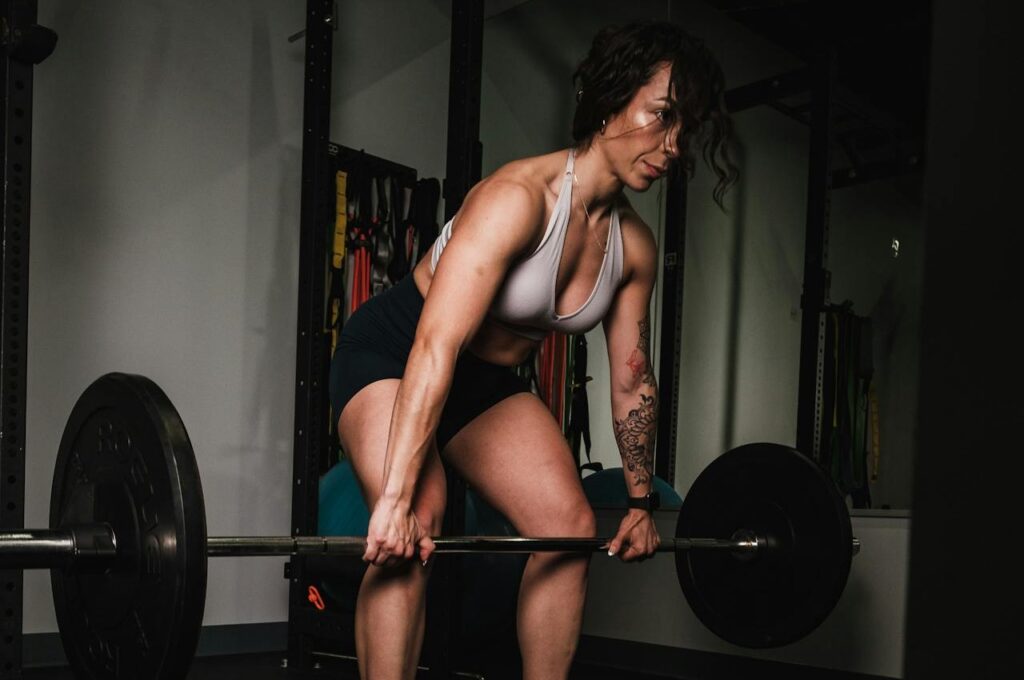
Muscle endurance testing is a cornerstone of comprehensive fitness assessment, providing valuable insights into your body’s ability to sustain repeated muscular contractions over time. Unlike strength testing that measures maximum force output, muscle endurance tests evaluate how long your muscles can perform before fatigue sets in. This comprehensive guide will walk you through three essential muscle endurance tests, advanced variations, and how to use your results to optimize your fitness journey.
Why Muscle Endurance Testing Matters for Your Fitness Goals
Muscular endurance serves as a critical foundation for overall fitness performance, daily activities, and injury prevention. When you understand your current endurance capacity, you can design more effective training programs and track meaningful progress over time.
The Science Behind Muscle Endurance
Muscle endurance reflects your body’s ability to deliver oxygen and nutrients to working muscles while efficiently removing metabolic waste products. This capacity directly impacts your performance in activities ranging from climbing stairs to completing high-intensity workouts.
Research shows that individuals with better muscular endurance experience:
- Reduced risk of injury during physical activities
- Improved posture and core stability
- Enhanced performance in both cardiovascular and strength training
- Better functional movement patterns for daily tasks
When to Perform Muscle Endurance Tests
Fitness professionals recommend conducting muscle endurance assessments:
- Before starting a new exercise program
- Every 6-8 weeks to track progress
- After recovering from injury or extended training breaks
- When preparing for specific athletic events or challenges
How to Properly Measure Your Muscular Endurance
Effective muscle endurance testing requires standardized protocols, proper form, and consistent conditions. Unlike maximum strength tests that focus on single repetitions, endurance tests emphasize sustained performance until muscular fatigue occurs.
Pre-Test Preparation Guidelines
Before conducting any muscle endurance test, ensure you:
- Complete a 5-10 minute dynamic warm-up
- Avoid intense exercise 24-48 hours prior to testing
- Stay properly hydrated and well-rested
- Use consistent testing conditions (time of day, environment)
- Have a spotter or trainer present for safety
Understanding Test Termination Criteria
Muscle endurance tests should be stopped when:
- You can no longer maintain proper form
- You experience pain or discomfort
- You reach voluntary exhaustion
- You achieve the predetermined time limit (for timed tests)
Upper Body Endurance: The Push-Up Test
The push-up test remains the gold standard for assessing upper body muscular endurance, targeting the chest, shoulders, triceps, and core stabilizers simultaneously.
Standard Push-Up Test Protocol
Starting Position:
- Begin in a plank position with hands placed slightly wider than shoulder-width
- Maintain a straight line from head to heels
- Keep feet together or slightly apart for stability
- Engage core muscles throughout the movement
Execution:
- Lower your body until your chest nearly touches the floor
- Push back up to the starting position with full arm extension
- Maintain proper form throughout each repetition
- Continue until you can no longer perform a complete push-up with correct form
Performance Benchmarks and Standards
Military Standards (Ages 17-21):
- Males: 35+ repetitions (excellent)
- Females: 13+ repetitions (excellent)
General Fitness Standards:
- Excellent: 30+ reps (men), 20+ reps (women)
- Good: 20-29 reps (men), 15-19 reps (women)
- Average: 10-19 reps (men), 10-14 reps (women)
- Below Average: <10 reps (both genders)
Push-Up Test Modifications
Beginner Modifications:
- Knee Push-Ups: Perform push-ups from knees instead of toes
- Incline Push-Ups: Use a bench or elevated surface to reduce difficulty
- Wall Push-Ups: Stand arm’s length from a wall and push against it
Advanced Variations:
- Diamond Push-Ups: Form a diamond shape with hands to increase tricep engagement
- Single-Arm Push-Ups: Ultimate test of unilateral upper body endurance
- Weighted Push-Ups: Add resistance with a weighted vest or plate
Lower Body Endurance: The Wall Squat Test
The wall squat test, also known as the wall sit, provides an excellent assessment of lower body muscular endurance, particularly targeting the quadriceps, glutes, and calves.
Wall Squat Test Setup and Execution
Proper Positioning:
- Stand with your back against a wall
- Walk your feet forward approximately 2 feet from the wall
- Slide down until your thighs are parallel to the floor
- Ensure your knees are at 90-degree angles
- Keep your back flat against the wall
- Place arms at your sides or cross them over your chest
Test Protocol:
- Hold the position for as long as possible
- Maintain proper form throughout the test
- Stop when you can no longer hold the 90-degree position
- Record the total time held in seconds
Wall Squat Performance Standards
Excellent Performance:
- Men: 102+ seconds
- Women: 60+ seconds
Good Performance:
- Men: 76-101 seconds
- Women: 46-59 seconds
Average Performance:
- Men: 58-75 seconds
- Women: 35-45 seconds
Alternative Lower Body Endurance Tests
Bodyweight Squat Test:
- Perform continuous squats to a 90-degree knee angle
- Count total repetitions until form breakdown
- Target: 25+ repetitions for good endurance
Single-Leg Squat Test:
- Test unilateral leg strength and endurance
- Perform on each leg separately
- Focus on balance and control
Core Endurance: The Plank Hold Test
Core endurance testing evaluates the stability and endurance of your deep abdominal muscles, which are crucial for posture, balance, and overall functional movement.
Standard Plank Hold Protocol
Setup:
- Begin in a forearm plank position
- Place elbows directly under shoulders
- Maintain a straight line from head to heels
- Engage core muscles and avoid sagging hips
- Keep neck in neutral position
Execution:
- Hold the position for maximum time
- Breathe normally throughout the test
- Stop when you can no longer maintain proper form
- Record total time in seconds
Plank Hold Performance Benchmarks
Excellent Standards:
- Men: 120+ seconds
- Women: 90+ seconds
Good Standards:
- Men: 90-119 seconds
- Women: 60-89 seconds
Average Standards:
- Men: 60-89 seconds
- Women: 45-59 seconds
Advanced Core Endurance Variations
Side Plank Test:
- Test lateral core stability
- Perform on both sides
- Target: 60+ seconds each side
Plank with Leg Lifts:
- Add dynamic movement to increase difficulty
- Alternate lifting each leg while maintaining plank position
McGill’s Core Endurance Test Battery:
- Combines trunk flexor, extensor, and lateral endurance tests
- Provides comprehensive core assessment
- Used by physical therapists and sports medicine professionals
Advanced Endurance Testing Protocols
Beyond the basic three tests, several advanced protocols can provide deeper insights into your muscular endurance capacity.
Equipment-Based Endurance Tests
Resistance Band Endurance Tests:
- Use light to moderate resistance bands
- Perform high-repetition movements (50+ reps)
- Test specific muscle groups in isolation
Light Weight Endurance Tests:
- Use 40-60% of your one-repetition maximum
- Aim for 15-25 repetitions
- Excellent for sport-specific training assessment
Sport-Specific Endurance Testing
Athletic Performance Tests:
- Bosco Repetitive Jump Test: Continuous jumping for 60 seconds
- Burpee Test: Maximum burpees in 5 minutes
- Mountain Climber Test: Continuous mountain climbers for 60 seconds
Age-Specific Modifications
Youth Athletes (Ages 12-17):
- Reduce test duration by 25-30%
- Focus on proper form over maximum performance
- Include more bodyweight movement variations
Older Adults (Ages 65+):
- Emphasize safety and joint-friendly modifications
- Use chair-assisted versions when necessary
- Monitor heart rate and blood pressure responses
Safety Considerations and Best Practices
Muscle endurance testing, while generally safe, requires attention to proper form and individual limitations.
Pre-Test Health Screening
Before conducting endurance tests, consider these factors:
- Current injury status or pain
- Cardiovascular health conditions
- Previous exercise experience
- Medications that may affect performance
Warning Signs to Stop Testing
Immediately discontinue testing if you experience:
- Sharp or sudden pain
- Dizziness or lightheadedness
- Chest pain or difficulty breathing
- Excessive fatigue beyond normal muscle fatigue
Recovery and Post-Test Care
After completing endurance tests:
- Perform gentle stretching for tested muscle groups
- Stay hydrated and consume adequate nutrition
- Allow 24-48 hours before intense training
- Monitor for delayed onset muscle soreness (DOMS)
Using Your Test Results to Improve Fitness
Understanding your muscle endurance test results is only valuable when you can translate them into actionable training strategies.
Creating Endurance-Based Training Programs
Progressive Overload Principles:
- Gradually increase repetitions by 2-5% weekly
- Add time under tension for isometric holds
- Incorporate circuit training for multiple muscle groups
Training Frequency Recommendations:
- Perform endurance training 2-3 times per week
- Allow adequate recovery between sessions
- Combine with strength and cardiovascular training
Tracking Progress Over Time
Retesting Schedule:
- Retest every 4-6 weeks for beginners
- Every 6-8 weeks for intermediate exercisers
- Every 8-12 weeks for advanced athletes
Progress Indicators:
- Increased repetitions or hold times
- Improved form and control
- Reduced perceived exertion at previous levels
- Better recovery between training sessions
Integration with Technology
Fitness Apps and Tracking:
- Use smartphone apps to time plank holds
- Record video for form analysis
- Track progress with digital fitness journals
- Share results with trainers or workout partners
Frequently Asked Questions
Q: How often should I perform muscle endurance tests?
A: For general fitness, test every 6-8 weeks. Athletes or those in specific training programs may test every 4-6 weeks to monitor progress more closely.
Q: Can I do all three tests in the same session?
A: Yes, but allow 3-5 minutes of rest between tests to ensure accurate results. Start with the test that uses the largest muscle groups (squat test) and finish with the most technically demanding (plank test).
Q: What if I can’t complete even one push-up?
A: Start with modified versions like wall push-ups or knee push-ups. Focus on building strength gradually before attempting the standard test.
Q: Are these tests suitable for people with injuries?
A: Consult with a healthcare provider or certified trainer before testing if you have current injuries. Many tests can be modified to accommodate limitations.
Q: How do my results compare to athletes?
A: Elite athletes typically score 50-100% higher than general fitness standards. Focus on your personal progress rather than comparing to athletic populations.
The Bottom Line: Building Your Endurance Foundation
Muscle endurance testing provides invaluable insights into your fitness capacity and serves as a roadmap for improvement. The three core tests—push-ups, wall squats, and plank holds—offer a comprehensive assessment of your upper body, lower body, and core endurance respectively.
Remember that endurance is trainable and improvable at any age or fitness level. Start with modifications that match your current ability, focus on proper form over maximum performance, and gradually progress as your capacity improves.
Whether you’re a fitness beginner looking to establish baseline measurements or an experienced athlete seeking to optimize performance, these muscle endurance tests will help you make informed decisions about your training program and track meaningful progress toward your goals.
Ready to test your muscle endurance? Start with a proper warm-up, choose the appropriate test modifications for your fitness level, and remember that consistency in testing conditions will give you the most accurate progress tracking over time.