
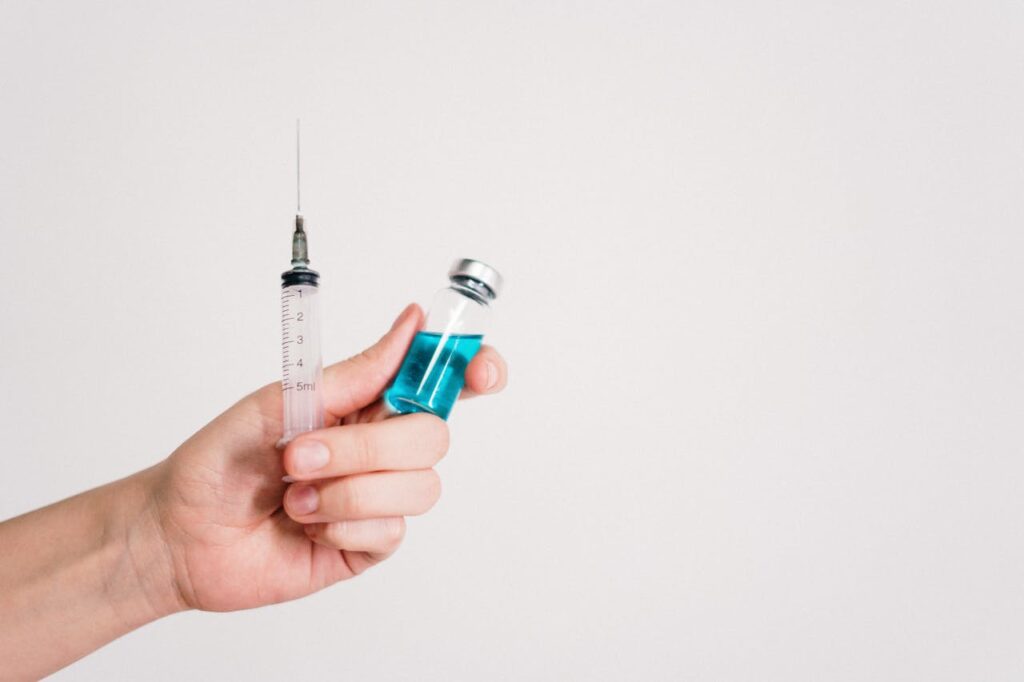
When a massive, painful cystic pimple appears seemingly overnight, many people wonder if there’s a quick solution beyond waiting weeks for it to heal naturally. Cortisone shots for acne have become an increasingly popular emergency treatment option, but do they actually work? The short answer is yes – cortisone injections can be highly effective for treating severe cystic acne, but they’re not without risks and limitations.
This comprehensive guide will explore everything you need to know about cortisone shots for acne, including how they work, their effectiveness, potential side effects, and whether they might be right for your specific situation.
What Are Cortisone Shots for Acne?
Cortisone shots, also known as intralesional corticosteroid injections, involve injecting a diluted corticosteroid medication directly into individual acne cysts or nodules. The most commonly used medication is triamcinolone acetonide, which is mixed with saline to create a concentration typically ranging from 2.5 to 10 mg/mL.
How Cortisone Shots Work
The mechanism behind cortisone injections is relatively straightforward:
- Anti-inflammatory action: Corticosteroids are powerful anti-inflammatory agents that rapidly reduce swelling, redness, and pain associated with cystic acne
- Immune system suppression: The injection temporarily suppresses the local immune response that contributes to acne inflammation
- Collagen breakdown: The medication breaks down excess collagen and tissue within the cyst, allowing it to flatten more quickly
- Pain relief: The anti-inflammatory effects provide almost immediate relief from the throbbing pain often associated with large cysts
Types of Acne Suitable for Cortisone Injections
Not all acne lesions are appropriate candidates for cortisone shots. This treatment is specifically designed for:
- Cystic acne: Large, deep, painful lesions filled with pus
- Nodular acne: Hard, inflamed bumps beneath the skin surface
- Persistent lesions: Cysts that have been present for several weeks without improvement
- Emergency situations: When you need rapid improvement for an important event
The Effectiveness of Cortisone Shots for Acne
Success Rates and Timeline
Clinical studies and dermatologist reports consistently show high success rates for cortisone injections in treating cystic acne:
- Immediate relief: Pain and pressure typically decrease within hours of injection
- Visible improvement: Most patients see significant flattening and reduction in redness within 24-48 hours
- Complete resolution: 85-95% of treated lesions show substantial improvement within 3-7 days
- Long-term results: Properly treated cysts rarely return in the same location
Factors Affecting Treatment Success
Several factors influence how well cortisone shots work for individual patients:
Lesion characteristics:
- Size and depth of the cyst
- Duration of the lesion
- Degree of inflammation present
- Location on the body
Patient factors:
- Skin type and thickness
- Overall health status
- Concurrent acne medications
- Previous response to corticosteroids
Treatment variables:
- Concentration of medication used
- Volume of injection
- Injection technique and depth
- Dermatologist’s experience level
What to Expect During a Cortisone Shot Treatment
Pre-Treatment Preparation
Before receiving a cortisone injection, your dermatologist will:
- Assess the lesion: Determine if the cyst is suitable for injection
- Review medical history: Check for contraindications or allergies
- Discuss expectations: Explain the procedure and potential outcomes
- Obtain consent: Ensure you understand the risks and benefits
The Injection Procedure
The actual cortisone shot is surprisingly quick and straightforward:
- Duration: The entire process takes less than 30 seconds per lesion
- Needle size: Extremely thin needles (30-32 gauge) are used to minimize discomfort
- Injection technique: The medication is injected directly into the center of the cyst
- Pain level: Most patients describe it as a brief pinch or pressure sensation
- Multiple lesions: Several cysts can be treated in a single session
Post-Treatment Care and Recovery
After receiving a cortisone shot:
Immediate aftercare:
- Apply ice for 10-15 minutes to reduce any swelling
- Avoid touching or manipulating the treated area
- Use gentle, non-comedogenic skincare products
- Protect the area from sun exposure
Recovery timeline:
- 0-6 hours: Initial pain relief and slight reduction in swelling
- 24-48 hours: Noticeable flattening and decreased redness
- 3-7 days: Significant improvement or complete resolution
- 2-4 weeks: Final healing and any residual marks fade
Potential Side Effects and Risks
While cortisone shots are generally safe when administered by qualified dermatologists, they do carry some risks:
Common Side Effects
Skin atrophy (depression):
- Most serious potential complication
- Occurs when too much medication is injected or concentration is too high
- Results in permanent indentations or “pitting” of the skin
- More common with repeated injections in the same area
Hypopigmentation:
- Temporary or permanent lightening of the skin
- More noticeable in patients with darker skin tones
- Usually resolves within 6-12 months
- Can be minimized with proper injection technique
Telangiectasia:
- Development of small, visible blood vessels
- Typically temporary but can be permanent
- More common on facial treatments
Rare but Serious Complications
Systemic effects:
- Temporary suppression of natural cortisol production
- Mood changes or sleep disturbances
- Blood sugar fluctuations in diabetic patients
Infection:
- Extremely rare with proper sterile technique
- Signs include increased redness, warmth, or pus
- Requires immediate medical attention
Allergic reactions:
- Very uncommon but possible
- Can range from local irritation to systemic reactions
Treatment Frequency and Limitations
How Often Can You Get Cortisone Shots?
Dermatologists typically recommend:
- Minimum interval: 6-8 weeks between injections in the same area
- Annual limit: No more than 3-4 injections per year in any single location
- Total lesions: Usually limited to 3-5 cysts per session
- Emergency use only: Not intended as a regular acne treatment strategy
Why Frequency Matters
The limitations on treatment frequency exist because:
- Cumulative effects: Repeated injections increase the risk of skin atrophy
- Collagen damage: Multiple treatments can permanently alter skin structure
- Systemic absorption: Frequent injections may affect overall hormone levels
- Treatment resistance: Overuse can reduce effectiveness over time
Cost and Insurance Coverage
Typical Pricing
The cost of cortisone shots for acne varies based on several factors:
- Geographic location: Urban areas typically charge more
- Provider type: Dermatologists vs. general practitioners
- Number of lesions: Most charge per injection
- Facility fees: Hospital vs. office-based treatments
Average costs:
- Single injection: $50-150
- Multiple lesions: $100-400 per session
- Consultation fee: $150-300 (if separate)
Insurance Considerations
Most health insurance plans cover cortisone injections for acne when:
- Treatment is deemed medically necessary
- Conservative treatments have been tried first
- The procedure is performed by a qualified dermatologist
- Proper documentation and coding are used
Tips for insurance coverage:
- Obtain pre-authorization if required
- Document failed previous treatments
- Use in-network providers when possible
- Keep detailed records of treatments
Alternative Emergency Acne Treatments
While cortisone shots are highly effective, other options exist for treating severe cystic acne:
Topical Treatments
High-strength benzoyl peroxide:
- 10% concentration for spot treatment
- Can reduce inflammation within 24-48 hours
- Less effective than injections but readily available
Prescription topical antibiotics:
- Clindamycin or erythromycin gels
- Help reduce bacterial infection
- Work best when combined with other treatments
Oral Medications
Antibiotics:
- Doxycycline or minocycline for anti-inflammatory effects
- Take several days to show improvement
- Useful for multiple active lesions
Isotretinoin (Accutane):
- Most effective long-term treatment for severe cystic acne
- Requires months of treatment
- Not suitable for emergency situations
Professional Procedures
Acne extraction:
- Manual removal of cyst contents
- Immediate relief but higher scarring risk
- Should only be performed by professionals
LED light therapy:
- Anti-inflammatory and antibacterial effects
- Requires multiple sessions
- Less dramatic results than injections
Choosing the Right Dermatologist
Qualifications to Look For
When seeking cortisone shot treatment, ensure your provider has:
- Board certification in dermatology
- Experience with intralesional injections
- Proper equipment and sterile technique
- Clear communication about risks and benefits
- Follow-up protocols for monitoring results
Questions to Ask Before Treatment
About the procedure:
- What concentration will be used?
- How many injections do you recommend?
- What are the specific risks for my skin type?
- What should I expect during recovery?
About the practice:
- How many cortisone shots do you perform monthly?
- What’s your complication rate?
- Do you offer follow-up appointments?
- What’s your policy if side effects occur?
Long-Term Acne Management Strategies
While cortisone shots provide excellent emergency relief, addressing the underlying causes of cystic acne is crucial for long-term success:
Hormonal Considerations
For women:
- Oral contraceptives can help regulate hormone-driven acne
- Spironolactone blocks androgen receptors
- Consider evaluation for PCOS or other hormonal disorders
For all patients:
- Stress management techniques
- Regular sleep schedule
- Balanced diet with limited dairy and high-glycemic foods
Skincare Routine Optimization
Daily maintenance:
- Gentle, non-comedogenic cleanser
- Salicylic acid or benzoyl peroxide treatment
- Oil-free moisturizer with SPF
- Consistent application timing
Professional treatments:
- Regular facials with extractions
- Chemical peels for prevention
- Maintenance topical prescriptions
When to Consider Cortisone Shots
Cortisone injections are most appropriate when:
- You have a large, painful cyst that’s interfering with daily activities
- An important event is approaching and you need rapid improvement
- Conservative treatments have failed for a persistent lesion
- The cyst is at risk of scarring due to its size or location
- You’re experiencing significant pain that affects sleep or concentration
Avoid cortisone shots if:
- You have a history of poor wound healing
- The lesion appears infected
- You’ve had multiple injections in the same area recently
- You’re pregnant or breastfeeding (consult your doctor first)
Frequently Asked Questions
Q: How quickly do cortisone shots work for acne?
A: Most people see initial improvement within 6-12 hours, with significant flattening and pain relief occurring within 24-48 hours. Complete resolution typically occurs within 3-7 days.
Q: Are cortisone shots painful?
A: The injection itself feels like a brief pinch or pressure sensation. Most patients find it much less painful than the original cyst. Any discomfort usually subsides within minutes.
Q: Can cortisone shots prevent acne scarring?
A: Yes, by rapidly reducing inflammation and allowing cysts to heal more quickly, cortisone shots can significantly reduce the risk of permanent scarring compared to letting cysts heal naturally.
Q: How much do cortisone shots cost?
A: Costs typically range from $50-150 per injection, though this varies by location and provider. Many insurance plans cover the treatment when medically necessary.
Q: What’s the difference between cortisone shots and steroid creams?
A: Cortisone shots deliver medication directly into the cyst at much higher concentrations than topical treatments can achieve. This allows for rapid, targeted treatment that topical steroids cannot match.
The Bottom Line: Making an Informed Decision
Cortisone shots represent one of the most effective emergency treatments available for cystic acne. When administered properly by qualified dermatologists, they offer rapid relief from pain and inflammation while significantly reducing healing time and scarring risk.
However, these injections are not without risks, and they should be viewed as an occasional emergency treatment rather than a regular acne management strategy. The potential for permanent skin changes, particularly with repeated use, makes it crucial to work with an experienced dermatologist who can properly assess your individual situation.
If you’re dealing with painful cystic acne that’s impacting your quality of life, consider scheduling a consultation with a board-certified dermatologist to discuss whether cortisone shots might be appropriate for your specific situation. Remember that the best acne treatment plan typically combines emergency interventions like cortisone shots with comprehensive long-term management strategies tailored to your unique skin needs.
Ready to explore your acne treatment options? Contact a qualified dermatologist in your area to discuss whether cortisone shots could be part of your personalized acne management plan. Don’t let painful cystic acne control your life when effective treatments are available.