Acne scars can be a persistent reminder of past breakouts, affecting both your skin’s appearance and your confidence. While these marks may seem permanent, laser treatment for acne scars offers a scientifically-proven solution that can significantly improve your skin’s texture and appearance. This comprehensive guide covers everything you need to know about laser acne scar treatment, from how it works to what you can expect during recovery.
How Laser Treatment for Acne Scars Works
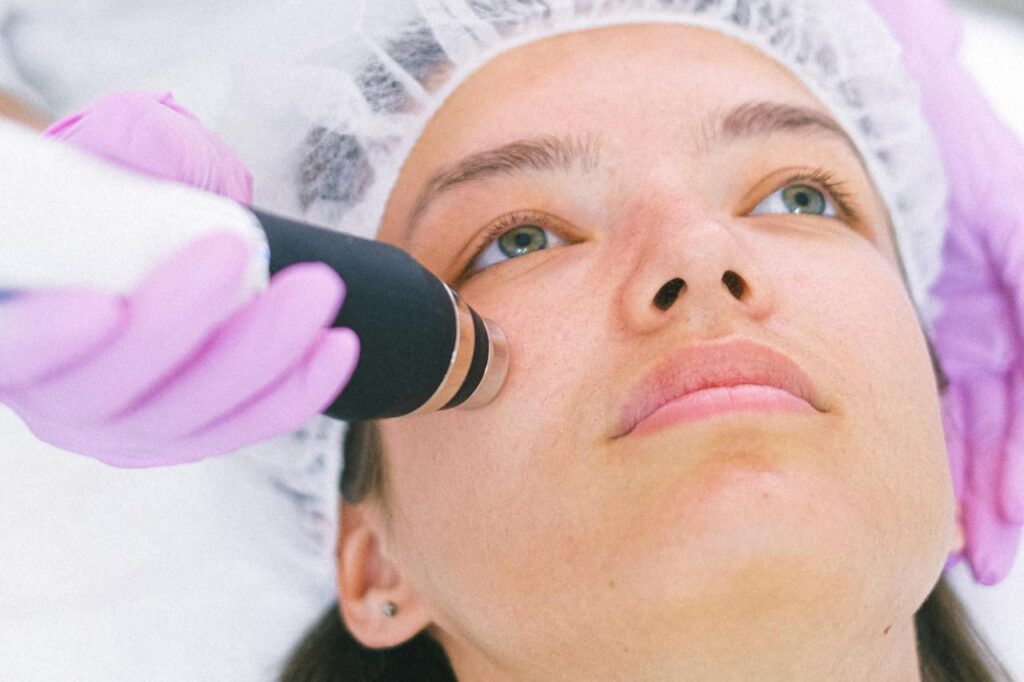
Laser treatment for acne scars uses concentrated beams of light energy to target damaged skin tissue and stimulate the body’s natural healing processes. The laser light penetrates the top layers of skin, breaking down scar tissue while encouraging the production of new, healthy collagen.
When the laser energy reaches the scarred area, it creates controlled micro-injuries that trigger your skin’s repair mechanism. This process removes damaged tissue and promotes the growth of smoother, more even skin. The treatment essentially “resurfaces” the skin, reducing the depth and visibility of acne scars.
The Science Behind Collagen Stimulation
Collagen is the protein responsible for your skin’s structure, elasticity, and smooth appearance. Acne scars form when inflammation from severe acne damages the collagen matrix beneath the skin’s surface. Laser treatment stimulates fibroblasts—the cells responsible for collagen production—to create new, organized collagen fibers that fill in depressed scars and improve overall skin texture.
Types of Laser Treatment for Acne Scars
Understanding the different types of laser treatments available helps you make an informed decision about which option might be best for your specific scar type and skin condition.
Ablative Laser Resurfacing
Ablative lasers remove the outer layers of damaged skin entirely, creating a controlled wound that heals with new, smoother skin. These treatments offer the most dramatic results but require longer recovery times.
CO2 Laser Treatment:
- Most effective for deep, severe acne scars
- Removes entire layers of damaged skin
- Requires 1-2 weeks of downtime
- Provides long-lasting, significant improvement
Erbium Laser Treatment:
- Gentler than CO2 lasers
- Better for moderate acne scars
- Shorter recovery time (5-7 days)
- Less risk of pigmentation changes
Non-Ablative Laser Resurfacing
Non-ablative lasers heat the deeper layers of skin without removing the surface layer. This approach stimulates collagen production with minimal downtime but typically requires multiple sessions for optimal results.
Nd:YAG Laser:
- Safe for all skin types
- Minimal downtime (1-2 days)
- Gradual improvement over several months
- Ideal for mild to moderate scarring
Pulsed Dye Laser:
- Targets red or pink acne scars
- Reduces inflammation and discoloration
- Minimal side effects
- Often combined with other treatments
Fractional Laser Treatment
Fractional lasers create thousands of microscopic treatment zones while leaving surrounding tissue intact. This approach combines the effectiveness of ablative treatments with faster healing times.
Fractional CO2:
- Treats only a fraction of skin surface
- Faster healing than full ablative treatment
- Excellent for mixed scar types
- 3-5 days of social downtime
Fractional Erbium:
- Gentler fractional option
- Suitable for sensitive skin
- Minimal downtime
- May require more sessions
Advanced Laser Technologies and Innovations
Modern laser technology continues to evolve, offering more precise and effective treatments for acne scars.
Picosecond Lasers
These ultra-fast lasers deliver energy in picoseconds (trillionths of a second), creating more precise tissue disruption with less heat damage. This technology is particularly effective for treating stubborn scars that haven’t responded to traditional treatments.
Radiofrequency-Assisted Lasers
Combining laser energy with radiofrequency technology allows for deeper penetration and more controlled heating of tissue. This approach can be particularly effective for treating deeper scars while minimizing surface damage.
Plasma Skin Resurfacing
While technically not a laser, plasma technology offers similar benefits by using ionized gas to resurface skin. This treatment can be an excellent alternative for patients who aren’t candidates for traditional laser therapy.
Customizing Treatment for Different Skin Types and Scar Types
Effective acne scar treatment requires a personalized approach based on your specific skin characteristics and scar patterns.
Treatment Considerations by Skin Type
Fair Skin (Fitzpatrick Types I-II):
- Can tolerate most laser types
- Lower risk of post-inflammatory hyperpigmentation
- May achieve results with fewer sessions
Medium Skin Tones (Fitzpatrick Types III-IV):
- Require careful laser selection
- Non-ablative or fractional treatments preferred
- Extended pre-treatment preparation needed
Darker Skin Tones (Fitzpatrick Types V-VI):
- Limited to specific laser types (Nd:YAG, certain fractional lasers)
- Higher risk of pigmentation changes
- May require combination with other treatments
Scar-Specific Treatment Approaches
Ice Pick Scars:
- Deep, narrow scars requiring aggressive treatment
- Best treated with punch excision followed by laser resurfacing
- May need combination therapy
Boxcar Scars:
- Wide, angular scars with defined edges
- Respond well to fractional CO2 laser
- May benefit from subcision before laser treatment
Rolling Scars:
- Broad depressions with sloping edges
- Excellent candidates for fractional laser treatment
- Often improve significantly with collagen stimulation
What to Expect During Treatment
Understanding the treatment process helps you prepare mentally and physically for your laser acne scar procedure.
Pre-Treatment Consultation
A thorough consultation with a board-certified dermatologist is essential. During this visit, your provider will:
- Assess your scar type and severity
- Evaluate your skin type and medical history
- Discuss realistic expectations and potential risks
- Create a customized treatment plan
- Provide pre-treatment instructions
During the Procedure
Preparation:
- Skin is thoroughly cleansed
- Topical anesthetic applied (30-60 minutes before treatment)
- Eye protection provided
- Treatment area marked if necessary
The Treatment Process:
- Laser settings adjusted for your specific needs
- Systematic treatment of scarred areas
- Cool air or cooling devices used for comfort
- Treatment time varies (15 minutes to 2 hours depending on area size)
Immediate Post-Treatment:
- Cooling gel or ointment applied
- Protective dressing may be applied
- Post-treatment instructions provided
- Follow-up appointment scheduled
After the Procedure
Recovery varies significantly depending on the type of laser treatment received.
First 24-48 Hours:
- Redness and swelling (similar to sunburn)
- Possible oozing or crusting with ablative treatments
- Discomfort managed with over-the-counter pain relievers
- Gentle cleansing with prescribed products
Days 3-7:
- Peeling or flaking of treated skin
- Gradual reduction in redness
- Return to normal activities (depending on treatment type)
- Continued gentle skincare routine
Weeks 2-4:
- New skin continues to develop
- Initial results become visible
- Gradual improvement in skin texture
- Sun protection remains critical
Combination Treatments for Enhanced Results
Many patients achieve optimal results by combining laser treatment with other acne scar therapies.
Microneedling with Radiofrequency
Combining microneedling with radiofrequency energy can enhance collagen production and improve treatment outcomes, particularly for deeper scars.
Chemical Peels
Light chemical peels can be used between laser sessions to maintain results and improve overall skin texture.
Dermal Fillers
Temporary fillers can be used to immediately improve the appearance of deep scars while waiting for laser treatment results to fully develop.
Subcision
This minor surgical procedure releases fibrous bands beneath rolling scars, allowing laser treatment to be more effective.
Cost Considerations and Insurance Coverage
Understanding the financial aspects of laser acne scar treatment helps you plan appropriately for your investment in clearer skin.
Treatment Costs
Laser acne scar treatment costs vary significantly based on several factors:
Factors Affecting Cost:
- Type of laser used
- Size of treatment area
- Number of sessions required
- Geographic location
- Provider’s experience and credentials
Typical Price Ranges:
- Non-ablative treatments: $300-$800 per session
- Fractional laser treatments: $800-$1,500 per session
- Ablative laser resurfacing: $1,500-$3,000 per session
- Full-face treatment packages: $2,000-$5,000
Insurance and Financing Options
Most insurance plans consider laser acne scar treatment cosmetic and don’t provide coverage. However, some options can help make treatment more affordable:
- Medical credit cards (CareCredit, Alphaeon Credit)
- Provider payment plans
- Health Savings Account (HSA) or Flexible Spending Account (FSA) funds
- Package deals for multiple sessions
Risks and Side Effects
While laser treatment for acne scars is generally safe when performed by qualified professionals, understanding potential risks helps you make an informed decision.
Common Side Effects
Immediate (First Few Days):
- Redness and swelling
- Discomfort or pain
- Temporary darkening of treated areas
- Possible blistering with aggressive treatments
Short-term (Days to Weeks):
- Peeling and flaking
- Temporary hyperpigmentation
- Increased sensitivity to sun
- Possible infection (rare with proper care)
Long-term Considerations:
- Permanent pigmentation changes (rare)
- Scarring from treatment (very rare)
- Incomplete scar improvement
- Need for additional treatments
Minimizing Risks
Choose a board-certified dermatologist or plastic surgeon with extensive laser experience. Follow all pre- and post-treatment instructions carefully, and maintain realistic expectations about results.
Preparing for Your Laser Treatment
Proper preparation significantly impacts your treatment results and recovery experience.
Pre-Treatment Requirements
4-6 Weeks Before Treatment:
- Avoid sun exposure and tanning
- Discontinue retinoids and other photosensitizing medications
- Begin using broad-spectrum sunscreen daily
- Consider starting a gentle skincare routine
1-2 Weeks Before Treatment:
- Stop using exfoliating products
- Avoid waxing or other hair removal in treatment area
- Inform your provider of any medications or supplements
- Arrange for transportation home after treatment
Day of Treatment:
- Arrive with clean, makeup-free skin
- Wear comfortable, loose-fitting clothing
- Bring sunglasses and a hat for after treatment
- Plan for rest and recovery time
Finding the Right Provider
Selecting an experienced, qualified provider is crucial for achieving safe, effective results.
Essential Qualifications
Board Certification:
- Dermatology
- Plastic Surgery
- Facial Plastic Surgery
Experience and Training:
- Specific laser training and certification
- Years of experience with acne scar treatment
- Before and after photos of similar cases
- Patient testimonials and reviews
Questions to Ask During Consultation
- How many acne scar laser treatments do you perform annually?
- What type of laser do you recommend for my specific scars?
- How many sessions will I likely need?
- What results can I realistically expect?
- What are the potential risks for my skin type?
- Can you show me before and after photos of similar cases?
Long-Term Results and Maintenance
Understanding what to expect long-term helps you maintain your investment in clearer skin.
Timeline for Results
Immediate (0-2 weeks):
- Initial healing and recovery
- Temporary worsening of appearance
- Gradual reduction in redness and swelling
Short-term (1-3 months):
- New collagen formation begins
- Initial improvement in skin texture
- Continued healing and remodeling
Long-term (3-12 months):
- Maximum collagen production
- Optimal results become apparent
- Continued gradual improvement possible
Maintaining Your Results
Sun Protection:
- Daily broad-spectrum SPF 30+ sunscreen
- Protective clothing and hats
- Avoiding peak sun hours
Skincare Routine:
- Gentle, non-irritating products
- Regular moisturizing
- Professional-grade skincare as recommended
Follow-up Treatments:
- Maintenance sessions as needed
- Combination treatments for ongoing improvement
- Regular dermatological check-ups
Frequently Asked Questions
Q: How many laser treatments will I need for my acne scars?
A: Most patients require 3-6 sessions spaced 4-8 weeks apart, depending on scar severity and laser type. Some may see significant improvement after just one aggressive treatment, while others need ongoing maintenance sessions.
Q: Is laser treatment painful?
A: Discomfort varies by treatment type. Non-ablative treatments feel like rubber band snaps, while ablative treatments can be more uncomfortable despite topical anesthesia. Most patients find the discomfort manageable and temporary.
Q: Can laser treatment completely remove my acne scars?
A: While laser treatment can dramatically improve acne scars, complete removal isn’t always possible. Most patients see 50-80% improvement in scar appearance, with some achieving even better results.
Q: How long do results last?
A: Laser treatment results are generally permanent, as the new collagen formed during healing remains. However, natural aging and sun damage can affect skin over time, and some patients choose maintenance treatments.
Q: Are there any alternatives to laser treatment for acne scars?
A: Yes, alternatives include chemical peels, microneedling, dermal fillers, subcision, and punch excision. Many patients achieve best results with combination approaches.
Take the Next Step Toward Clearer Skin
Laser treatment for acne scars represents one of the most effective solutions available for improving skin texture and reducing the appearance of acne scarring. With proper planning, realistic expectations, and an experienced provider, you can achieve significant improvement in your skin’s appearance and boost your confidence.
If you’re considering laser treatment for your acne scars, schedule a consultation with a board-certified dermatologist to discuss your options. They can evaluate your specific situation, recommend the most appropriate treatment approach, and help you develop a comprehensive plan for achieving your skin goals.
Remember that investing in professional acne scar treatment is an investment in your confidence and quality of life. With today’s advanced laser technologies and treatment approaches, clearer, smoother skin is more achievable than ever before.