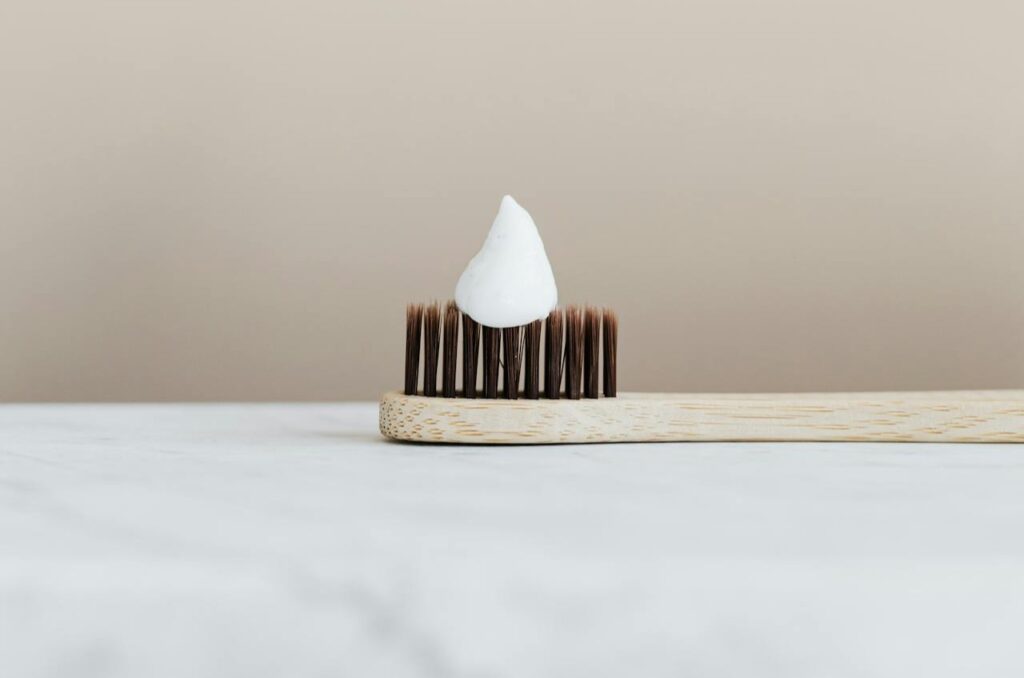
Picture this: you’re getting ready for bed when you spot a new pimple in the mirror. Suddenly, you remember hearing that toothpaste can dry out pimples overnight. Before you reach for that tube of toothpaste, stop right there. While this DIY acne treatment has been circulating for decades, dermatologists and skincare experts strongly advise against it. Here’s everything you need to know about why toothpaste on pimples is a bad idea and what you should use instead.
Why You Should Never Put Toothpaste on Pimples
The Harsh Reality of Toothpaste Ingredients
Toothpaste is formulated specifically for your teeth and gums, not your delicate facial skin. The ingredients that make toothpaste effective for oral hygiene can wreak havoc on your face:
- Sodium Lauryl Sulfate (SLS): This foaming agent can strip your skin’s natural protective barrier, leading to irritation and dryness
- Hydrogen Peroxide: While it has antibacterial properties, it’s far too harsh for facial skin and can cause chemical burns
- Baking Soda: Creates an alkaline environment that disrupts your skin’s natural pH balance
- Menthol and Mint: These cooling agents can cause burning sensations and inflammation on sensitive facial skin
- Fluoride: Designed for teeth, not skin, and can trigger contact dermatitis in some individuals
The Triclosan Myth Debunked
The toothpaste-on-pimples trend likely originated from the antibacterial ingredient triclosan, which was once common in toothpaste formulations. However, the FDA banned triclosan from consumer soaps and body washes in 2016, and most toothpaste manufacturers have since removed it from their products. This means modern toothpaste lacks even the theoretical antibacterial benefit that might have made this home remedy seem logical.
How Toothpaste Can Damage Your Skin
Using toothpaste as a spot treatment can lead to several serious skin problems:
Immediate Reactions:
- Redness and inflammation
- Burning or stinging sensations
- Skin irritation and contact dermatitis
- Excessive dryness and flaking
Long-term Consequences:
- Rebound Acne: Overdrying your skin triggers your sebaceous glands to produce more oil, potentially worsening breakouts
- Scarring: Chemical burns from harsh ingredients can leave permanent marks
- Hyperpigmentation: Inflammation can cause dark spots that take months to fade
- Compromised Skin Barrier: Damage to your skin’s protective barrier makes it more susceptible to bacteria and environmental irritants
Different Skin Types, Different Risks
The severity of toothpaste’s effects varies depending on your skin type:
- Sensitive Skin: Highest risk for immediate burning, redness, and allergic reactions
- Dry Skin: May experience severe flaking, tightness, and barrier damage
- Oily Skin: While initially seeming to “work” due to drying effects, often leads to rebound oil production
- Combination Skin: Can cause uneven dryness and irritation in different facial zones
What to Use Instead: Proven Acne Treatments
Over-the-Counter Spot Treatments
Instead of reaching for toothpaste, try these dermatologist-recommended alternatives:
Salicylic Acid (BHA):
- Penetrates pores to dissolve oil and dead skin cells
- Reduces inflammation and prevents future breakouts
- Available in concentrations from 0.5% to 2%
- Gentle enough for daily use
Benzoyl Peroxide:
- Kills acne-causing bacteria (P. acnes)
- Reduces oil production
- Available in 2.5%, 5%, and 10% strengths
- Start with lower concentrations to minimize irritation
Adapalene (Differin):
- Over-the-counter retinoid that normalizes skin cell turnover
- Prevents clogged pores and reduces inflammation
- Takes 12 weeks to see full results
- Apply only at night due to sun sensitivity
Natural and Gentle Alternatives
For those preferring natural remedies, these options are safer than toothpaste:
Tea Tree Oil:
- Natural antibacterial and anti-inflammatory properties
- Always dilute to 5-10% concentration
- Apply with a cotton swab as a spot treatment
Aloe Vera Gel:
- Soothes inflammation and promotes healing
- Provides moisture without clogging pores
- Can be used multiple times daily
Green Tea Extract:
- Rich in antioxidants that reduce inflammation
- Can be applied as a cooled tea compress
- Helps calm irritated skin
Sulfur-Based Products:
- Absorbs excess oil and has antibacterial properties
- Less irritating than benzoyl peroxide for sensitive skin
- Often combined with other acne-fighting ingredients
Professional Treatment Options
For persistent or severe acne, consider these professional treatments:
- Prescription Retinoids: Stronger than OTC options, requiring dermatologist supervision
- Topical Antibiotics: Target bacterial overgrowth in severe cases
- Chemical Peels: Professional-grade exfoliation for stubborn breakouts
- Cortisone Injections: Quick treatment for large, painful cysts
Emergency Care: What to Do If You’ve Already Used Toothpaste
If you’ve already applied toothpaste to your skin and are experiencing irritation:
- Immediately rinse the area with cool water
- Apply a gentle, fragrance-free moisturizer to restore the skin barrier
- Avoid any other active ingredients for 24-48 hours
- Use cool compresses if there’s significant inflammation
- Contact a dermatologist if you experience severe burning, blistering, or signs of chemical burn
Building an Effective Acne Prevention Routine
Rather than relying on spot treatments alone, focus on a comprehensive skincare routine:
Morning Routine:
- Gentle cleanser with salicylic acid
- Lightweight, non-comedogenic moisturizer
- Broad-spectrum SPF 30+ sunscreen
Evening Routine:
- Double cleanse if wearing makeup
- Treatment product (retinoid or BHA)
- Hydrating moisturizer
Weekly Additions:
- Clay mask for oil control (1-2 times per week)
- Gentle exfoliation with AHA (1-2 times per week)
When to See a Dermatologist
Consult a skincare professional if you experience:
- Cystic acne or nodules
- Acne that doesn’t respond to OTC treatments after 12 weeks
- Scarring or hyperpigmentation
- Emotional distress related to your skin condition
- Signs of hormonal acne (jawline and chin breakouts in adults)
The Science Behind Effective Acne Treatment
Understanding how acne forms helps explain why proper treatments work better than toothpaste:
Acne Development Process:
- Excess oil production
- Dead skin cell buildup
- Clogged pores
- Bacterial overgrowth
- Inflammation
How Proper Treatments Work:
- Exfoliation removes dead skin cells
- Oil control reduces sebum production
- Antibacterial action targets P. acnes bacteria
- Anti-inflammatory ingredients calm redness and swelling
The Bottom Line: Skip the Toothpaste
While the idea of using toothpaste on pimples might seem like a quick fix, it’s a risky practice that can cause more harm than good. The harsh ingredients in toothpaste are designed for your teeth, not your delicate facial skin. Instead, invest in proven acne treatments that are specifically formulated for skincare.
Remember, effective acne treatment takes time and consistency. Rather than looking for overnight solutions, focus on building a sustainable routine with gentle, effective products. Your skin will thank you for choosing science-backed treatments over potentially harmful DIY remedies.
Ready to start your journey to clearer skin? Begin with a gentle cleanser and a single active ingredient like salicylic acid or benzoyl peroxide. If you’re unsure about which products to choose or if your acne persists, don’t hesitate to consult with a dermatologist who can create a personalized treatment plan for your specific skin needs.
Frequently Asked Questions
Q: Can I use toothpaste on pimples just once for an emergency?
A: No, even a single application can cause skin irritation, chemical burns, or allergic reactions. It’s always better to use products specifically designed for acne treatment.
Q: What’s the fastest way to reduce a pimple overnight?
A: Apply a spot treatment containing benzoyl peroxide or salicylic acid, or use a hydrocolloid patch to draw out impurities safely.
Q: Are there any types of toothpaste that are safer for skin?
A: No type of toothpaste is recommended for skin use. Even “natural” toothpastes contain ingredients that can irritate facial skin.
Q: How long does it take for toothpaste damage to heal?
A: Minor irritation may resolve in 2-3 days, but chemical burns or severe reactions can take weeks to heal and may leave permanent scarring.
Q: What should I do if my acne isn’t responding to over-the-counter treatments?
A: If you’ve used OTC treatments consistently for 12 weeks without improvement, it’s time to see a dermatologist for stronger prescription options.