Dealing with acne when you have dry skin can feel like an impossible balancing act. Many people assume that only oily skin develops acne, but this common misconception leaves those with dry, acne-prone skin struggling to find effective treatments that don’t worsen their dryness. The truth is, dry skin acne requires a specialized approach that addresses both concerns simultaneously.
If you’re tired of choosing between clear skin and comfortable, hydrated skin, this comprehensive guide will show you exactly how to treat acne while maintaining your skin’s moisture barrier. We’ll explore the science behind dry skin acne, provide dermatologist-approved treatment strategies, and help you build a skincare routine that works for your unique skin type.
Understanding Dry Skin Acne: Why It Happens
The Science Behind Dry Skin Breakouts
Contrary to popular belief, dry skin can absolutely develop acne. When your skin lacks adequate moisture, it compensates by producing more oil, which can clog pores and lead to breakouts. Additionally, dry skin often has a compromised skin barrier, making it more susceptible to irritation and inflammation that can trigger acne formation.
Several factors contribute to dry skin acne:
- Overuse of harsh acne treatments that strip the skin of natural oils
- Environmental factors like cold weather, low humidity, and indoor heating
- Hormonal fluctuations that affect both oil production and skin hydration
- Age-related changes in skin structure and oil production
- Genetic predisposition to both dry skin and acne
Hormonal Factors in Dry Skin Acne
Hormonal acne doesn’t discriminate based on skin type. Fluctuations in androgens, estrogen, and progesterone can trigger breakouts even in those with naturally dry skin. This is particularly common during:
- Puberty and teenage years
- Menstrual cycles
- Pregnancy and postpartum periods
- Menopause
- Times of high stress
Understanding these hormonal patterns can help you anticipate and prepare for potential breakouts, adjusting your skincare routine accordingly.
How to Care for Dry, Acne-Prone Skin
The Gentle Approach to Acne Treatment
The key to successfully treating dry skin acne lies in using a gentle, balanced approach that doesn’t compromise your skin barrier. This means selecting products that fight acne while providing adequate hydration and protection.
Essential Principles:
- Start slowly with active ingredients to avoid irritation
- Layer products strategically to maximize benefits
- Prioritize skin barrier repair alongside acne treatment
- Maintain consistency for 3-4 months to see full results
Building Your Dry Skin Acne Treatment Routine
Morning Routine
Step 1: Gentle Cleansing
Use a mild, non-comedogenic cleanser that removes impurities without stripping natural oils. Look for ingredients like:
- Ceramides for barrier repair
- Hyaluronic acid for hydration
- Gentle surfactants that won’t over-dry
Step 2: Treatment Application
Apply acne treatments to clean, slightly damp skin. For dry skin, consider:
- Salicylic acid (0.5-2%): Provides gentle exfoliation without excessive drying
- Niacinamide (5-10%): Reduces inflammation and regulates oil production
- Tea tree oil (diluted): Natural antimicrobial with less drying potential than benzoyl peroxide
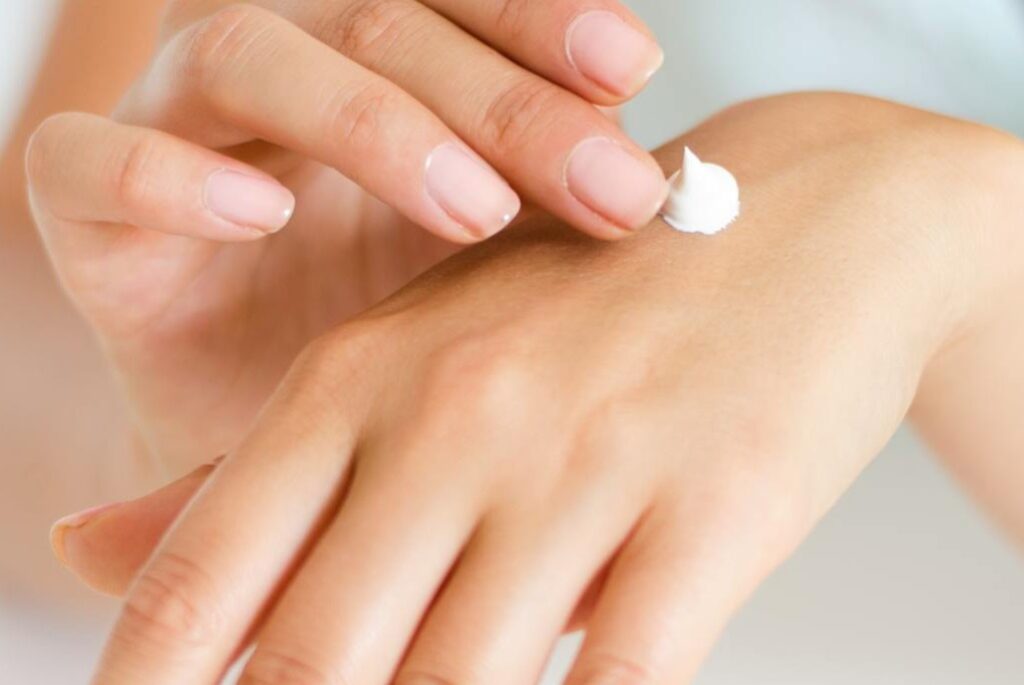
Step 3: Moisturizing
Never skip moisturizer, even when treating acne. Choose oil-free, non-comedogenic formulas with:
- Hyaluronic acid for deep hydration
- Ceramides for barrier repair
- Dimethicone for protective sealing
Step 4: Sun Protection
Use a broad-spectrum SPF 30+ sunscreen daily. Many acne treatments increase photosensitivity, making sun protection crucial.
Evening Routine
Step 1: Double Cleansing (if wearing makeup)
Start with a gentle makeup remover or cleansing oil, followed by your regular cleanser.
Step 2: Active Treatment
Evening is ideal for stronger acne treatments:
- Retinoids: Start with low concentrations (0.025%) and gradually increase
- Benzoyl peroxide (2.5-5%): Use sparingly and always follow with moisturizer
- Azelaic acid: Gentle option that treats acne while improving skin texture
Step 3: Barrier Repair
Apply a richer moisturizer or facial oil to support overnight skin repair. Look for:
- Squalane for lightweight hydration
- Jojoba oil for sebum regulation
- Rosehip oil for anti-inflammatory benefits
Strategic Product Layering and Timing
Understanding how to layer products correctly can make the difference between success and irritation:
- Thinnest to thickest consistency
- Wait 10-15 minutes between active ingredients
- Apply moisturizer before acne treatments if you have very sensitive skin
- Use different actives on alternating nights to prevent over-treatment
Best Products and Ingredients for Dry Acne-Prone Skin
Gentle Cleansers
- CeraVe Foaming Facial Cleanser: Contains ceramides and hyaluronic acid
- La Roche-Posay Toleriane Caring Wash: Ultra-gentle formula for sensitive skin
- Neutrogena Ultra Gentle Daily Cleanser: Fragrance-free and non-comedogenic
Effective Acne Treatments
- Paula’s Choice 2% BHA Liquid Exfoliant: Gentle salicylic acid treatment
- The Ordinary Niacinamide 10% + Zinc 1%: Reduces inflammation and oil production
- Differin Gel (Adapalene 0.1%): Over-the-counter retinoid for acne treatment
Hydrating Moisturizers
- Neutrogena Hydro Boost Water Gel: Lightweight, hyaluronic acid-based
- CeraVe Daily Moisturizing Lotion: Contains ceramides and MVE technology
- Clinique Dramatically Different Moisturizing Gel: Oil-free and non-comedogenic
Seasonal Adjustments for Dry Climate Acne
Winter Skincare Modifications
Cold weather and indoor heating can exacerbate dry skin acne. Adjust your routine by:
- Increasing moisturizer frequency to twice daily
- Using a humidifier in your bedroom
- Switching to cream-based cleansers instead of foaming formulas
- Reducing active ingredient frequency to prevent over-drying
Summer Considerations
Hot, humid weather requires different adjustments:
- Lighter moisturizers to prevent feeling greasy
- Increased sun protection due to photosensitizing acne treatments
- More frequent gentle cleansing if you sweat heavily
- Oil-blotting papers instead of over-washing
Age-Specific Considerations
Teen Dry Skin Acne
Teenage skin with dryness and acne requires special attention:
- Hormonal fluctuations are more dramatic
- Skin barrier is still developing
- Over-treatment is common due to impatience
- Education about gentle approaches is crucial
Adult Dry Skin Acne
Adult acne with dry skin often involves:
- Hormonal changes from pregnancy, menopause, or stress
- Decreased natural oil production with age
- Previous damage from harsh treatments
- Need for anti-aging ingredients alongside acne treatment
Makeup Compatibility and Application Tips
Choosing Acne-Safe Makeup
When you have dry, acne-prone skin, makeup selection is crucial:
- Non-comedogenic foundations that won’t clog pores
- Hydrating primers to create a smooth base
- Mineral makeup for sensitive skin
- Regular brush cleaning to prevent bacterial buildup
Application Techniques
- Use a damp beauty sponge for gentle application
- Avoid over-powdering which can emphasize dry patches
- Remove makeup thoroughly every night
- Give skin makeup-free days when possible
Lifestyle Factors That Impact Dry Skin Acne
Dietary Considerations
While diet doesn’t directly cause acne, certain foods may influence both skin hydration and breakouts:
- Omega-3 fatty acids support skin barrier function
- Adequate water intake maintains skin hydration
- Limiting dairy and high-glycemic foods may help some individuals
- Antioxidant-rich foods support overall skin health
Environmental Factors
- Use a humidifier in dry climates
- Protect skin from harsh winds and extreme temperatures
- Choose gentle laundry detergents for pillowcases and towels
- Avoid hot showers which can strip natural oils
When to See a Dermatologist
Consult a dermatologist if you experience:
- Persistent acne after 3-4 months of consistent treatment
- Severe dryness or irritation from acne treatments
- Cystic or nodular acne that doesn’t respond to over-the-counter treatments
- Scarring or hyperpigmentation from previous breakouts
- Hormonal acne that coincides with other symptoms
A dermatologist can prescribe stronger treatments like:
- Prescription retinoids
- Topical antibiotics
- Hormonal therapies
- Professional treatments like chemical peels
Building Long-Term Success
Patience and Consistency
Treating dry skin acne requires patience. Most people see initial improvements in 6-8 weeks, with full results taking 3-4 months. Key success factors include:
- Consistent daily routine
- Gradual introduction of new products
- Regular assessment and adjustment
- Professional guidance when needed
Tracking Your Progress
Keep a skincare journal to monitor:
- Product reactions and tolerability
- Breakout patterns and triggers
- Seasonal changes in skin condition
- Overall improvement over time
Conclusion: Your Path to Clear, Comfortable Skin
Successfully treating acne when you have dry skin is absolutely achievable with the right approach. The key lies in understanding that your skin needs both acne-fighting ingredients and intensive hydration. By choosing gentle, non-comedogenic products, building a consistent routine, and making seasonal adjustments, you can achieve the clear, comfortable skin you’ve been seeking.
Remember that everyone’s skin is unique, and what works for others may need to be adapted for your specific needs. Start slowly, be patient with the process, and don’t hesitate to seek professional guidance when needed. With the right strategy and consistent care, you can successfully manage both dryness and acne for healthier, happier skin.
Frequently Asked Questions
Q: Can I use benzoyl peroxide if I have dry skin?
A: Yes, but start with a low concentration (2.5%) and always follow with a good moisturizer. Consider applying moisturizer first as a buffer if your skin is very sensitive.
Q: How often should I wash my face if I have dry, acne-prone skin?
A: Twice daily is usually sufficient – once in the morning and once at night. Over-cleansing can worsen dryness and potentially trigger more breakouts.
Q: Is it normal for my skin to get worse before it gets better?
A: Yes, this is called “purging” and is common when starting new acne treatments, especially retinoids. It typically lasts 4-6 weeks before improvement begins.
Q: Can I use face oils if I have acne?
A: Yes, certain non-comedogenic oils like jojoba, squalane, and rosehip can actually help balance oil production and support the skin barrier without causing breakouts.
Q: Should I avoid moisturizer during acne breakouts?
A: Never skip moisturizer, even during active breakouts. Dry skin can actually worsen acne by triggering increased oil production and compromising the skin barrier.