Struggling with acne can feel overwhelming, especially when you’re bombarded with countless treatment options. Professional facials for acne have gained popularity as an effective complement to traditional skincare routines, but with so many types available, how do you know which facial works best for your specific acne concerns?
The truth is, there’s no one-size-fits-all solution for acne treatment. The best facial for your acne depends on several factors, including your acne type, severity, skin sensitivity, and budget. This comprehensive guide will help you navigate the world of professional acne facials, understand your options, and make an informed decision about which treatment is right for you.
Understanding Acne and How Facials Can Help
Before diving into specific facial types, it’s important to understand that facials are not a cure for acne. However, when performed by qualified professionals and combined with a proper skincare routine, facials can significantly help calm acne conditions, reduce inflammation, and improve overall skin texture.
Professional acne facials work by:
- Deep cleansing pores to remove excess oil and debris
- Performing safe extractions to clear blackheads and whiteheads
- Reducing inflammation through targeted treatments
- Improving skin texture and reducing hyperpigmentation
- Providing relaxation and stress relief, which can indirectly benefit acne
Types of Facials for Acne-Prone Skin
Classic Facial
The classic facial is often the best starting point for those new to professional acne treatments. This foundational treatment is suitable for most skin types, including normal, combination, and mildly acne-prone skin.
What it includes:
- Deep cleansing with acne-fighting ingredients
- Gentle exfoliation to remove dead skin cells
- Steam treatment to open pores
- Manual extractions of blackheads and whiteheads
- Soothing mask application
- Moisturizer and SPF application
Best for: Mild acne, occasional breakouts, maintenance treatments
Average cost: $75-$150
Frequency: Every 4-6 weeks
Decongesting Facial
The decongesting facial is specifically designed for oily and acne-prone skin. This intensive treatment focuses on deep pore cleansing and is ideal for those dealing with persistent blackheads and clogged pores.
What it includes:
- Thorough double cleansing
- Enzyme or chemical exfoliation
- Extended steam treatment
- Comprehensive extractions
- Purifying clay or charcoal mask
- Oil-free moisturizer application
Best for: Moderate acne, oily skin, frequent blackheads
Average cost: $70-$200
Frequency: Every 3-4 weeks initially, then monthly for maintenance
LED Light Therapy Facial
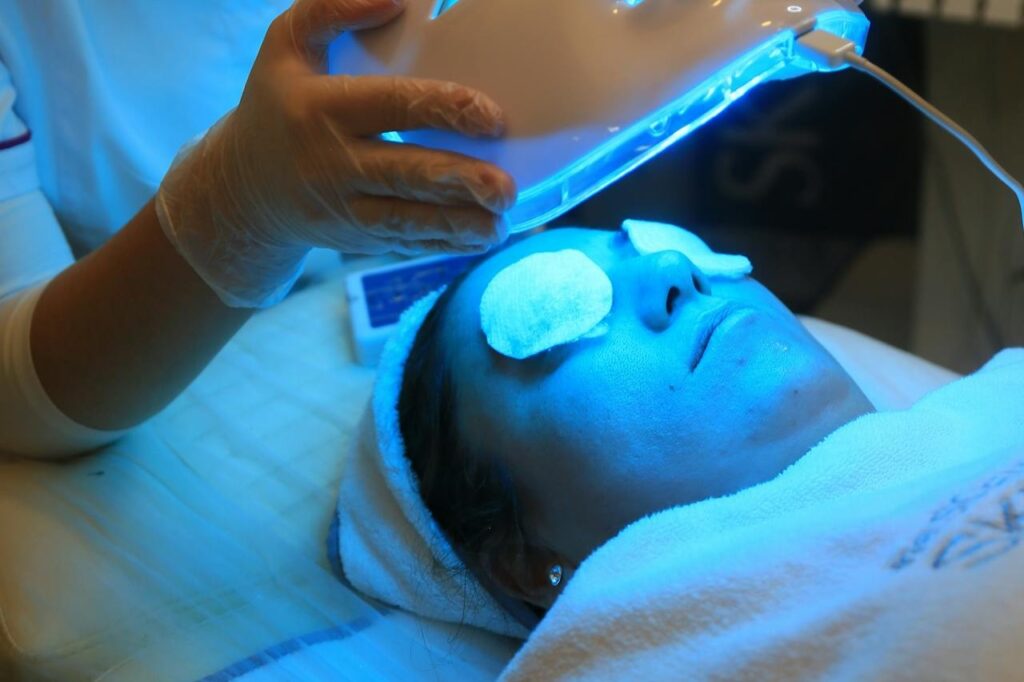
LED (Light Emitting Diode) facial treatments use specific wavelengths of light to target acne-causing bacteria and reduce inflammation. This non-invasive treatment is particularly effective for active acne breakouts.
Light types used:
- Blue light (415nm): Kills acne-causing bacteria (P. acnes)
- Red light (660nm): Reduces inflammation and promotes healing
- Near-infrared light (850nm): Penetrates deeper for enhanced healing
Best for: Active acne, inflammatory acne, sensitive skin that can’t tolerate aggressive treatments
Average cost: $35-$200 per session
Frequency: 2-3 times per week initially, then weekly maintenance
Microdermabrasion Facial
Microdermabrasion uses fine crystals or a diamond-tipped wand to gently buff away the top layer of dead skin cells, revealing brighter, smoother skin underneath. This treatment is excellent for improving skin texture and reducing the appearance of acne scars.
What it includes:
- Gentle mechanical exfoliation
- Vacuum suction to remove debris
- Hydrating mask application
- Protective moisturizer and SPF
Best for: Mild acne scars, rough skin texture, hyperpigmentation from past acne
Average cost: $100-$200
Frequency: Every 2-4 weeks
Brightening Facial
Brightening facials specifically target hyperpigmentation and dark spots left behind by acne breakouts. These treatments often incorporate chemical peels, vitamin C, and other brightening agents.
What it includes:
- Gentle chemical peel (glycolic, lactic, or mandelic acid)
- Vitamin C or kojic acid treatments
- Brightening masks
- Antioxidant serums
- Broad-spectrum SPF application
Best for: Post-inflammatory hyperpigmentation, acne scars, uneven skin tone
Average cost: $100-$250
Frequency: Every 4-6 weeks
Enzyme Facial
Enzyme facials use natural fruit enzymes to gently dissolve dead skin cells and unclog pores without the irritation that can come with mechanical or chemical exfoliation.
What it includes:
- Enzyme-based cleansing
- Papaya, pineapple, or pumpkin enzyme treatments
- Gentle extractions
- Hydrating and soothing masks
- Calming moisturizer application
Best for: Sensitive acne-prone skin, those who can’t tolerate acids, depressed scars
Average cost: $150-$300
Frequency: Every 4-6 weeks
Choosing the Right Facial for Your Acne Severity
Mild Acne (Occasional breakouts, few blackheads)
- Best options: Classic facial, enzyme facial
- Frequency: Monthly maintenance
- Focus: Prevention and gentle maintenance
Moderate Acne (Regular breakouts, multiple blackheads/whiteheads)
- Best options: Decongesting facial, LED therapy
- Frequency: Bi-weekly initially, then monthly
- Focus: Deep cleansing and bacteria reduction
Severe Acne (Cystic acne, widespread breakouts)
- Best options: LED therapy, gentle enzyme facials
- Frequency: Weekly LED treatments, monthly gentle facials
- Focus: Inflammation reduction and healing support
- Important: Consult a dermatologist before facial treatments
Finding the Right Provider
Choosing a qualified professional is crucial for safe and effective acne facial treatments. Here’s what to look for:
Dermatologists vs. Aestheticians
Dermatologists:
- Medical doctors specializing in skin conditions
- Can prescribe medications and perform medical procedures
- Best for severe acne or when medical intervention is needed
- Higher cost but comprehensive care
Licensed Aestheticians:
- Trained in cosmetic skin treatments
- Cannot prescribe medications but skilled in facial techniques
- More affordable option for maintenance and mild-moderate acne
- Look for additional acne-specific training and certifications
Questions to Ask Your Provider
- What is your experience treating acne-prone skin?
- Which facial type do you recommend for my specific concerns?
- What products do you use, and are they suitable for sensitive skin?
- How many sessions will I need to see results?
- What should I expect in terms of side effects?
- How should I care for my skin between treatments?
What to Expect During Your Acne Facial Appointment
Before Your Appointment
- Avoid using retinoids or exfoliating products 2-3 days before
- Don’t get waxed or use harsh scrubs for at least a week prior
- Arrive with a clean face (no makeup)
- Inform your aesthetician about any medications or skin sensitivities
- Avoid sun exposure and tanning for at least 48 hours before
During Your Appointment
- Consultation: Discussion of your skin concerns and medical history
- Skin analysis: Professional assessment of your acne type and severity
- Cleansing: Thorough removal of makeup, oil, and debris
- Treatment: Application of the specific facial technique chosen
- Extractions: Safe removal of blackheads and whiteheads (if appropriate)
- Mask application: Targeted treatment based on your skin’s needs
- Final products: Application of serums, moisturizer, and SPF
After Your Appointment
- Your skin may appear slightly red or feel sensitive for 24-48 hours
- Avoid makeup for at least 4-6 hours post-treatment
- Use gentle, fragrance-free products for the first few days
- Apply broad-spectrum SPF daily (this is always important but especially crucial after treatments)
- Avoid picking at your skin, even if you notice some purging
Potential Side Effects and When to Avoid Facials
While professional facials are generally safe, there are some potential side effects to be aware of:
Common Side Effects
- Temporary redness and sensitivity
- Initial breakouts (purging) as impurities are brought to the surface
- Mild swelling around extraction sites
- Temporary dryness or flaking
When to Avoid Facials
- During active cystic acne flare-ups
- If you’re using prescription retinoids (consult your dermatologist first)
- Immediately after chemical peels or laser treatments
- If you have open wounds, cuts, or infections on your face
- During pregnancy (some treatments may not be suitable)
Cost Considerations and Insurance Coverage
Professional acne facials are typically considered cosmetic treatments and are not covered by insurance. However, the investment can be worthwhile when you consider the long-term benefits:
Budget-Friendly Options
- Start with classic facials at beauty schools (supervised students)
- Look for package deals or membership programs
- Consider spacing treatments further apart once your skin improves
When to Invest More
- If you have persistent acne that affects your quality of life
- When over-the-counter treatments haven’t been effective
- If you’re dealing with significant scarring or hyperpigmentation
Integrating Facials with Your Skincare Routine
Professional facials work best when combined with a consistent at-home skincare routine:
Essential At-Home Products
- Gentle, non-comedogenic cleanser
- Salicylic acid or benzoyl peroxide treatment (as tolerated)
- Oil-free moisturizer
- Broad-spectrum SPF 30 or higher
- Weekly gentle exfoliation (avoid over-exfoliating)
Timing with Prescription Treatments
If you’re using prescription acne medications, coordinate with your dermatologist about timing facials. Some medications can increase skin sensitivity and may require adjusting your facial schedule.
Long-Term Maintenance and Realistic Expectations
Setting Realistic Goals
- Improvement typically takes 6-12 weeks of consistent treatment
- Most people need 4-6 initial treatments to see significant results
- Maintenance treatments are usually needed every 4-6 weeks
- Results vary based on acne severity, skin type, and consistency of care
Creating a Maintenance Plan
- Initial phase: More frequent treatments (every 2-3 weeks)
- Improvement phase: Gradual spacing of treatments
- Maintenance phase: Monthly or bi-monthly treatments
- Seasonal adjustments: More frequent treatments during breakout-prone seasons
Frequently Asked Questions
How often should I get facials for acne?
The frequency depends on your acne severity and the type of facial. Generally, start with treatments every 2-3 weeks for the first 2-3 months, then transition to monthly maintenance. Your aesthetician will create a personalized schedule based on your skin’s response.
Can facials make acne worse?
Initially, you might experience some purging as impurities are brought to the surface. This is normal and typically resolves within 1-2 weeks. However, if breakouts persist or worsen significantly, consult your provider about adjusting your treatment plan.
Are DIY facials as effective as professional treatments?
While at-home treatments can be beneficial for maintenance, professional facials offer deeper cleansing, safe extractions, and access to professional-grade products that aren’t available for home use. The expertise of a trained professional is also valuable for customizing treatments to your specific needs.
How much should I budget for acne facial treatments?
Expect to spend $75-$300 per session, depending on the type of facial and your location. Many providers offer package deals that can reduce the per-session cost. Budget for 4-6 initial treatments plus ongoing monthly maintenance.
Can I get facials while using prescription acne medications?
This depends on the specific medication. Retinoids, for example, can increase skin sensitivity and may require special precautions or timing adjustments. Always inform your aesthetician about any medications you’re using and consult with your dermatologist if you’re unsure.
Making the Right Choice for Your Skin
Choosing the best facial for your acne requires careful consideration of your skin type, acne severity, budget, and lifestyle. Start with a consultation with a qualified professional who can assess your skin and recommend the most appropriate treatment plan.
Remember that consistency is key when it comes to acne treatment. Whether you choose classic facials for maintenance, LED therapy for active breakouts, or specialized treatments for scarring, stick with your chosen approach for at least 2-3 months to see meaningful results.
Professional acne facials can be a valuable addition to your skincare routine, providing deep cleansing, expert extractions, and targeted treatments that you can’t achieve at home. By understanding your options and working with qualified professionals, you can develop an effective strategy for managing your acne and achieving clearer, healthier skin.
Take the first step toward clearer skin by scheduling a consultation with a licensed aesthetician or dermatologist in your area. They can help you determine which facial treatment will work best for your unique skin needs and create a personalized plan for achieving your skincare goals.