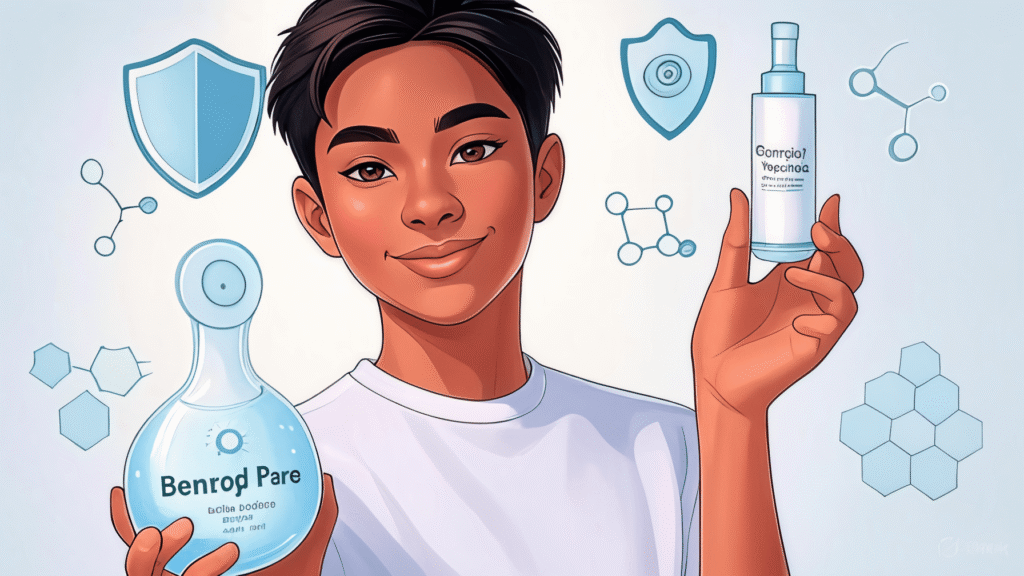
Acne affects millions of people worldwide, and finding an effective treatment can feel overwhelming. Among the numerous over-the-counter options available, benzoyl peroxide stands out as one of the most proven and widely recommended acne treatments by dermatologists. This comprehensive guide will walk you through everything you need to know about using benzoyl peroxide to achieve clearer, healthier skin.
What is Benzoyl Peroxide?
Benzoyl peroxide is a topical medication that has been a cornerstone of acne treatment for decades. This powerful antimicrobial agent works through multiple mechanisms to combat acne at its source. Unlike many other acne treatments that target only one aspect of acne formation, benzoyl peroxide provides a multi-pronged approach to skin clearing.
The medication is available as an over-the-counter treatment in various concentrations, typically ranging from 2.5% to 10%. It comes in multiple formulations including gels, creams, lotions, cleansers, spot treatments, and even foam applications, making it adaptable to different skin types and preferences.
How Benzoyl Peroxide Works
Benzoyl peroxide targets acne through three primary mechanisms:
- Antimicrobial action: It kills Propionibacterium acnes (P. acnes), the bacteria responsible for inflammatory acne lesions
- Keratolytic properties: It helps shed dead skin cells that can clog pores and lead to blackheads and whiteheads
- Anti-inflammatory effects: It reduces inflammation and redness associated with acne breakouts
This triple-action approach makes benzoyl peroxide particularly effective for treating inflammatory acne, including papules, pustules, and cystic lesions.
Is Benzoyl Peroxide Effective for Different Types of Acne?
Understanding which type of acne you’re dealing with is crucial for determining whether benzoyl peroxide is the right choice for your skin concerns.
Benzoyl Peroxide for Inflammatory Acne
Benzoyl peroxide excels at treating inflammatory acne lesions. These include:
- Papules: Small, red, inflamed bumps without visible pus
- Pustules: Red bumps with white or yellow pus-filled centers
- Nodules: Large, painful lumps beneath the skin surface
- Cystic acne: Deep, pus-filled lesions that can cause scarring
The antimicrobial properties of benzoyl peroxide make it particularly effective against these types of acne because they’re primarily caused by bacterial overgrowth and inflammation.
Benzoyl Peroxide for Non-Inflammatory Acne
While benzoyl peroxide can help with blackheads and whiteheads through its keratolytic action, it’s generally less effective for these non-inflammatory lesions compared to other treatments like salicylic acid or retinoids.
Benzoyl Peroxide for Acne Scars
Benzoyl peroxide is not specifically designed to treat acne scars. However, by preventing new breakouts and reducing inflammation, it can help prevent the formation of new scars. For existing acne scars, other treatments like retinoids, chemical peels, or professional procedures may be more appropriate.
How to Use Benzoyl Peroxide: Step-by-Step Application Guide
Proper application of benzoyl peroxide is essential for maximizing its benefits while minimizing potential side effects. Follow these detailed steps for optimal results:
Initial Application Protocol
- Start slowly: Begin with a 2.5% concentration and use it every other day for the first week
- Patch test: Apply a small amount to a discrete area of skin for 3 days to check for allergic reactions
- Cleanse first: Wash your face with a gentle, non-comedogenic cleanser and pat dry
- Apply sparingly: Use a thin layer of benzoyl peroxide on affected areas only
- Allow absorption: Wait 10-15 minutes before applying moisturizer or other products
Daily Application Routine
Morning routine:
- Gentle cleanser
- Benzoyl peroxide (if using once daily)
- Oil-free moisturizer
- Broad-spectrum sunscreen (SPF 30 or higher)
Evening routine:
- Gentle cleanser
- Benzoyl peroxide (if using twice daily or as your only application)
- Non-comedogenic moisturizer
Concentration Progression Strategy
Many people benefit from gradually increasing the concentration of benzoyl peroxide:
- Week 1-2: 2.5% every other day
- Week 3-4: 2.5% daily
- Week 5-6: 5% every other day (if needed)
- Week 7+: 5% daily or 10% as tolerated
Different Formulation Applications
Gels and creams: Apply a thin layer to clean, dry skin
Cleansers: Use as a face wash, leaving on skin for 1-2 minutes before rinsing
Spot treatments: Apply directly to individual blemishes
Leave-on masks: Follow product-specific instructions for timing
Understanding Side Effects and How to Manage Them
While benzoyl peroxide is generally well-tolerated, it can cause side effects, especially during the initial weeks of use. Understanding these potential reactions helps you use the medication safely and effectively.
Common Skin Side Effects
Dryness and peeling: The most frequent side effects include:
- Mild to moderate skin dryness
- Flaking or peeling skin
- Temporary redness or irritation
- Increased skin sensitivity
Management strategies:
- Use a gentle, fragrance-free moisturizer
- Reduce application frequency if irritation occurs
- Consider switching to a lower concentration
- Apply benzoyl peroxide to slightly damp skin to reduce drying effects
Clothing and Hair Bleaching
Benzoyl peroxide has strong bleaching properties that can permanently discolor:
- Clothing and bedding
- Hair and eyebrows
- Towels and washcloths
Prevention tips:
- Use white or old towels and pillowcases
- Wear old clothing when applying the medication
- Wash hands thoroughly after application
- Consider applying benzoyl peroxide in the morning to minimize contact with bedding
Allergic Reactions and When to Stop
Discontinue use immediately and consult a healthcare provider if you experience:
- Severe burning or stinging
- Excessive redness or swelling
- Blistering or severe peeling
- Signs of allergic reaction (hives, difficulty breathing, facial swelling)
Special Considerations for Different Skin Types
Sensitive skin: Start with 2.5% concentration and use every third day initially
Dry skin: Always follow with a rich, non-comedogenic moisturizer
Oily skin: May tolerate higher concentrations and more frequent application
Darker skin tones: Monitor for post-inflammatory hyperpigmentation and use sun protection diligently
Benzoyl Peroxide vs. Other Acne Treatments
Understanding how benzoyl peroxide compares to other acne treatments helps you make informed decisions about your skincare routine.
Benzoyl Peroxide vs. Salicylic Acid
Benzoyl peroxide strengths:
- Superior antimicrobial action
- More effective for inflammatory acne
- Faster visible results for active breakouts
Salicylic acid strengths:
- Better for blackheads and whiteheads
- Less irritating for sensitive skin
- Superior pore-clearing action
- Can be used long-term with minimal side effects
Benzoyl Peroxide vs. Retinoids
Benzoyl peroxide advantages:
- Available over-the-counter
- Immediate antimicrobial effects
- Less initial irritation than prescription retinoids
Retinoid advantages:
- Address multiple acne causes
- Provide anti-aging benefits
- More effective for comedonal acne
- Better long-term acne prevention
Combination Therapy Strategies
Many dermatologists recommend combining benzoyl peroxide with other treatments for enhanced results:
Benzoyl peroxide + Salicylic acid: Use salicylic acid in the morning and benzoyl peroxide at night
Benzoyl peroxide + Retinoids: Apply benzoyl peroxide in the morning and retinoid at night
Benzoyl peroxide + Niacinamide: Niacinamide can help reduce irritation from benzoyl peroxide
Advanced Treatment Strategies and Long-Term Maintenance
Maintenance Therapy Approach
Once your acne is under control, consider these long-term strategies:
- Reduced frequency: Use benzoyl peroxide 2-3 times per week for maintenance
- Rotation therapy: Alternate between benzoyl peroxide and other treatments
- Seasonal adjustments: Increase use during hormonal fluctuations or stress periods
Treatment for Different Ethnicities and Skin Types
Asian skin: Often more sensitive; start with lower concentrations and monitor for irritation
African American skin: Higher risk of post-inflammatory hyperpigmentation; use sun protection religiously
Hispanic/Latino skin: May experience increased sensitivity; gradual introduction is key
Caucasian skin: Generally tolerates higher concentrations but still requires careful monitoring
Hormonal Acne Considerations
For hormonal acne, benzoyl peroxide works best when combined with:
- Hormonal therapies (birth control, spironolactone)
- Consistent skincare routine
- Stress management techniques
- Dietary modifications if applicable
When to Seek Professional Help
While benzoyl peroxide is effective for many people, certain situations warrant professional dermatological care:
Signs You Need a Dermatologist
- Severe or cystic acne: Deep, painful lesions that don’t respond to OTC treatments
- Scarring: Any signs of permanent scarring or dark spots
- No improvement: Lack of improvement after 6-8 weeks of consistent use
- Severe side effects: Persistent irritation, allergic reactions, or excessive dryness
- Emotional impact: When acne significantly affects self-esteem or quality of life
Professional Treatment Options
Dermatologists can offer:
- Prescription-strength benzoyl peroxide formulations
- Combination prescription medications
- Professional procedures (chemical peels, extractions)
- Hormonal therapy options
- Advanced scar treatment methods
Frequently Asked Questions
Q: How long does it take to see results with benzoyl peroxide?
A: Most people begin to see improvement within 2-4 weeks, with optimal results typically achieved after 6-8 weeks of consistent use. Initial worsening during the first 1-2 weeks is normal as the medication brings underlying acne to the surface.
Q: Can I use benzoyl peroxide with vitamin C or other antioxidants?
A: It’s generally recommended to separate these ingredients. Use vitamin C in the morning and benzoyl peroxide at night, or alternate days to prevent potential interactions that could reduce effectiveness.
Q: Is it safe to use benzoyl peroxide during pregnancy?
A: Benzoyl peroxide is generally considered safe during pregnancy and breastfeeding, but it’s always best to consult with your healthcare provider before starting any new skincare treatment during pregnancy.
Q: Can benzoyl peroxide cause premature aging?
A: When used properly with adequate moisturization and sun protection, benzoyl peroxide should not cause premature aging. However, over-drying the skin can lead to irritation and potential long-term damage, so proper hydration is essential.
Q: What should I do if my skin becomes too dry or irritated?
A: Reduce the frequency of application, switch to a lower concentration, increase moisturizer use, and consider taking a break from the treatment for a few days. If irritation persists, discontinue use and consult a dermatologist.
The Bottom Line: Achieving Clear Skin with Benzoyl Peroxide
Benzoyl peroxide remains one of the most effective and accessible treatments for acne, particularly inflammatory types. Its multi-mechanism approach to fighting acne-causing bacteria, reducing inflammation, and promoting skin cell turnover makes it a valuable addition to most acne treatment regimens.
Success with benzoyl peroxide requires patience, consistency, and proper technique. Start with lower concentrations, gradually build tolerance, and always prioritize skin barrier health through adequate moisturization and sun protection. Remember that everyone’s skin is different, and what works for others may need to be adjusted for your specific needs.
If you’re struggling with persistent acne or experiencing significant side effects, don’t hesitate to seek professional guidance. A dermatologist can help customize a treatment plan that incorporates benzoyl peroxide effectively while addressing your unique skin concerns.
Ready to start your journey to clearer skin? Begin with a 2.5% benzoyl peroxide gel or cream, introduce it gradually into your routine, and maintain realistic expectations about the timeline for results. With consistent use and proper technique, benzoyl peroxide can be a powerful ally in achieving the clear, healthy skin you deserve.