If you’ve ever wondered whether acne and pimples are the same thing, you’re not alone. Many people use these terms interchangeably, but understanding the distinction between them is crucial for effective treatment and prevention. This comprehensive guide will clarify the differences, explore causes, and provide actionable solutions for clearer, healthier skin.
Understanding the Key Difference: Acne vs. Pimples
The fundamental difference between acne and pimples is simple yet important: acne is the medical condition, while pimples are symptoms of that condition. Think of it like this – if acne were a disease like the flu, pimples would be individual symptoms like fever or cough.
Acne, medically known as acne vulgaris, is a chronic inflammatory skin condition that affects the hair follicles and sebaceous (oil) glands. It’s a complex condition involving multiple factors including hormones, bacteria, and genetics. Pimples, on the other hand, are the visible manifestations of this underlying condition – the bumps, blackheads, and cysts that appear on your skin.
This distinction matters because treating individual pimples without addressing the underlying acne condition is like putting a band-aid on a deeper problem. Effective acne management requires understanding and treating the root causes, not just the visible symptoms.
What Causes Acne to Develop?
Understanding what triggers acne formation helps explain why pimples appear and how to prevent them. The process begins deep within your hair follicles and involves several interconnected factors.
The Four-Step Acne Formation Process
- Excess Sebum Production: Your sebaceous glands produce an oily substance called sebum to keep skin moisturized. Hormonal changes, particularly during puberty, menstruation, or pregnancy, can cause these glands to overproduce sebum.
- Abnormal Skin Cell Shedding: Normally, dead skin cells shed naturally. In acne-prone skin, these cells stick together and don’t shed properly, creating a plug in the hair follicle.
- Bacterial Overgrowth: The combination of excess oil and trapped dead skin cells creates an ideal environment for Cutibacterium acnes (formerly Propionibacterium acnes) bacteria to multiply rapidly.
- Inflammation: Your immune system responds to the bacterial overgrowth, causing the redness, swelling, and pain associated with inflamed pimples.
Common Acne Triggers
Several factors can worsen acne or trigger breakouts:
- Hormonal fluctuations during puberty, menstrual cycles, pregnancy, or menopause
- Genetics – if your parents had acne, you’re more likely to develop it
- Certain skincare and cosmetic products that clog pores (comedogenic products)
- Friction or pressure from tight clothing, helmets, or frequent touching
- High humidity and excessive sweating
- Certain medications including corticosteroids and lithium
- Stress (while it doesn’t directly cause acne, it can worsen existing conditions)
Debunking Common Acne Myths
Let’s clear up some persistent misconceptions:
- Dirty skin doesn’t cause acne – over-washing can actually irritate skin and worsen breakouts
- Greasy foods and chocolate don’t directly cause acne for most people, though some individuals may notice personal triggers
- Sun exposure may temporarily improve acne appearance but often leads to increased breakouts later
- Acne isn’t something you’ll “grow out of” – adult acne affects up to 15% of women and 3% of men
The Six Types of Acne Lesions (Pimples)
Not all pimples are created equal. Understanding the different types helps you choose appropriate treatments and know when to seek professional help.
Non-Inflammatory Acne
Blackheads (Open Comedones)
- Appear as small, dark spots on the skin surface
- The dark color comes from oxidized sebum and dead skin cells, not dirt
- Most common on the nose, chin, and forehead
- Generally easier to treat than inflammatory types
Whiteheads (Closed Comedones)
- Small, flesh-colored or white bumps under the skin
- The pore opening is completely blocked
- May persist for weeks or months without proper treatment
- Can develop into inflammatory lesions if bacteria proliferate
Inflammatory Acne
Papules
- Small, red, tender bumps without a visible center
- Result from inflammation around clogged hair follicles
- Should not be squeezed as this can worsen inflammation and lead to scarring
- Often appear in clusters on the face, chest, or back
Pustules
- Similar to papules but with a white or yellow pus-filled center
- The pus consists of dead white blood cells, bacteria, and cellular debris
- More likely to leave temporary dark spots (post-inflammatory hyperpigmentation)
- Require gentle treatment to prevent scarring
Nodules
- Large, painful, solid lumps deep under the skin
- Can persist for weeks or months
- Often leave permanent scars if not treated properly
- Require professional medical treatment
Cysts
- Large, pus-filled lesions deep under the skin
- Most severe form of acne
- Extremely painful and likely to cause permanent scarring
- Always require dermatological intervention
Comprehensive Treatment Approaches
Effective acne treatment requires a multi-faceted approach that addresses both the underlying condition and individual pimple symptoms.
Over-the-Counter Solutions
Benzoyl Peroxide (2.5% – 10%)
- Kills acne-causing bacteria and helps unclog pores
- Start with lower concentrations to minimize irritation
- Can bleach clothing and hair, so use carefully
- Best for inflammatory acne types
Salicylic Acid (0.5% – 2%)
- Beta-hydroxy acid that exfoliates inside pores
- Particularly effective for blackheads and whiteheads
- Helps prevent new comedones from forming
- Gentler option for sensitive skin
Adapalene (0.1%)
- Over-the-counter retinoid that normalizes skin cell turnover
- Prevents new acne formation and helps existing lesions heal
- May cause initial irritation but improves with continued use
- Apply only at night and always use sunscreen during the day
Prescription Treatments
Topical Retinoids
- Tretinoin, tazarotene, and adapalene (higher strengths)
- Gold standard for acne prevention and treatment
- Address multiple acne factors simultaneously
- Require patience – improvements typically seen after 12 weeks
Topical Antibiotics
- Clindamycin and erythromycin reduce bacterial populations
- Usually combined with benzoyl peroxide to prevent resistance
- Best for inflammatory acne with significant bacterial involvement
- Typically used for 3-4 months maximum
Oral Medications
- Antibiotics (doxycycline, minocycline) for moderate to severe inflammatory acne
- Hormonal treatments (birth control pills, spironolactone) for hormonal acne in women
- Isotretinoin for severe, treatment-resistant acne
- Anti-androgen therapy for adult women with persistent acne
Professional Procedures
- Chemical peels for comedonal acne and post-inflammatory hyperpigmentation
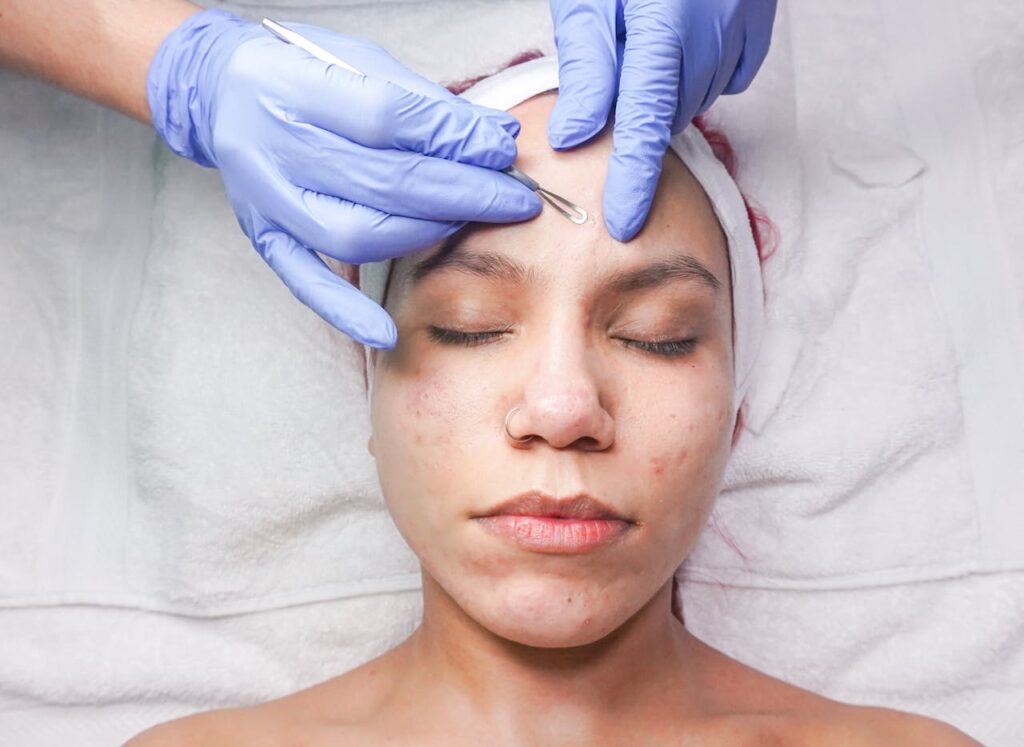
- Extraction procedures for stubborn blackheads and whiteheads
- Corticosteroid injections for large, painful cysts
- Light and laser therapies for inflammatory acne and scarring
Age-Specific Acne Considerations
Acne affects people differently across various life stages, requiring tailored approaches for optimal results.
Teenage Acne
- Primarily driven by hormonal changes during puberty
- Often affects the T-zone (forehead, nose, chin)
- Focus on gentle, consistent skincare routines
- Education about proper product use and realistic expectations
Adult Acne
- More common in women, often related to hormonal fluctuations
- Typically appears along the jawline and lower face
- May require hormonal evaluation and treatment
- Often coexists with signs of aging, requiring balanced skincare approaches
Hormonal Acne in Women
- Flares around menstrual cycles, pregnancy, or menopause
- Often deeper, more cystic lesions
- May benefit from hormonal therapies
- Requires long-term management strategies
Prevention Strategies for Long-Term Success
Preventing acne is often more effective than treating existing breakouts. Here’s how to build an acne-prevention routine:
Daily Skincare Essentials
Morning Routine:
- Gentle cleanser with salicylic acid or benzoyl peroxide
- Non-comedogenic moisturizer
- Broad-spectrum SPF 30+ sunscreen
Evening Routine:
- Gentle cleanser to remove makeup and daily buildup
- Treatment products (retinoids, benzoyl peroxide)
- Non-comedogenic moisturizer
Lifestyle Modifications
- Choose non-comedogenic products for all skincare and cosmetics
- Wash pillowcases and phone screens regularly to reduce bacterial transfer
- Avoid touching your face throughout the day
- Manage stress through exercise, meditation, or other healthy outlets
- Maintain a balanced diet rich in omega-3 fatty acids and antioxidants
- Stay hydrated to support overall skin health
What to Avoid
- Over-washing or scrubbing, which can increase irritation
- Picking, squeezing, or popping pimples
- Using multiple new products simultaneously
- Skipping moisturizer (even oily skin needs hydration)
- Inconsistent product use
The Psychological Impact of Acne
Acne affects more than just physical appearance – it can significantly impact mental health and quality of life. Studies show that people with acne experience higher rates of:
- Low self-esteem and poor body image
- Social anxiety and withdrawal
- Depression and mood disorders
- Reduced academic or work performance
Recognizing these impacts is crucial for comprehensive acne care. If acne is affecting your mental health, consider:
- Seeking support from friends, family, or mental health professionals
- Joining online communities for people with acne
- Working with a dermatologist who understands the emotional aspects of acne
- Practicing self-compassion and realistic expectations during treatment
When to Seek Professional Help
While many people can manage mild acne with over-the-counter products, certain situations warrant professional medical attention:
See a Dermatologist If:
- Over-the-counter treatments haven’t improved your acne after 6-8 weeks
- You have moderate to severe acne with nodules or cysts
- Acne is leaving permanent scars
- You’re experiencing significant emotional distress
- You have signs of hormonal imbalance (irregular periods, excessive hair growth)
- Your acne suddenly worsens or changes pattern
Questions to Ask Your Healthcare Provider:
- What type of acne do I have, and what’s the best treatment approach?
- How long should I expect treatment to take?
- What are the potential side effects of recommended treatments?
- How can I prevent acne scarring?
- Are there lifestyle changes that could help my specific situation?
Acne Scarring: Prevention and Treatment
One of the most important reasons to treat acne properly is preventing permanent scarring. Different types of acne scars require different treatment approaches:
Types of Acne Scars
- Ice pick scars: Deep, narrow scars that extend into the dermis
- Boxcar scars: Broad, rectangular depressions with defined edges
- Rolling scars: Wide depressions with sloping edges
- Hypertrophic scars: Raised scars from excess collagen production
Scar Prevention Strategies
- Treat acne early and consistently
- Never pick or squeeze pimples
- Use sunscreen to prevent darkening of healing lesions
- Consider professional treatment for severe acne
- Apply gentle pressure with clean hands if extraction is absolutely necessary
Frequently Asked Questions
Q: Can I use multiple acne treatments at the same time?
A: While combination therapy can be effective, introduce new products gradually to avoid irritation. Start with one active ingredient and add others slowly. Some combinations (like retinoids and benzoyl peroxide) may need to be used at different times of day.
Q: How long does it take for acne treatments to work?
A: Most treatments require 6-12 weeks to show significant improvement. Some people may see initial results in 2-4 weeks, but full benefits often take 3-4 months of consistent use.
Q: Is it normal for acne to get worse before it gets better?
A: Yes, this is common with many acne treatments, especially retinoids. This “purging” period typically lasts 4-6 weeks as the treatment brings underlying clogs to the surface more quickly.
Q: Can diet affect acne?
A: While the relationship isn’t fully understood, some studies suggest that high-glycemic foods and dairy products may worsen acne in certain individuals. Keep a food diary if you suspect dietary triggers.
Q: Should I moisturize if I have oily, acne-prone skin?
A: Absolutely. Skipping moisturizer can actually increase oil production and irritation. Choose lightweight, non-comedogenic formulas designed for acne-prone skin.
Take Control of Your Skin Health
Understanding the difference between acne and pimples is the first step toward effective treatment and prevention. Remember that acne is a medical condition requiring consistent, patient care – not just spot-treating individual pimples as they appear.
Whether you’re dealing with occasional breakouts or persistent acne, the key is developing a comprehensive approach that addresses the underlying causes while treating visible symptoms. Start with gentle, proven ingredients, be consistent with your routine, and don’t hesitate to seek professional help when needed.
Your skin health journey is unique, and what works for others may not work for you. Be patient with the process, kind to yourself during setbacks, and remember that clearer skin is achievable with the right knowledge and approach.
Ready to start your journey to clearer skin? Begin with a gentle skincare routine using non-comedogenic products, and consider consulting a dermatologist if you’re dealing with persistent or severe acne. Your future self will thank you for taking action today.