Your skin faces a daily battle against UV radiation, environmental toxins, and the natural aging process. While sunscreen remains your first line of defense, emerging research reveals that certain foods can transform your skin into a natural anti-wrinkle fortress from the inside out. These nutritional powerhouses work synergistically with your body’s circadian rhythms to provide enhanced UV protection and combat the cellular damage that leads to premature aging.
Why Timing Matters: The Science Behind Circadian Skin Protection
Your skin’s ability to protect itself isn’t constant throughout the day. Recent studies show that consuming antioxidant-rich foods during specific times can maximize their protective benefits. Your skin’s natural repair mechanisms peak during morning hours, making breakfast the optimal time to load up on protective nutrients.
When you eat sun-protection foods in the morning, you’re essentially priming your skin’s defense systems before UV exposure occurs. This proactive approach allows antioxidants to circulate through your bloodstream and accumulate in skin cells, creating a natural barrier against oxidative stress.
The 6 Ultimate Sun-Protection Foods for Anti-Aging
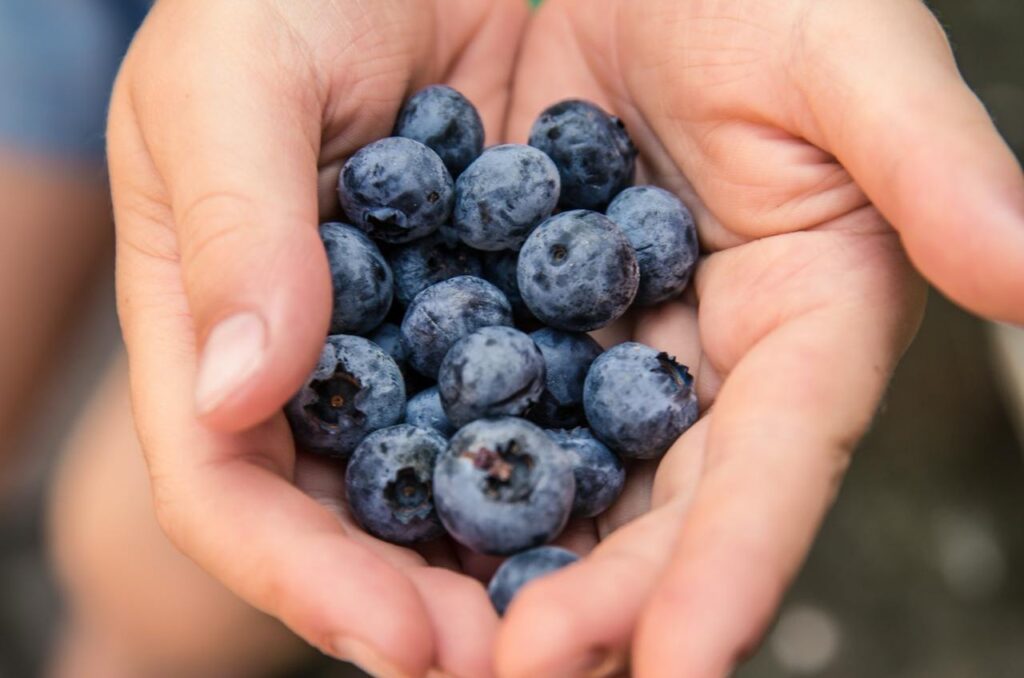
1. Blueberries: Nature’s Anti-Aging Powerhouse
Key Nutrients: Anthocyanins, vitamin C, resveratrol, proanthocyanidins
Blueberries pack more antioxidant power per serving than almost any other fruit. Their deep blue color comes from anthocyanins, powerful compounds that neutralize free radicals before they can damage collagen and elastin fibers in your skin.
How They Work:
- Vitamin C stimulates collagen synthesis, reducing fine lines and wrinkles
- Anthocyanins protect against UV-induced DNA damage
- Proanthocyanidins strengthen capillary walls, improving skin circulation
Optimal Consumption: 1 cup fresh or ½ cup frozen blueberries daily, preferably with breakfast
Preparation Tips:
- Add to smoothies with yogurt for enhanced absorption
- Freeze overnight for a refreshing summer snack
- Mix into oatmeal with a drizzle of honey
2. Watermelon: Your Natural SPF Booster
Key Nutrients: Lycopene, vitamin A, vitamin C, citrulline
Watermelon contains one of the highest concentrations of lycopene among all fruits. This carotenoid acts like an internal sunscreen, absorbing UVB radiation before it can penetrate deep into skin layers.
How It Works:
- Lycopene accumulates in skin tissue, providing natural UV protection
- High water content maintains skin hydration and plumpness
- Citrulline improves blood flow, delivering nutrients to skin cells
Optimal Consumption: 2 cups fresh watermelon daily, especially during peak sun exposure months
Seasonal Strategy:
- Summer: Consume fresh watermelon 30 minutes before sun exposure
- Winter: Use frozen watermelon in smoothies to maintain year-round protection
- Combine with mint for enhanced antioxidant absorption
3. Nuts and Seeds: Essential Fatty Acid Fortress
Key Nutrients: Omega-3 fatty acids, vitamin E, selenium, zinc
Nuts and seeds provide the building blocks for healthy cell membranes, creating a stronger barrier against environmental damage. Their healthy fats also help your body absorb fat-soluble vitamins that support skin health.
Top Choices:
- Walnuts: Highest omega-3 content among tree nuts
- Sunflower seeds: Rich in vitamin E, a potent antioxidant
- Brazil nuts: Excellent source of selenium for skin repair
- Pumpkin seeds: High in zinc for wound healing and collagen production
How They Work:
- Omega-3s reduce inflammation and maintain skin barrier function
- Vitamin E protects cell membranes from oxidative damage
- Selenium supports glutathione production, your body’s master antioxidant
Optimal Consumption: 1 ounce (about a handful) of mixed nuts and seeds daily
4. Carrots and Leafy Greens: Beta-Carotene Shield
Key Nutrients: Beta-carotene, lutein, zeaxanthin, folate, vitamin K
Orange and dark green vegetables provide beta-carotene, which your body converts to vitamin A—essential for skin cell turnover and repair. These vegetables also contain lutein and zeaxanthin, which filter harmful blue light.
Top Choices:
- Carrots: Highest beta-carotene content
- Sweet potatoes: Rich in both beta-carotene and vitamin C
- Spinach: Packed with lutein and folate
- Kale: Contains vitamin K for skin healing
How They Work:
- Beta-carotene provides natural sun protection factor (SPF 2-4)
- Lutein and zeaxanthin filter harmful light wavelengths
- Vitamin K supports skin healing and reduces dark circles
Optimal Consumption: 1 cup cooked or 2 cups raw leafy greens daily, plus 1 medium carrot or sweet potato
Preparation for Maximum Absorption:
- Lightly cook carrots and sweet potatoes to break down cell walls
- Eat with healthy fats (olive oil, avocado) to enhance carotenoid absorption
- Combine different colored vegetables for synergistic effects
5. Green Tea: Polyphenol Protection
Key Nutrients: EGCG (epigallocatechin gallate), catechins, L-theanine
Green tea contains powerful polyphenols that provide both internal and topical skin protection. The star compound, EGCG, has been shown to prevent UV-induced skin damage and reduce signs of aging.
How It Works:
- EGCG inhibits enzymes that break down collagen
- Catechins reduce inflammation and redness from sun exposure
- L-theanine promotes stress reduction, which benefits skin health
Optimal Consumption: 2-3 cups daily, with the first cup consumed with breakfast
Brewing Tips for Maximum Potency:
- Use water heated to 175°F (not boiling) to preserve delicate compounds
- Steep for 3-5 minutes for optimal extraction
- Add lemon to increase antioxidant absorption
- Consider matcha powder for concentrated benefits
6. Cauliflower: The Unexpected Anti-Aging Hero
Key Nutrients: Sulforaphane, vitamin C, choline, vitamin K
Despite its pale appearance, cauliflower contains potent anti-aging compounds. Sulforaphane, a sulfur compound, activates your body’s natural detoxification pathways and protects against cellular damage.
How It Works:
- Sulforaphane boosts production of protective enzymes
- Vitamin C supports collagen synthesis
- Choline maintains cell membrane integrity
- Vitamin K promotes skin healing
Optimal Consumption: 1 cup cooked cauliflower 3-4 times per week
Preparation Methods:
- Roast with turmeric for enhanced anti-inflammatory benefits
- Steam lightly to preserve sulforaphane content
- Add to smoothies (frozen cauliflower is virtually tasteless)
Creating Your Daily Sun-Protection Meal Plan
Morning Fortress Builder (Breakfast)
- Green tea with lemon
- Blueberry and spinach smoothie with walnuts
- Steel-cut oats topped with sunflower seeds
Midday Shield (Lunch)
- Large salad with mixed greens, carrots, and pumpkin seeds
- Grilled sweet potato with olive oil
- Watermelon and mint salad
Evening Repair (Dinner)
- Roasted cauliflower with turmeric
- Steamed kale with Brazil nuts
- Green tea (decaffeinated if sensitive to caffeine)
Maximizing Synergistic Effects
Food Combinations That Amplify Protection
- Tomatoes + Olive Oil: Enhances lycopene absorption
- Carrots + Avocado: Increases beta-carotene uptake
- Green Tea + Citrus: Boosts catechin absorption
- Nuts + Berries: Combines healthy fats with antioxidants
Seasonal Adaptation Strategies
Summer Approach:
- Increase watermelon and fresh berry consumption
- Focus on hydrating foods with high water content
- Consume protective foods 30-60 minutes before sun exposure
Winter Maintenance:
- Emphasize cooked vegetables and warm teas
- Use frozen berries and vegetables to maintain nutrient density
- Increase nut and seed consumption for healthy fats
Beyond Individual Foods: Lifestyle Integration
Preparation Methods That Preserve Nutrients
- Steam vegetables lightly to maintain vitamin content
- Store berries in the refrigerator and wash just before eating
- Soak nuts and seeds overnight to improve digestibility
- Use glass containers to prevent nutrient degradation
Timing Optimization
- Consume antioxidant-rich foods with morning meals
- Space out different food categories throughout the day
- Avoid consuming protective foods with alcohol, which can interfere with absorption
Important Considerations and Realistic Expectations
While these foods provide significant skin protection benefits, they work best as part of a comprehensive sun-safety strategy. Research suggests that dietary antioxidants can provide an SPF equivalent of 2-4, which means they enhance but don’t replace proper sunscreen use.
Key Points to Remember:
- Results typically become noticeable after 6-12 weeks of consistent consumption
- Individual responses vary based on genetics, skin type, and overall diet quality
- These foods work synergistically—eating a variety provides better protection than focusing on just one
- Hydration remains crucial for maintaining skin barrier function
Your Action Plan: Building Your Anti-Wrinkle Fortress
Start by incorporating one new protective food each week rather than overhauling your entire diet at once. This gradual approach ensures sustainable habit formation and allows you to identify which foods your body responds to best.
Week 1: Add 1 cup of blueberries to your daily routine
Week 2: Include 2 cups of watermelon during peak sun season
Week 3: Incorporate a handful of mixed nuts and seeds daily
Week 4: Add 2 cups of leafy greens and 1 carrot daily
Week 5: Replace one daily beverage with green tea
Week 6: Include cauliflower in 3-4 meals per week
Track your skin’s appearance, hydration levels, and overall radiance as you build these habits. Many people notice improved skin texture and reduced sensitivity to sun exposure within the first month.
Frequently Asked Questions
Q: How long does it take to see results from eating sun-protection foods?
A: Most people notice improvements in skin texture and hydration within 4-6 weeks. Enhanced sun protection typically develops after 8-12 weeks of consistent consumption as antioxidants accumulate in skin tissue.
Q: Can these foods replace sunscreen entirely?
A: No. While these foods provide valuable protection equivalent to SPF 2-4, they should complement, not replace, proper sunscreen use. Think of them as your internal sunscreen that works alongside topical protection.
Q: Do I need to eat all six foods every day?
A: Aim for variety rather than perfection. Including 3-4 of these foods daily will provide significant benefits. Focus on seasonal availability and your personal preferences for sustainable long-term habits.
Q: Are supplements as effective as whole foods?
A: Whole foods are generally more effective because they contain synergistic compounds that work together. However, high-quality supplements can be beneficial if you struggle to consume adequate amounts through food alone.
Q: Can people with sensitive skin benefit from these foods?
A: Yes, these foods may be especially beneficial for sensitive skin types. The anti-inflammatory compounds can help reduce reactivity to environmental stressors. However, introduce new foods gradually to monitor for any adverse reactions.
Transform your daily meals into a powerful anti-aging strategy by embracing these six sun-protection foods. Your skin will thank you with improved resilience, enhanced radiance, and long-term protection against the visible signs of aging. Start building your nutritional fortress today—your future self will appreciate the investment in healthy, youthful skin.