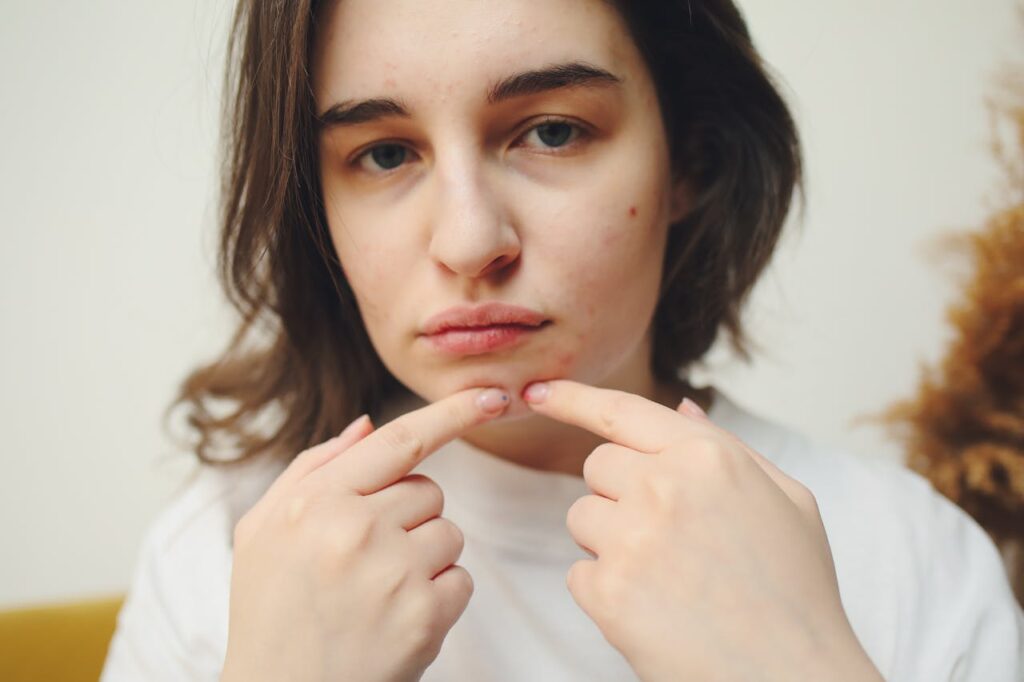
Have you ever wondered why you keep getting breakouts in the same spots on your face? While social media is filled with “face mapping” charts claiming your chin acne means liver problems or forehead pimples indicate digestive issues, the science tells a very different story. Let’s dive into what dermatologists and research actually reveal about acne locations and what you can do about persistent breakouts.
The Truth About Face Mapping: Ancient Wisdom vs. Modern Science
What Is Face Mapping?
Face mapping is an ancient practice rooted in Traditional Chinese Medicine (TCM) and Ayurvedic healing that suggests acne locations correspond to specific internal organ health. According to these traditional systems, breakouts on your forehead might indicate digestive problems, while jawline acne could signal kidney issues.
Does Face Mapping Actually Work?
Here’s the reality: there’s no scientific evidence supporting the connection between acne locations and internal organ health. Modern dermatological research has thoroughly debunked these claims. However, that doesn’t mean acne location is meaningless—it just means the real causes are far more practical and treatable than ancient practitioners believed.
What science does support is that acne locations can reveal important information about your lifestyle habits, skincare routine, and environmental factors that contribute to breakouts.
What Actually Causes Acne: The Science Behind Breakouts
Before we explore location-specific causes, it’s crucial to understand the fundamental science of acne formation:
- Sebum overproduction: Your sebaceous glands produce too much oil
- Dead skin cell buildup: Cells don’t shed properly, clogging pores
- Bacterial overgrowth: Cutibacterium acnes bacteria multiply in clogged pores
- Inflammation: Your immune system responds to the bacterial infection
These four factors work together, but their intensity varies across different areas of your face based on external influences.
Decoding Your Acne Locations: What Science Really Says
Hairline and Temple Acne
The Real Cause: Hair products and styling habits
If you’re experiencing persistent breakouts along your hairline and temples, look at your hair care routine first. This condition, called “pomade acne,” occurs when:
- Hair oils, gels, and styling products migrate onto your skin
- Heavy conditioners and leave-in treatments clog pores
- Dirty hair touches your face throughout the day
- Hats, headbands, or helmets create friction and trap bacteria
Science-Backed Solutions:
- Use noncomedogenic hair products
- Wash your face after applying hair treatments
- Keep hair clean and off your face while sleeping
- Choose water-based styling products over oil-based ones
T-Zone Breakouts: Forehead, Nose, and Chin
The Real Cause: Excess sebum production and lifestyle factors
Your T-zone contains the highest concentration of sebaceous glands, making it naturally prone to oiliness and breakouts. Research shows several factors amplify T-zone acne:
- Stress: Elevates cortisol levels, increasing oil production
- Sleep deprivation: Disrupts hormonal balance and skin repair
- Frequent face touching: Transfers bacteria and irritates skin
- Poor phone hygiene: Screens harbor bacteria that transfer to your face
Age-Specific Considerations:
- Teens: Hormonal surges during puberty dramatically increase sebum production
- Adults: Stress-related breakouts often concentrate in the T-zone, especially during high-pressure periods
Targeted Treatment Approach:
- Use salicylic acid (BHA) to penetrate oil and unclog pores
- Apply benzoyl peroxide to kill acne-causing bacteria
- Incorporate stress management techniques like meditation or exercise
- Clean your phone screen daily with alcohol wipes
Cheek Acne: The Friction Factor
The Real Cause: Mechanical irritation and bacterial transfer
Cheek acne, often called “acne mechanica,” results from physical friction and bacterial contamination:
- Dirty pillowcases: Accumulate oils, bacteria, and dead skin cells
- Phone contact: Transfers bacteria and creates pressure against skin
- Face touching: Introduces bacteria and irritates existing breakouts
- Makeup brushes: Harbor bacteria when not cleaned regularly
- Face masks: Can trap moisture and bacteria against skin
Prevention Strategies:
- Change pillowcases every 2-3 days
- Use speaker phone or earbuds instead of holding your phone to your face
- Clean makeup brushes weekly with antibacterial soap
- Choose breathable, moisture-wicking face masks when required
- Avoid touching your face throughout the day
Jawline and Chin Acne: The Hormonal Connection
The Real Cause: Hormonal fluctuations and androgens
This is where science strongly supports location-specific causes. Jawline and chin acne are predominantly hormonal, particularly related to:
- Androgen sensitivity: These areas have more androgen receptors
- Menstrual cycles: Breakouts often worsen 7-10 days before periods
- PCOS: Polycystic ovary syndrome increases androgen levels
- Adult hormonal acne: Often persists or develops after age 25
Additional Factors:
- Shaving irritation: Creates micro-cuts that allow bacterial entry
- Chin resting: Leaning your chin on your hands transfers bacteria
- Dietary influences: Some studies suggest dairy and high-glycemic foods may worsen hormonal acne
Treatment Approaches:
- Consider hormonal treatments like spironolactone or birth control (consult a dermatologist)
- Use retinoids to regulate cell turnover and reduce inflammation
- Apply spot treatments with 2.5% benzoyl peroxide
- For men: use a clean, sharp razor and antibacterial shaving cream
Advanced Treatment Options: Beyond Basic Skincare
Professional Treatments
Modern dermatology offers several advanced options for persistent acne:
- Chemical peels: Glycolic and salicylic acid peels remove dead skin and unclog pores
- LED light therapy: Blue light kills bacteria, red light reduces inflammation
- Extraction procedures: Professional removal of stubborn blackheads and whiteheads
- Cortisone injections: Rapidly reduce large, painful cystic acne
Prescription Medications
For moderate to severe acne, dermatologists may prescribe:
- Topical retinoids: Tretinoin, adapalene, or tazarotene
- Oral antibiotics: Doxycycline or minocycline for bacterial control
- Hormonal treatments: Spironolactone for women with hormonal acne
- Isotretinoin: For severe, treatment-resistant acne
The Stress-Acne Connection: What Research Reveals
Recent studies have strengthened the link between psychological stress and acne severity. Stress affects your skin through multiple pathways:
- Cortisol elevation: Increases oil production and inflammation
- Immune system suppression: Reduces your ability to fight acne bacteria
- Sleep disruption: Impairs skin repair and hormonal balance
- Behavioral changes: Stress often leads to increased face touching and poor skincare habits
Stress Management for Clearer Skin:
- Practice regular meditation or deep breathing exercises
- Maintain consistent sleep schedules (7-9 hours nightly)
- Engage in regular physical exercise
- Consider therapy or counseling for chronic stress
Preventing Acne Scars: Proactive Strategies
One area often overlooked in acne discussions is scar prevention. Research shows that early intervention significantly reduces scarring risk:
Do’s for Scar Prevention:
- Treat acne early and consistently
- Use sunscreen daily to prevent post-inflammatory hyperpigmentation
- Apply gentle, fragrance-free moisturizers
- Consider professional treatments for active breakouts
Don’ts That Increase Scarring:
- Never pick, squeeze, or pop pimples
- Avoid harsh scrubbing or over-exfoliation
- Don’t use multiple active ingredients simultaneously without guidance
- Resist the urge to try every new product immediately
Seasonal Acne Variations: Adapting Your Routine
Your skin’s needs change throughout the year, and understanding these patterns can improve your acne management:
Summer Considerations:
- Increased sweating can clog pores
- Higher humidity may worsen acne for some people
- Sun exposure can initially improve acne but may cause rebound breakouts
- Sunscreen becomes crucial but choose noncomedogenic formulas
Winter Challenges:
- Dry air can trigger compensatory oil production
- Heavy moisturizers may clog pores
- Indoor heating can dehydrate skin
- Seasonal depression may worsen stress-related breakouts
Building an Effective Skincare Routine
Morning Routine:
- Gentle cleanser (salicylic acid or benzoyl peroxide)
- Lightweight, noncomedogenic moisturizer
- Broad-spectrum SPF 30+ sunscreen
Evening Routine:
- Double cleanse if wearing makeup
- Treatment product (retinoid or BHA)
- Hydrating moisturizer
- Spot treatment for active breakouts
Weekly Additions:
- Clay mask for oily areas (1-2 times weekly)
- Gentle exfoliation with AHA (once weekly)
- Deep cleaning of makeup tools and pillowcases
When to See a Dermatologist
While many cases of acne respond to over-the-counter treatments and lifestyle changes, certain situations require professional intervention:
- Cystic or nodular acne: Large, painful bumps under the skin
- Scarring: Any permanent marks or texture changes
- Persistent breakouts: No improvement after 6-8 weeks of consistent treatment
- Emotional impact: Acne significantly affects your self-esteem or daily life
- Hormonal concerns: Irregular periods, excessive hair growth, or other PCOS symptoms
Frequently Asked Questions
Q: How long does it take to see results from acne treatments?
A: Most treatments require 6-12 weeks to show significant improvement. Be patient and consistent with your routine.
Q: Can diet really affect acne?
A: Research suggests that high-glycemic foods and dairy may worsen acne in some people, but the relationship isn’t universal. Keep a food diary if you suspect dietary triggers.
Q: Is it normal for acne to get worse before it gets better?
A: Yes, this is called “purging” and commonly occurs with retinoids and chemical exfoliants as they accelerate cell turnover.
Q: Should I moisturize oily, acne-prone skin?
A: Absolutely. Skipping moisturizer can trigger increased oil production. Choose lightweight, noncomedogenic formulas.
Q: Can stress really cause acne breakouts?
A: Yes, chronic stress elevates cortisol levels, which can increase oil production and inflammation, leading to more breakouts.
Take Action for Clearer Skin
Understanding the science behind your acne locations empowers you to make targeted, effective changes. Remember that clear skin is a journey, not a destination, and what works for others may not work for you.
Start by identifying your primary breakout zones and implementing the specific strategies outlined above. Be patient with the process—most treatments require several weeks to show results. If you’re dealing with persistent or severe acne, don’t hesitate to consult a dermatologist who can provide personalized treatment options.
Your skin is unique, and with the right combination of science-backed treatments and lifestyle adjustments, you can achieve the clear, healthy complexion you deserve. Take the first step today by examining your current routine and making one small, positive change.