
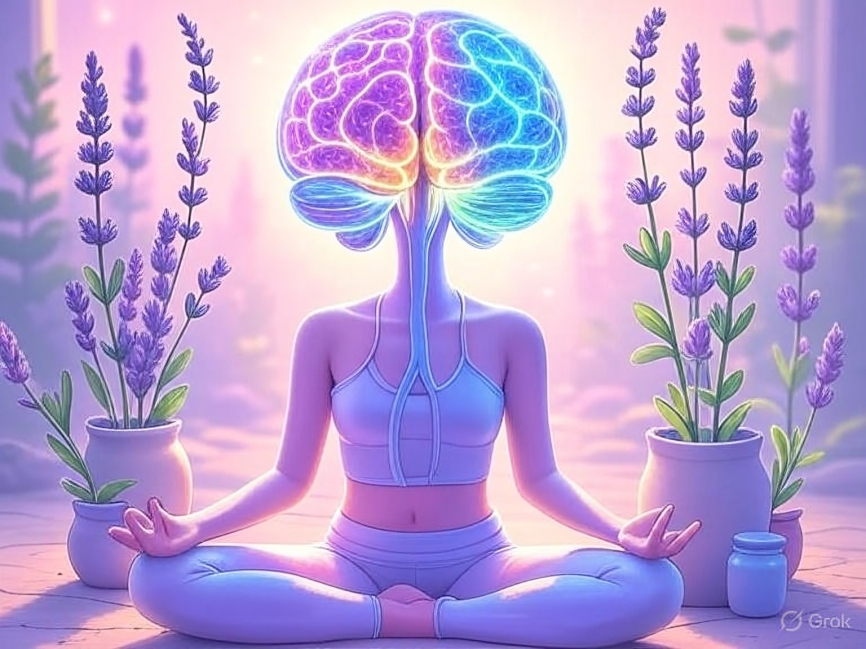
Have you ever noticed how your skin breaks out before a big presentation or how stress seems to trigger that persistent eczema flare-up? You’re not imagining things. The connection between your mental state and skin health runs deeper than most people realize, involving complex biochemical pathways that scientists are only beginning to fully understand.
Recent research in psychodermatology—the emerging field studying mind-skin interactions—reveals that this connection is far more profound than previously thought. In fact, studies show that up to 40% of patients with chronic skin conditions also experience significant psychological distress, while stress can directly trigger or worsen over 30 different dermatological conditions.
What Is Psychodermatology and Why Does It Matter?
Psychodermatology represents the intersection of dermatology, psychiatry, and psychology, examining how mental health and skin conditions influence each other. This bidirectional relationship means that not only can psychological stress trigger skin problems, but skin conditions can also significantly impact mental health and quality of life.
The scientific foundation for this connection lies in embryonic development. Both your skin and nervous system originate from the same embryonic layer called the ectoderm, creating shared neural pathways and chemical receptors that allow for direct communication between your brain and skin throughout your life.
The Three Categories of Mind-Skin Interactions
Psychodermatological conditions fall into three distinct categories:
1. Psychophysiological Disorders
These are existing skin conditions that become worse due to emotional stress:
- Acne vulgaris
- Psoriasis
- Atopic dermatitis (eczema)
- Rosacea
- Seborrheic dermatitis
- Urticaria (hives)
2. Primary Psychiatric Disorders
Mental health conditions that manifest through skin-related behaviors:
- Trichotillomania (hair pulling)
- Dermatitis artefacta (self-induced skin lesions)
- Body dysmorphic disorder
- Delusional parasitosis
3. Secondary Psychiatric Disorders
Psychological conditions that develop as a result of skin problems:
- Depression related to visible skin conditions
- Social anxiety from appearance concerns
- Body image issues
- Reduced self-esteem and confidence
The Science Behind the Mind-Skin Connection
Hormonal Pathways and Stress Response
When you experience stress, your body releases a cascade of hormones that directly impact your skin. The hypothalamic-pituitary-adrenal (HPA) axis triggers the release of cortisol, often called the “stress hormone.” Elevated cortisol levels can:
- Increase oil production in sebaceous glands, leading to acne breakouts
- Suppress immune function, making skin more susceptible to infections
- Slow down skin cell turnover and healing processes
- Trigger inflammatory responses that worsen existing conditions
- Disrupt the skin barrier function, leading to increased sensitivity
Neurotransmitters and Skin Health
Your skin contains receptors for various neurotransmitters, including:
- Serotonin: Affects wound healing and inflammation
- Dopamine: Influences skin pigmentation and immune responses
- GABA: Helps regulate skin barrier function
- Substance P: A neuropeptide that can trigger inflammation and itching
The Inflammatory Connection
Chronic stress promotes systemic inflammation through the release of pro-inflammatory cytokines. This inflammatory state can:
- Accelerate skin aging through collagen breakdown
- Worsen autoimmune skin conditions like psoriasis
- Increase free radical production, leading to oxidative stress
- Compromise the skin’s natural repair mechanisms
Common Stress-Related Skin Conditions
Acne and Emotional Stress
Research consistently shows that emotional stress can worsen acne in up to 70% of patients. Stress increases androgen production, which stimulates sebaceous glands to produce more oil. Additionally, stress-induced inflammation can make existing acne lesions more severe and longer-lasting.
Psoriasis and Mental Health
Psoriasis affects approximately 2-3% of the global population, with studies indicating that 60-70% of patients report stress as a trigger for flare-ups. The visible nature of psoriasis can create a vicious cycle where the condition causes psychological distress, which in turn worsens the skin symptoms.
Eczema and Anxiety
Atopic dermatitis often begins in childhood and can persist into adulthood. The constant itching and visible symptoms can lead to sleep disruption, social isolation, and increased anxiety levels. Research shows that children with severe eczema are 40% more likely to develop anxiety disorders.
Stress-Induced Hair Loss
Telogen effluvium, a type of temporary hair loss, can occur 2-3 months after a significant stressful event. Chronic stress can also worsen androgenetic alopecia (pattern baldness) and trigger autoimmune conditions like alopecia areata.
Modern Triggers: Digital Age Stress and Skin Health
Pandemic-Related Skin Issues
The COVID-19 pandemic introduced new stressors that significantly impacted skin health:
- “Maskne”: Prolonged mask-wearing led to increased acne and contact dermatitis
- Video call anxiety: Constant self-viewing during virtual meetings increased body dysmorphic concerns
- Isolation stress: Social distancing measures contributed to increased stress-related skin flare-ups
- Hand dermatitis: Excessive hand washing and sanitizing caused widespread contact dermatitis
Blue Light and Sleep Disruption
Excessive screen time, particularly before bedtime, can disrupt circadian rhythms and sleep quality. Poor sleep directly impacts:
- Skin cell regeneration and repair
- Collagen production
- Immune function
- Stress hormone regulation
Comprehensive Treatment Approaches
Psychological Interventions
Cognitive Behavioral Therapy (CBT)
CBT has shown remarkable success in treating psychodermatological conditions by:
- Teaching stress management techniques
- Addressing negative thought patterns about appearance
- Developing coping strategies for chronic conditions
- Reducing anxiety and depression symptoms
Mindfulness and Meditation
Regular mindfulness practice can:
- Lower cortisol levels
- Reduce inflammatory markers
- Improve sleep quality
- Enhance overall stress resilience
Biofeedback Training
This technique helps patients learn to control physiological responses to stress, including:
- Heart rate variability
- Muscle tension
- Skin temperature
- Breathing patterns
Integrative Medical Treatments
Topical Therapies with Psychological Support
Combining traditional dermatological treatments with psychological support improves outcomes significantly. This might include:
- Anti-inflammatory medications alongside stress reduction techniques
- Moisturizing regimens combined with relaxation training
- Phototherapy paired with mindfulness practices
Psychotropic Medications
In severe cases, medications may be necessary:
- Selective serotonin reuptake inhibitors (SSRIs) for depression and anxiety
- Anti-anxiety medications for acute stress responses
- Low-dose antipsychotics for delusional disorders
- Tricyclic antidepressants for chronic pain and itching
Lifestyle Modifications for Optimal Skin-Mind Health
Nutrition and Skin Health
Certain nutrients can support both mental health and skin function:
- Omega-3 fatty acids: Reduce inflammation and support mood
- Vitamin D: Essential for immune function and mood regulation
- Probiotics: Support gut-skin-brain axis communication
- Antioxidants: Protect against oxidative stress and aging
Exercise and Stress Management
Regular physical activity provides multiple benefits:
- Reduces cortisol levels
- Improves circulation and nutrient delivery to skin
- Enhances mood through endorphin release
- Promotes better sleep quality
Sleep Hygiene
Quality sleep is crucial for both skin health and emotional well-being:
- Aim for 7-9 hours of consistent sleep
- Create a relaxing bedtime routine
- Limit screen time before bed
- Maintain a cool, dark sleeping environment
Prevention Strategies and Early Intervention
Recognizing Early Warning Signs
Being aware of the connection between stress and skin health allows for early intervention:
- Monitor skin changes during stressful periods
- Notice patterns between emotional states and skin flare-ups
- Track sleep quality and its impact on skin appearance
- Identify personal stress triggers
Building Resilience
Developing emotional resilience can prevent stress-related skin problems:
- Practice regular stress management techniques
- Build strong social support networks
- Develop healthy coping mechanisms
- Seek professional help when needed
Creating a Supportive Environment
Environmental factors can significantly impact both mental health and skin condition:
- Maintain proper humidity levels in living spaces
- Use gentle, fragrance-free skincare products
- Minimize exposure to known irritants and allergens
- Create calming spaces for relaxation and stress relief
The Future of Psychodermatology
Emerging Research Areas
Scientists are exploring exciting new frontiers in mind-skin research:
- Microbiome studies: Understanding how gut bacteria influence both mood and skin health
- Genetic factors: Identifying genetic predispositions to stress-sensitive skin conditions
- Personalized medicine: Developing individualized treatment plans based on genetic and psychological profiles
- Digital therapeutics: Using apps and wearable devices to monitor and manage stress-skin interactions
Telemedicine and Accessibility
The rise of telemedicine has made psychodermatological care more accessible:
- Remote consultations with specialists
- Digital monitoring of skin conditions
- Online therapy and support groups
- AI-powered skin analysis tools
Taking Action: Your Next Steps
Understanding the mind-skin connection empowers you to take control of both your mental health and skin condition. Here’s how to get started:
- Keep a skin-mood diary to identify patterns and triggers
- Develop a consistent stress management routine that works for your lifestyle
- Seek professional help if skin conditions are impacting your quality of life
- Consider integrative approaches that address both psychological and dermatological aspects
- Build a support network of healthcare providers who understand the mind-skin connection
Remember, addressing the psychological aspects of skin conditions isn’t just about improving appearance—it’s about enhancing your overall quality of life and well-being.
Frequently Asked Questions
Q: How quickly can stress affect my skin?
A: Stress can impact your skin within hours through immediate inflammatory responses, but visible changes like breakouts typically appear 2-7 days after a stressful event due to the skin cell turnover cycle.
Q: Can meditation really improve skin conditions?
A: Yes, research shows that regular meditation can reduce cortisol levels, decrease inflammation, and improve various skin conditions including psoriasis, eczema, and acne within 8-12 weeks of consistent practice.
Q: Should I see a dermatologist or psychologist for stress-related skin problems?
A: Ideally, both. The most effective treatment for psychodermatological conditions involves a multidisciplinary approach combining dermatological treatment with psychological support.
Q: Are there specific foods that can help with stress-related skin issues?
A: Foods rich in omega-3 fatty acids (fish, walnuts), antioxidants (berries, leafy greens), and probiotics (yogurt, kefir) can help reduce inflammation and support both skin health and mood regulation.
Q: How long does it take to see improvements when treating the mind-skin connection?
A: While some people notice improvements in stress levels within weeks, significant skin improvements typically take 2-3 months of consistent treatment, as this allows for complete skin cell turnover and establishment of new stress management patterns.
The mind-skin connection represents one of the most fascinating areas of modern medicine, demonstrating how intimately connected our mental and physical health truly are. By understanding and addressing this connection, we can achieve not just healthier skin, but a better quality of life overall.