
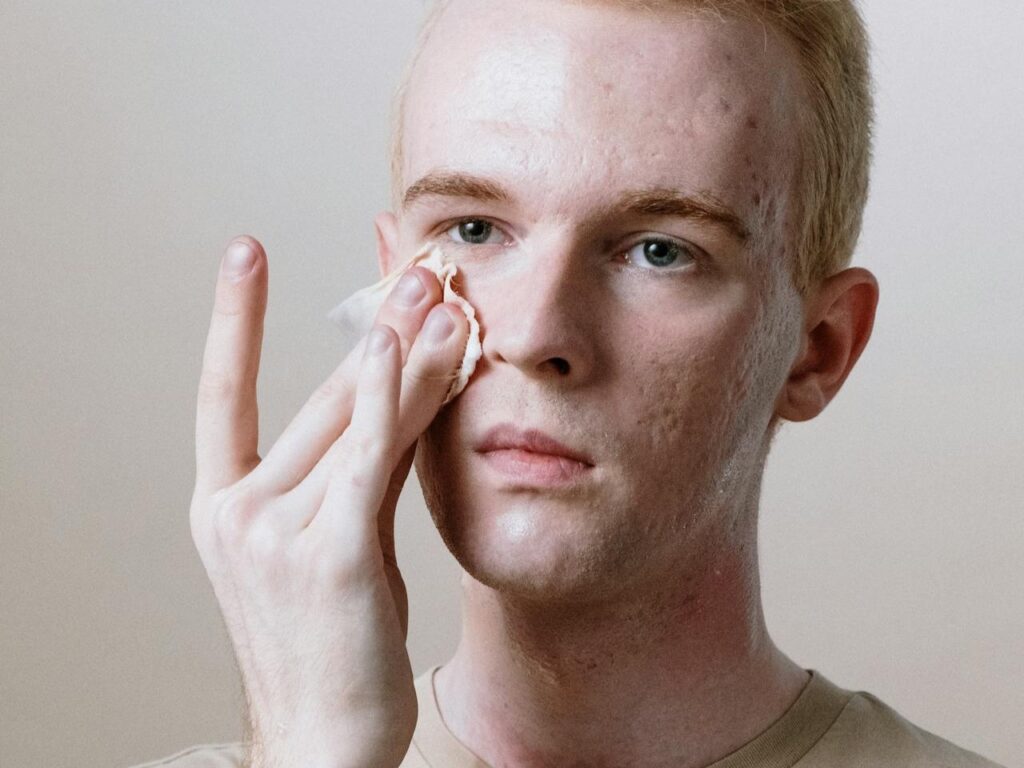
The men’s skincare market is experiencing unprecedented growth, with a 68% increase in facial skincare usage among men from 2022 to 2024. Yet despite this boom, statistics reveal a startling reality: 81% of millennial and Gen Z men still don’t moisturize their faces daily, and 65% admit to not washing their face regularly. So what’s driving the men who do make the switch? We spoke to dozens of men across different ages, backgrounds, and lifestyles to uncover the real catalysts behind their skincare transformations.
Why Is It So Hard to Get Men to Start Moisturizing?
The resistance to men’s skincare runs deeper than simple laziness or lack of interest. Cultural barriers, deeply ingrained masculinity concepts, and social conditioning create a perfect storm of skincare avoidance.
“I grew up thinking moisturizer was something only women used,” admits David, a 32-year-old marketing manager from Chicago. “My dad never talked about skincare, and none of my friends did either. It felt… feminine, I guess.”
This sentiment echoes across generations, particularly among Latino males and in heteronormative spaces where traditional gender roles remain strongly enforced. The stigma isn’t just about the products themselves—it’s about what using them might say about one’s masculinity.
The Cultural Conditioning Problem
Research shows that men are often socialized to view self-care as vanity rather than health maintenance. Unlike women, who are encouraged from a young age to develop skincare routines, men receive mixed messages about grooming and appearance.
“In my family, taking care of your skin meant you were ‘high maintenance,'” explains Jesus, a 28-year-old teacher. “It took years to unlearn that mindset and realize that healthy skin is just… healthy.”
What Finally Convinced Men to Start Their Skincare Journey
Through our conversations, several key catalysts emerged that pushed men past their initial resistance to moisturizing and skincare routines.
Professional and Career Motivations
For many men, the workplace became the driving force behind their skincare awakening. In today’s competitive job market, appearance matters more than ever.
“I started noticing that guys who looked put-together were getting promoted faster,” shares Marcus, a 35-year-old finance professional. “My skin was dry and flaky, especially in winter, and I realized it wasn’t helping my professional image.”
The rise of video conferencing during the pandemic also played a significant role. Suddenly, men were seeing their faces on screen daily, often in harsh lighting that highlighted every flaw.
Age-Related Skin Changes
The most common turning point? Hitting their late twenties or early thirties and noticing visible changes in their skin.
“I woke up one morning and saw fine lines around my eyes that weren’t there before,” recalls Tony, a 31-year-old graphic designer. “That’s when I realized I needed to start taking care of my skin before it got worse.”
Age-specific concerns vary significantly:
- Teens and early 20s: Acne management and oil control
- Late 20s to 30s: Prevention of fine lines and maintaining healthy skin
- 40s and beyond: Anti-aging and addressing sun damage
Partner Influence and Gentle Intervention
Perhaps surprisingly, romantic partners played a crucial role in many men’s skincare journeys—but only when approached correctly.
“My girlfriend never nagged me about it,” explains Kobby, a 29-year-old software engineer. “She just started leaving a moisturizer on my side of the bathroom counter. Eventually, I got curious and tried it.”
The Right Way to Encourage Men’s Skincare Habits
Our research revealed specific strategies that work—and several that backfire spectacularly.
Start with a Gentle, Non-Judgmental Approach
The most successful interventions came from partners, friends, or family members who avoided criticism and instead focused on care and concern.
“My sister didn’t tell me my skin looked bad,” remembers Orville, a 26-year-old nurse. “She said she wanted to help me feel more confident. That made all the difference.”
Effective approaches include:
- Offering to share products rather than buying specifically “for men”
- Focusing on health benefits rather than appearance
- Starting with simple, one-step solutions
- Leading by example rather than giving direct advice
Definitely Avoid Judgment and Bullying
Nothing kills motivation faster than criticism or mockery. Several men shared stories of well-meaning but misguided attempts to get them interested in skincare.
“My ex used to make comments about my ‘rough’ skin in front of friends,” says David. “It just made me more resistant to the whole idea. I didn’t start taking care of my skin until after we broke up.”
Approaches that consistently fail:
- Public criticism or embarrassment
- Comparing them to other men who “take better care of themselves”
- Using fear tactics about aging or appearance
- Making skincare feel like a chore or obligation
Use Mixed Company as an Opportunity
Interestingly, many men reported being more open to skincare discussions in mixed-gender groups, where the conversation felt more natural and less targeted.
“At a dinner party, someone mentioned a moisturizer they liked, and suddenly everyone was talking about skincare,” recalls Jussie, a 33-year-old photographer. “It felt normal, not like I was being singled out for having bad skin.”
Showcase Expertise to Build Rapport
Men often respond well to technical explanations and product knowledge. Understanding the science behind skincare can make the practice feel more legitimate and less frivolous.
“When my dermatologist explained how moisturizer actually works—about the skin barrier and hydration—it clicked for me,” explains Erika’s husband, who preferred to remain anonymous. “I’m an engineer, so understanding the mechanics made it feel worthwhile.”
The Modern Men’s Skincare Landscape
The industry has evolved significantly to address male-specific concerns and preferences.
Personalization and Subscription Services
Brands like Geologie and Apostle have revolutionized men’s skincare by offering personalized routines based on individual skin assessments. This approach removes the guesswork and overwhelming product selection that often deters men from starting.
“I took a quiz, they sent me three products, and that was it,” says Michael, a 27-year-old consultant. “No complicated routine, no confusion about what to buy.”
Celebrity Influence and Normalization
High-profile endorsements from celebrities like Dwayne Johnson and Idris Elba have helped normalize men’s skincare. When traditionally masculine figures openly discuss their routines, it gives other men permission to care about their skin.
Budget-Friendly Options for Every Income Level
The market now offers solutions across all price points:
- Budget-friendly: CeraVe, Cetaphil, The Ordinary ($5-15)
- Mid-range: Kiehl’s, Clinique for Men, Jack Black ($20-40)
- Luxury: Tom Ford, La Mer, SK-II ($50-200+)
Addressing Men-Specific Skin Concerns
Men’s skin has unique characteristics that require targeted solutions:
Biological Differences
- Thicker skin: Men’s skin is approximately 25% thicker than women’s
- Higher oil production: More active sebaceous glands
- Larger pores: More prone to blackheads and congestion
- Facial hair impact: Shaving can cause irritation and ingrown hairs
Common Male Skin Issues
Razor Burn and Ingrown Hairs
- Use a pre-shave oil to soften hair
- Invest in a quality razor with sharp blades
- Apply a soothing aftershave balm, not alcohol-based products
Seasonal Adjustments
- Winter: Switch to heavier, more occlusive moisturizers
- Summer: Use lightweight, oil-free formulas with SPF
- Year-round: Maintain consistent cleansing and moisturizing
Building a Simple, Effective Routine
The key to male skincare adoption is simplicity. Most successful routines follow a basic three-step process:
Morning Routine (2-3 minutes)
- Gentle cleanser: Remove overnight buildup
- Moisturizer with SPF: Hydrate and protect
- Optional: Eye cream for those concerned about aging
Evening Routine (3-4 minutes)
- Cleanser: Remove daily dirt and oil
- Treatment (optional): Retinol or targeted serums
- Night moisturizer: Heavier formula for overnight repair
Weekly Additions
- Exfoliation: 1-2 times per week to prevent ingrown hairs
- Face mask: Clay masks for oily skin, hydrating masks for dry skin
The Workplace Factor: Professional Skincare Considerations
In today’s image-conscious professional environment, good skin can impact career prospects. Men in client-facing roles, sales, and leadership positions increasingly recognize skincare as a professional investment.
“In my industry, looking polished matters,” explains Robert, a 38-year-old real estate agent. “Good skin is part of that package. It’s not vanity—it’s business.”
Breaking Down the Final Barriers
Despite growing acceptance, some men still hesitate to embrace skincare. Common concerns include:
“It’s Too Complicated”
Solution: Start with one product—a good moisturizer with SPF. Add other products gradually.
“It’s Too Expensive”
Solution: Drugstore brands offer excellent options. A basic routine can cost less than $30 total.
“I Don’t Have Time”
Solution: A complete routine takes less than 5 minutes daily—less time than most men spend checking social media.
“I Don’t Know What to Buy”
Solution: Consult a dermatologist, ask at Sephora or Ulta, or try subscription services that curate products for you.
The Future of Men’s Skincare
The men’s skincare market shows no signs of slowing down. Projections suggest it will reach $5.29 billion by 2027, with a compound annual growth rate of 9.1%. This growth reflects changing attitudes about masculinity, self-care, and personal grooming.
Younger generations, particularly Gen Z men, are driving much of this change. They’re more open to skincare, more willing to invest in their appearance, and less constrained by traditional gender roles.
Take Action: Your Skincare Journey Starts Now
If you’re reading this and haven’t started a skincare routine yet, you’re not alone. The men we interviewed shared one common piece of advice: start simple and be consistent.
Your First Steps:
- Choose a gentle, fragrance-free cleanser
- Find a moisturizer with at least SPF 30
- Use both products daily for 30 days
- Assess your skin’s response and adjust as needed
Remember, skincare isn’t about vanity—it’s about health, confidence, and taking care of yourself. Your future self will thank you for starting today.
Frequently Asked Questions
Q: How long does it take to see results from a skincare routine?
A: Most men notice improvements in skin texture and hydration within 2-4 weeks of consistent use. Significant changes in fine lines or acne may take 6-12 weeks.
Q: Can I use my partner’s skincare products?
A: While many products are unisex, men’s skin is typically oilier and thicker. You might need different formulations, but sharing occasionally won’t hurt.
Q: Is expensive skincare always better?
A: Not necessarily. Many drugstore brands offer excellent formulations. Focus on ingredients and your skin’s response rather than price point.
Q: Should I see a dermatologist before starting a routine?
A: If you have specific skin concerns (severe acne, unusual moles, persistent irritation), yes. For general maintenance, you can start with basic products and consult a professional if issues arise.
Q: How do I know if a product isn’t working for me?
A: Stop using any product that causes burning, excessive redness, or breakouts that worsen after 2-3 weeks of use. Some initial adjustment is normal, but severe reactions are not.
The skincare revolution among men is real, and it’s driven by practical benefits rather than trends. Whether motivated by career advancement, aging concerns, or simply wanting to feel more confident, men across all demographics are discovering that taking care of their skin isn’t just acceptable—it’s essential. The question isn’t whether you should start a skincare routine, but rather: what’s stopping you from starting today?