
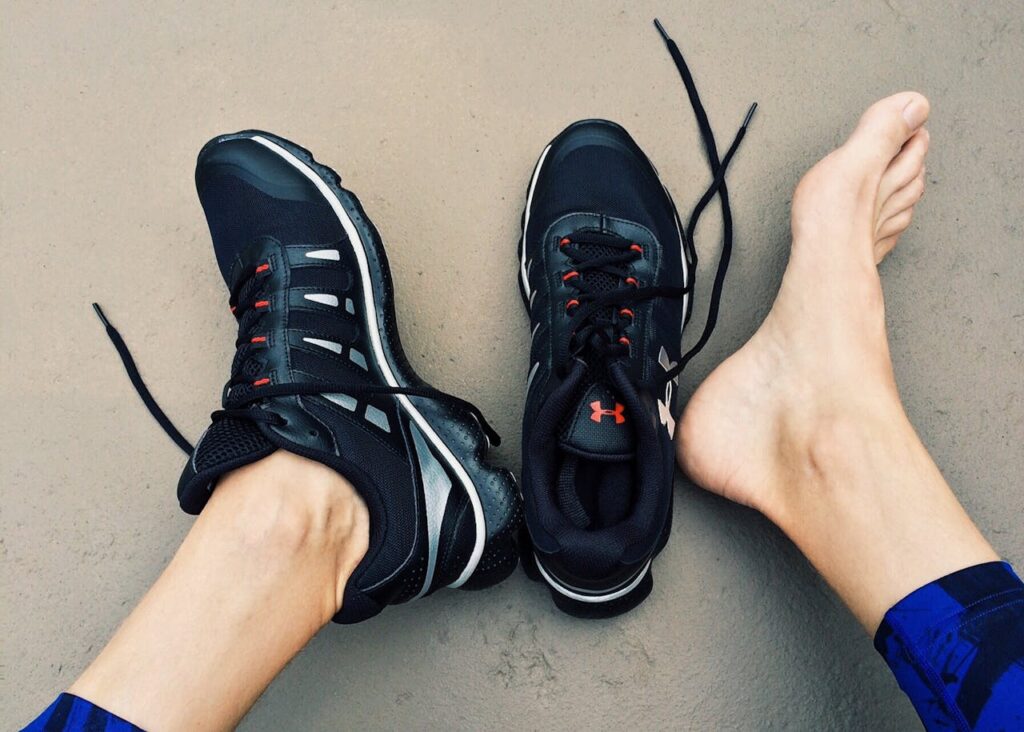
Ankle mobility is one of the most overlooked aspects of fitness, yet it plays a crucial role in everything from your daily walk to your athletic performance. Whether you’re a runner dealing with tight calves, an office worker experiencing stiffness, or an athlete looking to improve your squat depth, proper ankle mobility can transform your movement quality and reduce injury risk.
In this comprehensive guide, we’ll explore 12 proven ankle mobility exercises that combine both stretching and strengthening components, helping you build a foundation for better movement, improved performance, and long-term joint health.
Understanding Ankle Mobility: The Foundation of Movement
Ankle mobility refers to your ankle joint’s ability to move through its full range of motion in all directions. This complex joint system involves two primary movements:
- Dorsiflexion: Pulling your toes toward your shin (like when you walk uphill)
- Plantar flexion: Pointing your toes away from your shin (like when you push off during running)
Your ankle also performs inversion (turning inward), eversion (turning outward), and rotational movements that contribute to overall stability and function.
Why Ankle Mobility Matters
Poor ankle mobility creates a domino effect throughout your kinetic chain. When your ankles can’t move properly, your knees, hips, and lower back compensate, often leading to:
- Knee pain and tracking issues
- Hip tightness and reduced squat depth
- Lower back strain during movement
- Increased risk of ankle sprains and Achilles injuries
- Compromised balance and proprioception
Research shows that ankle injuries comprise up to 70% of running-related injuries below the knee, making ankle mobility work essential for injury prevention.
The 12 Best Ankle Mobility Exercises
Basic Mobility Exercises (1-4)
1. Ankle Circles
Target: General ankle mobility and joint lubrication
Start seated or lying down with one leg extended. Slowly rotate your ankle in large circles, focusing on moving through the full range of motion.
- Perform 10 circles clockwise, then 10 counterclockwise
- Keep the movement slow and controlled
- Repeat on both ankles
- Progression: Perform standing on one leg for added balance challenge
2. Ankle Alphabet
Target: Multi-directional ankle mobility
Using your big toe as a “pen,” trace the letters of the alphabet in the air. This exercise promotes movement in all planes of motion.
- Complete the full alphabet with each foot
- Focus on large, deliberate movements
- Perform 2-3 sets per ankle
- Progression: Trace letters while balancing on the opposite leg
3. Heel-to-Toe Walks
Target: Dynamic ankle mobility and balance
Walk in a straight line, placing your heel directly in front of your opposite toe with each step.
- Take 10-15 steps forward, then backward
- Keep your core engaged and eyes forward
- Focus on smooth weight transfer
- Progression: Close your eyes or walk on an uneven surface
4. Standing Calf Stretch (Wall Stretch)
Target: Gastrocnemius and soleus flexibility
Place your hands against a wall, step your right foot back 2-3 feet, and lean forward while keeping your back heel on the ground.
- Hold for 30-60 seconds per leg
- Keep your back leg straight for gastrocnemius stretch
- Bend your back knee slightly to target the soleus muscle
- Progression: Elevate your front foot on a step for deeper stretch
Intermediate Strength and Mobility (5-8)
5. Single-Leg Calf Raises
Target: Ankle strength and stability
Stand on one foot and rise up onto your toes, then slowly lower back down.
- Perform 10-15 repetitions per leg
- Focus on controlled movement, especially the lowering phase
- Use a wall for balance if needed
- Progression: Perform on a step for increased range of motion
6. Tibialis Raises
Target: Anterior tibialis strength and dorsiflexion
Stand with your back against a wall, heels about 6 inches from the wall. Lift your toes as high as possible while keeping your heels down.
- Perform 15-20 repetitions
- Hold the top position for 2-3 seconds
- Focus on the muscle on the front of your shin
- Progression: Add resistance with a band around your feet
7. Banded Ankle Dorsiflexion
Target: Dorsiflexion strength and mobility
Sit with legs extended, loop a resistance band around your foot, and pull your toes toward your shin against the band’s resistance.
- Perform 15-20 repetitions per foot
- Control both the pulling and releasing phases
- Adjust band tension as needed
- Progression: Perform single-leg while standing for functional strength
8. Elevated Dorsiflexion Stretch
Target: Deep dorsiflexion mobility
Place your foot on an elevated surface (step or curb) and lean forward, driving your knee over your toes.
- Hold for 30-45 seconds per leg
- Keep your heel down throughout the stretch
- Feel the stretch in your calf and Achilles tendon
- Progression: Add gentle oscillations or hold a weight for deeper stretch
Advanced Functional Movements (9-12)
9. Single-Leg Balance with Ankle Control
Target: Proprioception and ankle stability
Stand on one leg and maintain balance while performing small ankle movements in all directions.
- Hold for 30-60 seconds per leg
- Close your eyes for increased difficulty
- Add head movements or arm reaches
- Progression: Stand on an unstable surface like a foam pad
10. Lateral Ankle Walks
Target: Ankle eversion and inversion strength
Take small steps sideways, focusing on rolling through your feet and controlling ankle movement.
- Take 10-15 steps in each direction
- Keep your knees slightly bent
- Focus on smooth weight transfer
- Progression: Increase speed or add resistance bands around ankles
11. Plyometric Ankle Jumps
Target: Power and reactive ankle strength
Perform small jumps focusing on quick ground contact and using primarily your ankles and calves.
- Perform 2-3 sets of 10-15 jumps
- Land softly on the balls of your feet
- Minimize knee and hip movement
- Progression: Single-leg hops or directional jumps
12. Deep Squat Hold with Ankle Mobility
Target: Integrated ankle, hip, and knee mobility
Hold a deep squat position while gently rocking forward and backward to mobilize your ankles.
- Hold the squat for 30-60 seconds
- Rock forward to increase ankle dorsiflexion
- Keep your heels down if possible
- Progression: Add gentle side-to-side movements or hold weights
Sport-Specific and Population-Specific Modifications
For Runners
- Emphasize exercises 4, 5, 7, and 11 for injury prevention
- Perform mobility exercises pre-run and strength exercises 2-3x per week
- Focus on Achilles tendon flexibility and calf strength
For Dancers and Martial Artists
- Include exercises 1, 2, 8, and 12 for enhanced range of motion
- Add pointed-toe exercises for plantar flexion strength
- Emphasize single-leg balance and proprioception work
For Seniors
- Start with seated exercises (1, 2, 6) for safety
- Use wall support for standing exercises
- Focus on fall prevention through balance training (exercises 3, 9)
- Progress slowly and prioritize consistency over intensity
For Youth Athletes
- Make exercises fun with games and challenges
- Focus on proper movement patterns before adding intensity
- Include multi-directional movements for sport preparation
- Emphasize injury prevention education
Equipment Alternatives: Home vs. Gym
Minimal Equipment (Home)
- Use a towel instead of resistance bands
- Perform calf raises on stairs or thick books
- Use a wall for support and stretching
- Create unstable surfaces with pillows or folded towels
Gym Equipment Options
- Resistance bands and cables for variable resistance
- Balance boards and BOSU balls for proprioception
- Foam rollers for self-myofascial release
- Calf raise machines for progressive overload
Creating Your Ankle Mobility Program
Beginner Protocol (Weeks 1-4)
- Frequency: 3-4 times per week
- Duration: 10-15 minutes
- Focus: Exercises 1-6, emphasizing proper form and range of motion
- Progression: Increase hold times and repetitions gradually
Intermediate Protocol (Weeks 5-8)
- Frequency: 4-5 times per week
- Duration: 15-20 minutes
- Focus: All exercises, adding progressions as tolerated
- Progression: Introduce single-leg variations and unstable surfaces
Advanced Protocol (Weeks 9+)
- Frequency: 5-6 times per week
- Duration: 20-25 minutes
- Focus: Sport-specific applications and plyometric elements
- Progression: Integrate with sport training and add external resistance
Measuring Progress and Setting Milestones
Week 2 Goals
- Complete all basic exercises without pain
- Achieve 10-degree improvement in dorsiflexion range
Week 4 Goals
- Perform single-leg calf raises for 10 repetitions
- Hold single-leg balance for 30 seconds
Week 8 Goals
- Complete advanced progressions
- Demonstrate improved squat depth and movement quality
Week 12 Goals
- Integrate ankle mobility into daily activities seamlessly
- Show measurable improvements in sport-specific movements
The Connection to Hip and Knee Health
Ankle mobility directly impacts the entire lower kinetic chain. Limited ankle dorsiflexion forces the knee to track inward during squatting movements, potentially leading to patellofemoral pain syndrome. Similarly, poor ankle mobility can cause hip flexors to overwork, contributing to lower back pain.
By improving ankle mobility, you’re investing in the health of your entire lower body. Studies show that every 1-degree improvement in ankle dorsiflexion can reduce knee stress by up to 8% during functional movements.
When to Seek Professional Help
Consult a physical therapist or healthcare provider if you experience:
- Persistent pain during or after exercises
- Significant asymmetry between ankles
- History of ankle sprains or chronic instability
- No improvement after 6-8 weeks of consistent training
Integrating Ankle Mobility into Your Daily Routine
Morning Routine (5 minutes)
- Ankle circles and alphabet while having coffee
- Standing calf stretches during teeth brushing
Pre-Workout (5-7 minutes)
- Dynamic ankle circles and heel-toe walks
- Banded dorsiflexion and tibialis raises
Post-Workout (5-8 minutes)
- Static calf stretches and elevated dorsiflexion
- Single-leg balance and deep squat holds
Evening Wind-Down (3-5 minutes)
- Gentle ankle circles and stretches while watching TV
- Self-massage and relaxation techniques
Conclusion: Building Your Foundation for Better Movement
Ankle mobility is the foundation upon which all movement is built. By incorporating these 12 exercises into your routine, you’re not just improving your ankles—you’re enhancing your entire movement system. Whether your goal is injury prevention, athletic performance, or simply moving better in daily life, consistent ankle mobility work will pay dividends for years to come.
Start with the basic exercises, progress gradually, and listen to your body. Remember, the best exercise program is the one you’ll actually do consistently. Begin today, and in just a few weeks, you’ll notice improvements in your balance, movement quality, and overall lower body function.
Ready to get started? Choose 4-5 exercises from this list and commit to performing them 3 times this week. Your ankles—and your entire body—will thank you.
Frequently Asked Questions
Q: How often should I do ankle mobility exercises?
A: For general maintenance, 3-4 times per week is sufficient. If you’re recovering from an injury or have significant restrictions, daily practice may be beneficial. Always start conservatively and progress gradually.
Q: Can I do these exercises if I have a history of ankle sprains?
A: Most of these exercises are safe for people with previous ankle injuries, but start with the basic movements and avoid any that cause pain. Consider consulting a physical therapist for personalized guidance, especially if you have chronic instability.
Q: How long before I see improvements in my ankle mobility?
A: Most people notice improvements in flexibility within 2-3 weeks of consistent practice. Strength gains typically take 4-6 weeks to become apparent. Functional improvements in activities like squatting may be noticeable within the first week.
Q: Should I do these exercises before or after my workout?
A: Dynamic mobility exercises (like ankle circles and heel-toe walks) are excellent for warm-ups. Static stretches and strength exercises work well post-workout or as standalone sessions. Listen to your body and adjust timing based on your needs.
Q: What’s the difference between ankle mobility and ankle stability?
A: Mobility refers to the range of motion available at the joint, while stability is your ability to control that range of motion. Both are important—you need adequate mobility to move well and sufficient stability to move safely. The exercises in this guide address both components.