
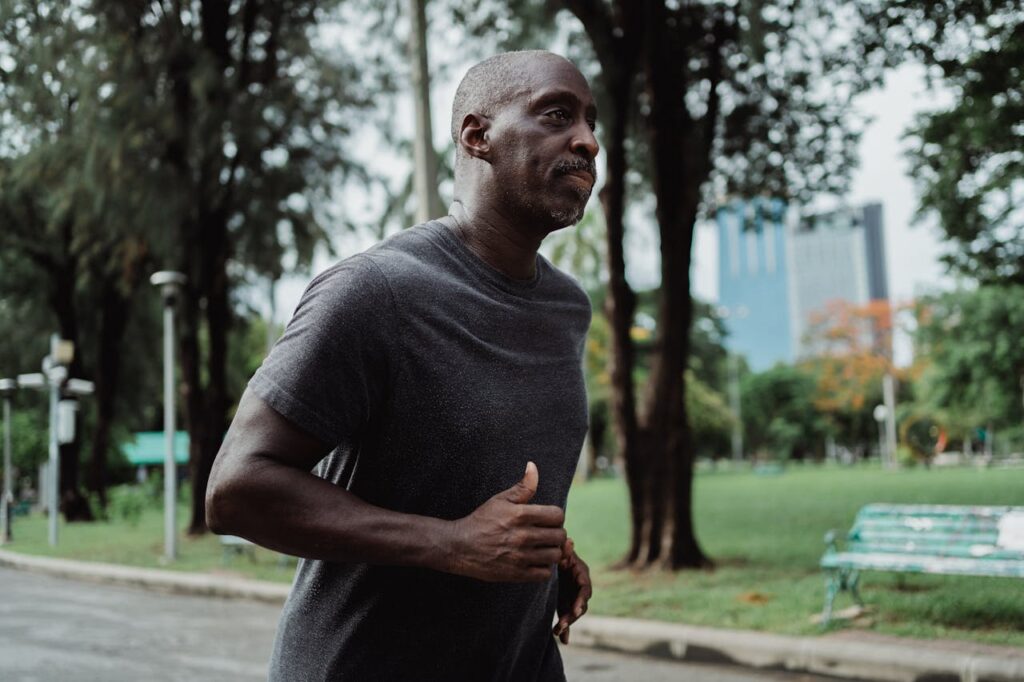
Losing significant weight is often celebrated as a major achievement, but what happens after you reach your goal weight? Life after weight loss brings a complex mix of physical, emotional, and social changes that many people don’t anticipate. Whether you’ve lost weight through bariatric surgery, GLP-1 medications like Ozempic or Mounjaro, or traditional diet and exercise, the journey doesn’t end when the scale hits your target number.
Understanding what to expect in your post-weight loss life can help you navigate the challenges and celebrate the victories that come with your transformation. This comprehensive guide explores the realities of life after weight loss, from psychological adjustments to practical strategies for long-term success.
The Psychological Journey: More Complex Than Expected
Phantom Fat Syndrome and Body Image Challenges
One of the most surprising aspects of life after weight loss is the phenomenon known as “phantom fat syndrome” or “ghost fat.” Many people who have lost significant weight continue to perceive themselves as larger than they actually are. This psychological disconnect between your actual body size and your mental image can persist for months or even years after reaching your goal weight.
Common experiences include:
- Reaching for larger clothing sizes out of habit
- Feeling surprised when fitting through narrow spaces
- Avoiding mirrors or photographs despite weight loss success
- Continuing to feel self-conscious about your appearance
Body Dysmorphia and Mental Health Considerations
Extreme weight loss can sometimes trigger or worsen body dysmorphia, where you develop a distorted perception of your physical appearance. This condition can lead to:
- Obsessive thoughts about perceived flaws
- Compulsive behaviors around food or exercise
- Social withdrawal and isolation
- Depression or anxiety symptoms
Research shows that some individuals experience increased rates of depression and even suicidal thoughts after significant weight loss, particularly in the first year following bariatric surgery. This counterintuitive response highlights the importance of mental health support throughout your weight loss journey.
Social Dynamics: How Others Treat You Differently

The Reality of Weight Bias
One of the most jarring aspects of life after weight loss is experiencing how differently people treat you. Many individuals report receiving more positive attention, better service, and increased social opportunities after losing weight. While this can boost confidence, it can also be emotionally challenging as it highlights the weight bias that exists in society.
Common social changes include:
- Increased attention from romantic interests
- More positive interactions with healthcare providers
- Better treatment in professional settings
- Enhanced social invitations and opportunities
Navigating Relationships and Identity Changes
Significant weight loss can strain existing relationships and create new dynamics with family and friends. Some people may feel threatened by your transformation, while others might make inappropriate comments about your appearance or eating habits. These relationship shifts can be particularly challenging when they involve close family members or long-term friends.
Physical Realities: Beyond the Scale
Loose Skin and Body Contouring Considerations
Rapid or significant weight loss often results in excess loose skin, particularly for those who have lost 100+ pounds. This physical reminder of your previous weight can impact body image and self-confidence. Understanding your options is crucial:
Non-surgical approaches:
- Strength training to build muscle mass
- Proper hydration and nutrition for skin health
- Gradual weight loss to minimize skin elasticity issues
Surgical options:
- Body contouring procedures (tummy tuck, arm lift, thigh lift)
- Insurance coverage considerations for medically necessary procedures
- Recovery time and realistic expectations
Metabolic Changes and Maintenance Challenges
Your body undergoes significant metabolic changes after weight loss, often making it more challenging to maintain your new weight. These changes include:
- Decreased metabolic rate
- Increased hunger hormones (ghrelin)
- Reduced satiety hormones (leptin)
- Enhanced food reward sensitivity
Understanding these biological factors can help you develop realistic expectations and strategies for long-term weight maintenance.
Strategies for Long-Term Success

Building a Comprehensive Support System
Creating a strong support network is essential for maintaining both your physical and mental health after weight loss. This should include:
Professional support:
- Regular follow-ups with your healthcare provider
- Mental health counseling or therapy
- Nutritionist or dietitian guidance
- Support groups (in-person or online)
Personal support:
- Family and friends who understand your journey
- Workout partners or fitness communities
- Online communities and forums
- Mentorship relationships with others who have maintained weight loss
Developing Sustainable Lifestyle Habits
Long-term weight maintenance requires ongoing commitment to healthy lifestyle habits. Focus on:
Nutrition strategies:
- Mindful eating practices
- Regular meal planning and preparation
- Understanding portion sizes for your new body
- Addressing emotional eating triggers
Physical activity:
- Finding enjoyable forms of exercise
- Incorporating both cardio and strength training
- Setting non-scale fitness goals
- Adapting activities as your body changes
Mental Health Maintenance
Prioritizing your mental health is crucial for long-term success. Consider these approaches:
- Regular stress management techniques (meditation, yoga, deep breathing)
- Adequate sleep (7-9 hours per night)
- Professional therapy when needed
- Celebrating non-scale victories and achievements
Different Paths, Similar Challenges
Life After Bariatric Surgery
Bariatric surgery patients face unique challenges in their post-weight loss journey:
- Strict dietary guidelines and portion restrictions
- Potential nutritional deficiencies requiring supplementation
- Risk of dumping syndrome with certain foods
- Need for lifelong medical monitoring
Adjusting to GLP-1 Medications
Those using GLP-1 medications like Ozempic, Wegovy, or Mounjaro experience their own set of considerations:
- Managing side effects and medication tolerance
- Understanding insurance coverage and cost implications
- Developing strategies for potential medication discontinuation
- Addressing “food noise” reduction and appetite changes
Traditional Diet and Exercise Success
Individuals who achieved weight loss through lifestyle changes alone often face:
- Higher risk of weight regain without medical intervention
- Need for continued caloric restriction and exercise vigilance
- Psychological challenges around food freedom and flexibility
- Importance of behavioral modification techniques
Financial and Practical Considerations

Insurance and Healthcare Costs
Life after weight loss often involves ongoing healthcare expenses that many people don’t anticipate:
- Regular medical monitoring and lab work
- Potential plastic surgery for excess skin removal
- Mental health counseling and therapy
- Nutritional supplements and specialized foods
Wardrobe and Lifestyle Adjustments
The practical aspects of maintaining a new body size include:
- Complete wardrobe replacement (potentially multiple times)
- Adjusting to new clothing sizes and styles
- Investment in quality, well-fitting undergarments
- Adapting home environment and furniture as needed
Warning Signs and When to Seek Help
It’s important to recognize when you might need additional support during your post-weight loss journey. Seek professional help if you experience:
- Persistent negative thoughts about your body or appearance
- Obsessive behaviors around food, exercise, or weight monitoring
- Social isolation or relationship difficulties
- Signs of depression, anxiety, or suicidal thoughts
- Rapid weight regain or loss of control around eating
Creating Your Personal Success Plan

Developing a personalized plan for life after weight loss should include:
- Regular medical monitoring with healthcare providers familiar with weight loss maintenance
- Mental health support through counseling, therapy, or support groups
- Nutritional guidance from qualified professionals
- Fitness planning that evolves with your changing body and interests
- Social support from understanding family, friends, and communities
- Financial planning for ongoing healthcare and lifestyle costs
Frequently Asked Questions
Q: How long does it take to adjust mentally to your new body after significant weight loss?
A: The psychological adjustment period varies greatly among individuals, but most people report that it takes 6 months to 2 years to fully adapt to their new body image. Some aspects of phantom fat syndrome may persist longer, and professional counseling can help accelerate this process.
Q: Is it normal to feel sad or depressed after reaching my weight loss goal?
A: Yes, post-weight loss depression is more common than many people realize. The combination of hormonal changes, social adjustments, and the psychological impact of achieving a major goal can trigger depressive episodes. If these feelings persist, seek professional mental health support.
Q: Will I need to follow a special diet for the rest of my life?
A: The dietary requirements depend on your weight loss method. Bariatric surgery patients typically need to follow specific guidelines permanently, while those who used medications or lifestyle changes may have more flexibility. However, all successful weight maintainers need to remain mindful of their eating habits long-term.
Q: How can I deal with people making comments about my weight loss?
A: Prepare standard responses for common comments, set boundaries about what you’re comfortable discussing, and remember that you don’t owe anyone explanations about your health decisions. Consider working with a therapist to develop coping strategies for social situations.
Conclusion: Embracing Your New Life
Life after weight loss is a journey of continuous adaptation and growth. While the challenges are real and sometimes unexpected, understanding what to expect can help you navigate this transition more successfully. Remember that seeking support is a sign of strength, not weakness, and that maintaining your weight loss is an ongoing process that deserves the same attention and commitment you gave to losing the weight initially.
Your weight loss achievement is significant, but it’s just the beginning of a new chapter in your life. By addressing the physical, mental, and social aspects of your transformation with equal attention, you can build a sustainable, healthy lifestyle that supports both your new body and your overall well-being.
Ready to take the next step in your post-weight loss journey? Consider scheduling appointments with a mental health counselor, nutritionist, and your primary care physician to create a comprehensive support plan tailored to your specific needs and goals.