
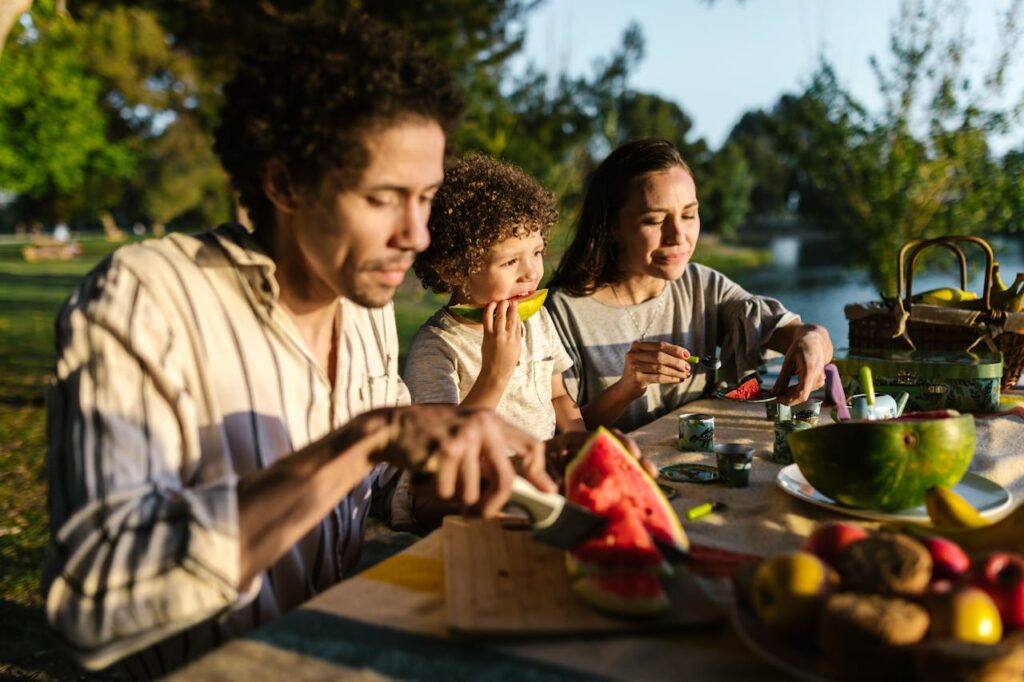
Summer is finally here, and with it comes longer days, warmer weather, and countless opportunities to embrace a healthier lifestyle. Whether you’re planning family vacations, backyard barbecues, or simply enjoying more time outdoors, this season offers unique advantages for improving your overall wellness. However, the summer months also present specific health challenges that require thoughtful preparation and smart choices.
From staying properly hydrated in the heat to protecting your skin from harmful UV rays, maintaining your health during summer requires a strategic approach. The good news? You don’t need complicated routines or expensive supplements to thrive this season. With these five simple yet effective tips, you’ll be equipped to make the most of summer while keeping your health and energy levels at their peak.
1. Master Your Hydration Game
The Foundation of Summer Wellness
Proper hydration forms the cornerstone of summer health, yet many people underestimate just how much their fluid needs increase during warmer months. When temperatures rise, your body works overtime to maintain its core temperature through sweating, which can lead to rapid fluid loss if you’re not proactive about replacement.
The Golden Rule: Aim to drink at least half your body weight in ounces of water daily, and increase this amount on particularly hot days or when you’re active outdoors. For a 150-pound person, this means consuming a minimum of 75 ounces of water throughout the day.
Smart Hydration Strategies
- Start early: Begin hydrating as soon as you wake up with a large glass of water
- Set reminders: Use phone alerts or apps to prompt regular water breaks
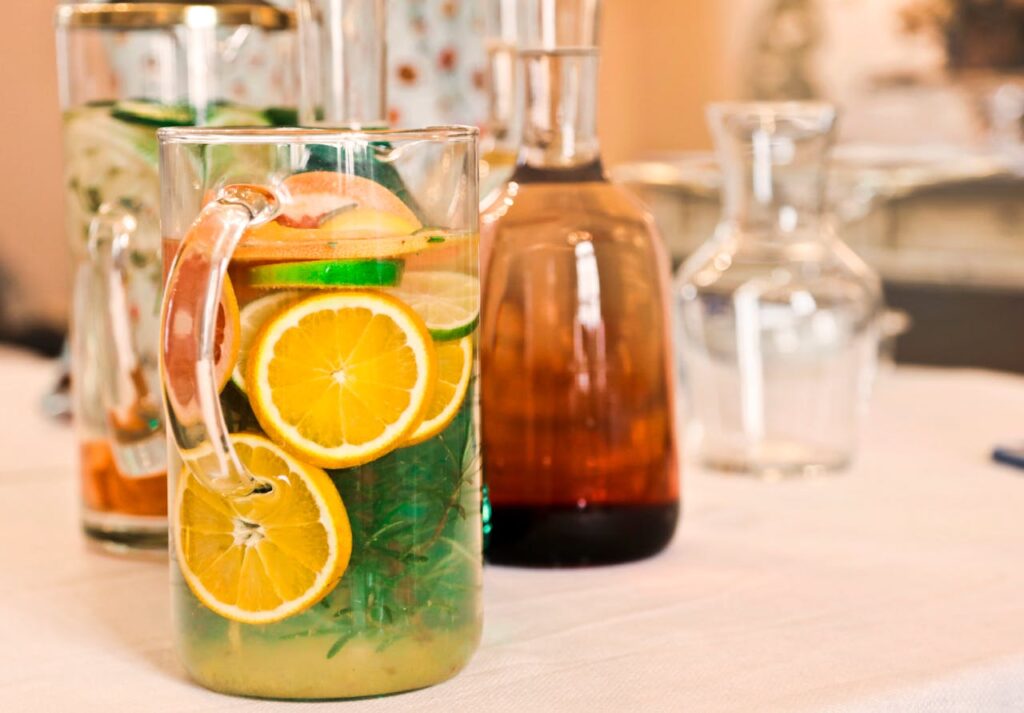
- Flavor naturally: Add slices of cucumber, lemon, lime, or fresh mint to make water more appealing
- Monitor your urine: Pale yellow indicates good hydration; dark yellow suggests you need more fluids
Natural Electrolyte Balance
When you’re sweating heavily, water alone isn’t always enough. Create your own natural electrolyte drink by mixing:
- 16 ounces of filtered water
- Juice of half a lemon or lime
- 1/4 teaspoon of high-quality sea salt
- Optional: 1 tablespoon of raw honey for natural energy
This homemade solution provides essential minerals without the artificial colors, flavors, and excessive sugars found in many commercial sports drinks.
Hydrating Foods to Include
Don’t forget that approximately 20% of your daily fluid intake comes from food. Incorporate these water-rich options into your summer meals:
- Watermelon (92% water content)
- Cucumbers (95% water content)
- Tomatoes (94% water content)
- Zucchini (95% water content)
- Bell peppers (92% water content)
2. Embrace Seasonal Eating for Optimal Nutrition
The Power of Fresh, Local Produce
Summer offers an incredible bounty of fresh fruits and vegetables that are not only delicious but also perfectly designed to support your body’s needs during warmer months. Seasonal eating isn’t just a trendy concept—it’s a time-tested approach that provides optimal nutrition while supporting local agriculture and reducing your environmental footprint.
Create a Summer Produce Adventure
Make healthy eating exciting by creating a “bucket list” of seasonal fruits and vegetables to try throughout the summer. This approach works particularly well for families, encouraging children to explore new flavors while developing healthy eating habits.
Summer Superstar Fruits:
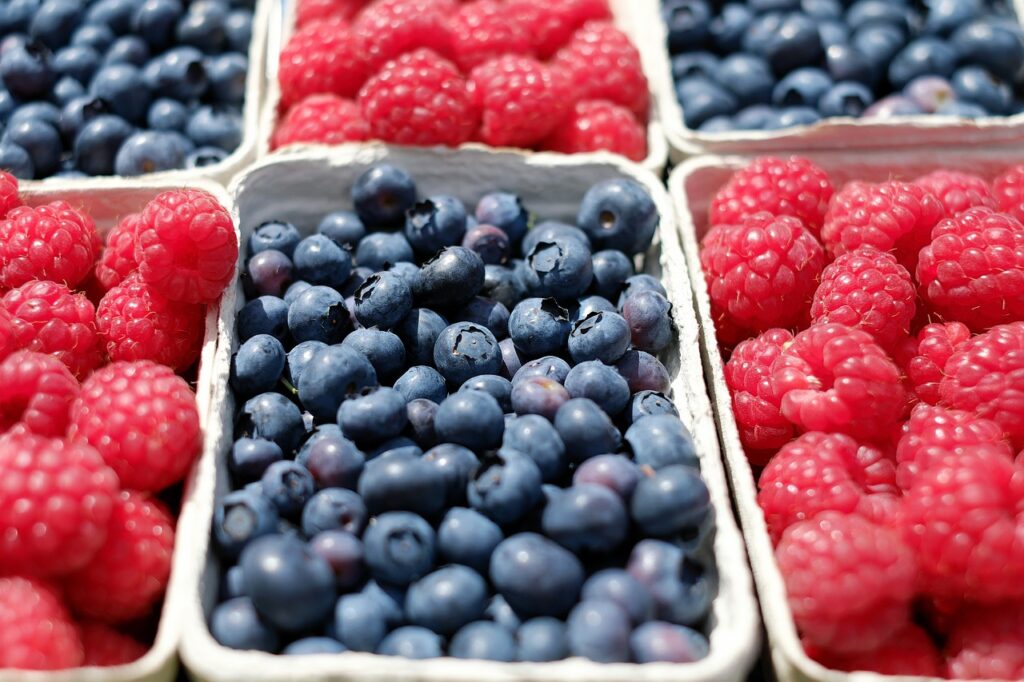
- Berries (blueberries, strawberries, raspberries, blackberries)
- Stone fruits (peaches, plums, apricots, nectarines)
- Melons (watermelon, cantaloupe, honeydew)
- Cherries and grapes
Nutrient-Dense Summer Vegetables:
- Leafy greens (spinach, arugula, lettuce varieties)
- Squash varieties (zucchini, yellow squash, pattypan)
- Tomatoes in all their varieties
- Corn, bell peppers, and eggplant
Smart Shopping Strategies
- Visit farmers’ markets: Get the freshest produce while supporting local growers
- Buy in season: Seasonal produce is typically more affordable and nutrient-dense
- Prep ahead: Wash and cut vegetables when you get home to make healthy snacking easier
- Freeze extras: Preserve peak-season flavors for year-round enjoyment
Meal Planning Made Simple
Dedicate 30 minutes each week to planning your meals around seasonal produce. This simple habit can dramatically improve your nutrition while reducing food waste and grocery costs. Focus on versatile ingredients that can be used in multiple dishes throughout the week.
3. Optimize Your Outdoor Exercise Routine
Take Advantage of Extended Daylight
Summer’s longer days provide more opportunities for outdoor physical activity, but exercising in heat requires smart timing and preparation. The key is working with your environment rather than against it.
Best Times for Summer Exercise
Early Morning (6-8 AM):
- Cooler temperatures and lower humidity
- Less crowded parks and trails
- Energizing start to your day
- Better air quality in urban areas
Evening Hours (6-8 PM):
- Temperatures begin to cool
- Great way to unwind after work
- Beautiful sunset views for motivation
Heat-Safe Exercise Guidelines
- Check the heat index: Avoid outdoor exercise when it exceeds 90°F
- Dress appropriately: Light-colored, loose-fitting, moisture-wicking clothing
- Protect your head: Wear a hat or visor to shield your face and scalp
- Listen to your body: Stop immediately if you experience dizziness, nausea, or excessive fatigue
Diverse Summer Activity Options
Water-Based Activities:
- Swimming (excellent full-body, low-impact exercise)
- Water aerobics or aqua jogging
- Paddleboarding or kayaking
- Beach volleyball or water basketball
Land-Based Alternatives:
- Early morning hiking or nature walks
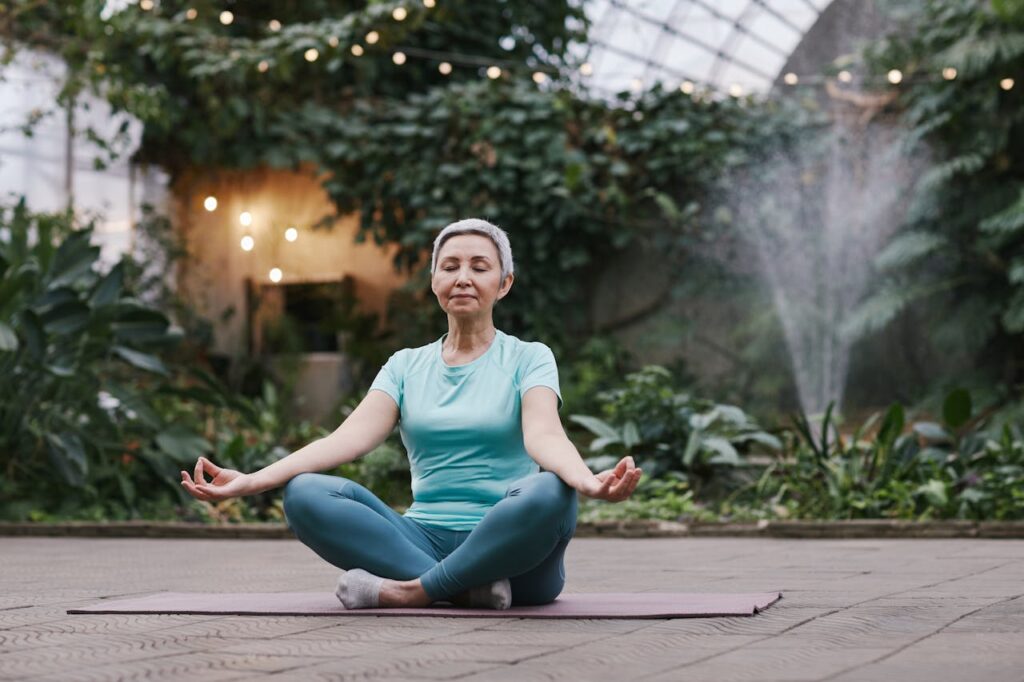
- Outdoor yoga in parks or your backyard
- Cycling on shaded trails
- Gardening (surprisingly effective exercise!)
Family-Friendly Movement
Make physical activity a family affair by planning active outings that everyone can enjoy. This approach helps children develop positive associations with exercise while creating lasting memories.
- Organize family bike rides or nature scavenger hunts
- Set up backyard obstacle courses or games
- Plan active vacations that include hiking, swimming, or exploring new cities on foot
- Aim for at least one hour of active play daily for children
4. Master Healthy Grilling and Food Safety
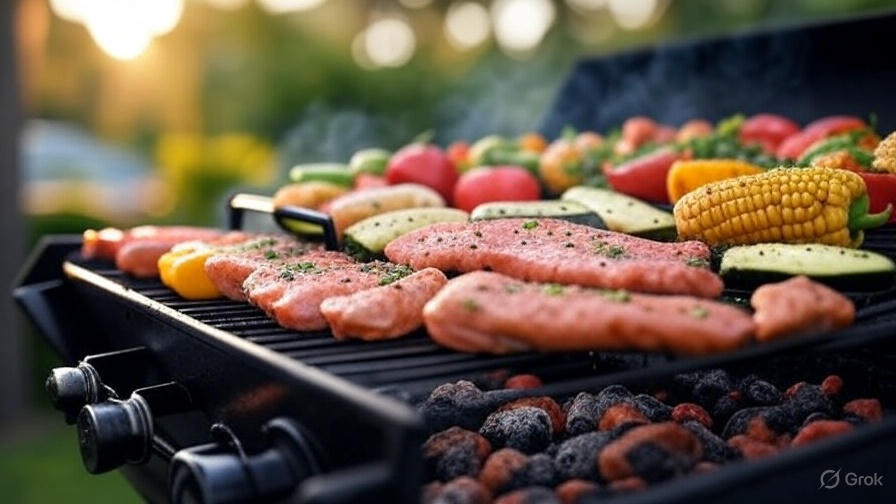
Transform Your Barbecue Game
Summer grilling doesn’t have to mean sacrificing your health goals. With smart preparation and cooking techniques, you can create delicious, nutritious meals that everyone will love while avoiding the pitfalls of processed meats and excessive charring.
Healthy Protein Choices
Lean Options:
- Wild-caught fish (salmon, tuna, mahi-mahi)
- Organic chicken breast or thighs
- Grass-fed lean beef or bison
- Plant-based proteins (portobello mushrooms, veggie burgers, tofu)
Vegetable Grilling Mastery
Don’t limit your grill to just proteins. Vegetables take on incredible flavors when grilled properly:
Easy Grilling Vegetables:
- Zucchini and yellow squash (slice lengthwise)
- Bell peppers (quartered and seeded)
- Eggplant (thick rounds or long strips)
- Corn on the cob (in husks for natural steaming)
- Asparagus spears
- Cherry tomatoes (in grill baskets)
Food Safety Essentials
Summer heat creates ideal conditions for bacterial growth, making food safety crucial:
- Keep cold foods cold: Use plenty of ice and insulated coolers
- Separate raw and cooked: Use different plates and utensils
- Cook to proper temperatures: Use a meat thermometer to ensure safety
- Don’t leave food out: Follow the “2-hour rule” (1 hour if temperature exceeds 90°F)
Healthy Marinades and Seasonings
Create flavorful, antioxidant-rich marinades using:
- Olive oil and balsamic vinegar
- Fresh herbs (rosemary, thyme, oregano, basil)
- Citrus juices and zest
- Garlic and ginger
- Spices like paprika, cumin, and black pepper
These natural flavor enhancers reduce the need for processed sauces while providing additional health benefits.
5. Prioritize Comprehensive Sun Protection
Beyond Basic Sunscreen
While sunscreen is essential, comprehensive sun protection involves multiple strategies working together to keep your skin healthy and reduce your risk of skin cancer and premature aging.
The Sunscreen Science
Choose Broad-Spectrum Protection:
- SPF 30 minimum for daily use
- SPF 50+ for extended outdoor activities
- Zinc oxide or titanium dioxide for sensitive skin
- Water-resistant formulas for swimming or sweating
Application Best Practices:
- Apply 30 minutes before sun exposure
- Use 1 ounce (2 tablespoons) for full body coverage
- Reapply every 2 hours or after swimming/sweating
- Don’t forget often-missed spots: ears, feet, lips, and scalp
Natural Sun Protection Recipe
For those preferring natural alternatives, here’s a simple homemade sunscreen recipe:
Ingredients:
- 1/4 cup coconut oil
- 2 tablespoons shea butter
- 2 tablespoons zinc oxide powder
- 1 tablespoon beeswax
- Optional: 10 drops of carrot seed essential oil
Instructions:
- Melt coconut oil, shea butter, and beeswax in a double boiler
- Remove from heat and whisk in zinc oxide powder
- Add essential oil if using
- Pour into small containers and let cool
Note: This provides approximately SPF 20-25 protection and should be reapplied frequently.
Multi-Layered Protection Strategy
- Seek shade: Especially during peak UV hours (10 AM – 4 PM)
- Wear protective clothing: Long sleeves, pants, and wide-brimmed hats
- Use UV-blocking sunglasses: Protect the delicate skin around your eyes
- Plan indoor activities: During the hottest parts of the day
Recognizing Heat-Related Illness
Understanding the warning signs of heat exhaustion and heat stroke can be life-saving:
Heat Exhaustion Symptoms:
- Heavy sweating or stopped sweating
- Weakness or fatigue
- Dizziness or nausea
- Headache
- Muscle cramps
Immediate Actions:
- Move to a cool, shaded area
- Remove excess clothing
- Apply cool water to skin
- Drink cool fluids if conscious
- Seek medical attention if symptoms worsen
Bonus Tips for Complete Summer Wellness
Maintain Healthy Sleep Habits
Summer’s extended daylight and social activities can disrupt sleep patterns, but quality rest remains crucial for overall health:
- Keep bedrooms cool: Aim for 65-68°F for optimal sleep
- Use blackout curtains: Block early morning sunlight
- Maintain consistent bedtimes: Even during vacation periods
- Limit screen time: Blue light can interfere with natural sleep cycles
Address Summer Allergies
Many people experience increased allergy symptoms during summer months:
- Monitor pollen counts: Plan outdoor activities accordingly
- Shower after outdoor time: Remove allergens from hair and skin
- Keep windows closed: During high pollen days
- Consider natural antihistamines: Quercetin and local honey may help
Support Mental Health and Social Connections
Summer wellness extends beyond physical health to include emotional and social well-being:
- Plan regular social activities: Picnics, barbecues, and outdoor gatherings
- Practice mindfulness outdoors: Meditation or yoga in natural settings
- Limit social media: Spend more time in real-world connections
- Embrace seasonal activities: Swimming, hiking, or gardening for mood benefits
Your Path to a Healthier Summer
Implementing these five simple strategies doesn’t require dramatic lifestyle changes or expensive investments. Start with one or two tips that resonate most with you, then gradually incorporate the others as they become natural habits.
Remember that small, consistent actions compound over time to create significant health improvements. Whether you’re focusing on better hydration, exploring seasonal foods, or optimizing your exercise routine, each positive choice contributes to your overall summer wellness.
The key to success lies in preparation and mindfulness. Plan ahead for hot weather, stock your kitchen with seasonal produce, and listen to your body’s needs as they change with the temperature and your activity levels.
Frequently Asked Questions
Q: How much water should I drink during hot summer days?
A: Start with half your body weight in ounces as a baseline, then add 12-16 ounces for every hour of outdoor activity or when temperatures exceed 85°F. Monitor your urine color as a hydration indicator.
Q: What’s the best time to exercise outdoors in summer?
A: Early morning (6-8 AM) or evening hours (after 6 PM) when temperatures are cooler. Avoid outdoor exercise when the heat index exceeds 90°F.
Q: Can I get enough sun protection from natural ingredients?
A: While natural sunscreens can provide some protection, they typically offer lower SPF levels and require more frequent reapplication. For extended sun exposure, combine natural options with other protective measures like clothing and shade.
Q: How can I tell if seasonal produce is at its peak?
A: Look for vibrant colors, firm texture, and pleasant aroma. Shop at farmers’ markets where vendors can tell you when items were harvested, and don’t be afraid to ask for recommendations.
Q: What are the warning signs that I need to get out of the heat?
A: Stop outdoor activities immediately if you experience dizziness, nausea, headache, confusion, rapid heartbeat, or if you stop sweating despite being hot. Move to a cool area and seek medical attention if symptoms persist.
Make this summer your healthiest yet by implementing these evidence-based strategies. Your body will thank you for the extra care and attention, and you’ll have more energy to enjoy all the season has to offer.