

Winter doesn’t have to derail your fitness routine. While dropping temperatures and shorter days can make hitting your daily step goals feel impossible, the right strategies can keep you moving all season long. Whether you’re aiming for 10,000 steps or have a different target, this comprehensive guide will help you maintain your walking habit when it’s dark and cold outside.
Why Winter Step Goals Matter More Than Ever
Before diving into solutions, it’s important to understand why maintaining your step goals during cold weather is crucial for both physical and mental health. Research shows that regular walking during winter months can combat seasonal affective disorder (SAD), boost immune function, and prevent the weight gain that often accompanies colder seasons.
The challenge isn’t just physical—it’s psychological. When daylight hours shrink and temperatures plummet, our motivation naturally decreases. However, with the right approach, you can turn winter into an opportunity to diversify your movement routine and discover new ways to stay active.
1. Master the Art of Indoor Walking Alternatives
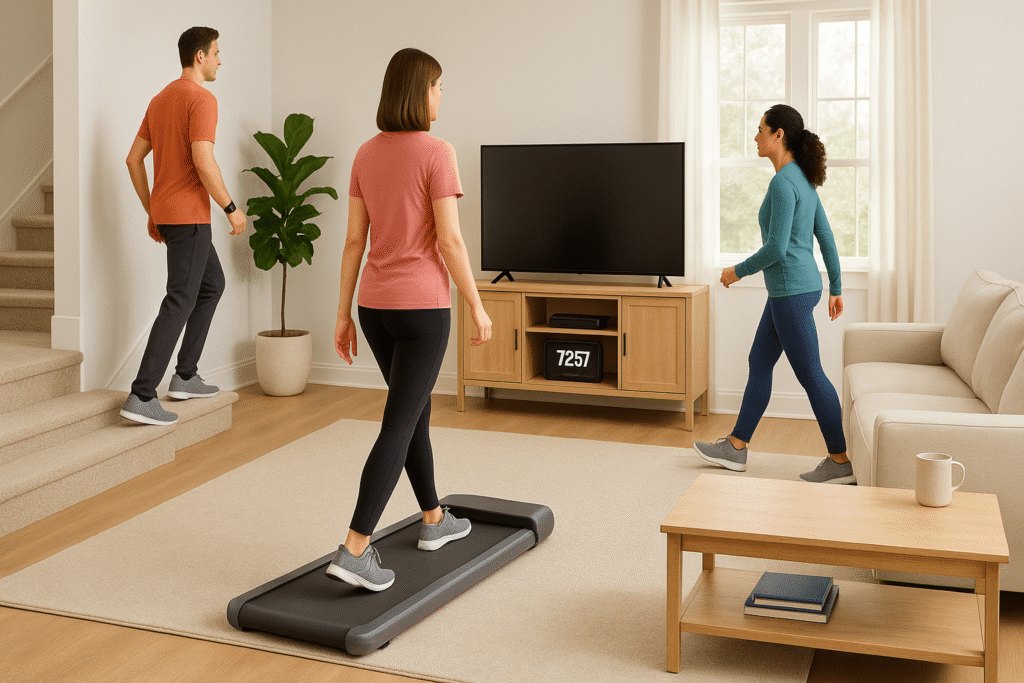
Transform Your Home Into a Walking Haven
Your home offers countless opportunities for accumulating steps without facing harsh weather conditions. Here are proven strategies:
- Walking pad workouts: Invest in a compact walking pad that fits under your standing desk or in front of your TV. These devices allow you to walk while working, watching shows, or taking phone calls.
- Stair climbing sessions: If you have stairs, use them strategically. Climbing stairs burns more calories than flat walking and can quickly boost your step count.
- Indoor walking circuits: Create a walking route through your home. Walk from room to room, around furniture, or up and down hallways while listening to podcasts or music.
Utilize Public Indoor Spaces
- Mall walking programs: Many shopping centers open early specifically for walkers. These climate-controlled environments offer safe, flat surfaces and often have marked walking routes.
- Gym tracks and treadmills: If you have gym access, indoor tracks provide consistent conditions regardless of weather. Treadmills offer the added benefit of incline options to increase intensity.
- Airport and large building walking: Large public buildings like airports, hospitals, and universities often have long corridors perfect for walking.
2. Revolutionize Your Daily Activities for Maximum Steps
The “Inefficiency Method”
Deliberately make your daily tasks less efficient to increase movement:
- Multiple grocery trips: Instead of one large shopping trip, make several smaller ones throughout the week
- Take the long route: Choose longer paths to destinations, park farther away, or get off public transport one stop early
- Break up chores: Instead of doing all cleaning at once, spread tasks throughout the day to create more movement opportunities
Workplace Walking Strategies
- Walking meetings: Suggest phone calls or one-on-one meetings be conducted while walking
- Hourly movement breaks: Set reminders to take 5-10 minute walking breaks every hour
- Lunch break walks: Use part of your lunch break for indoor walking, even if it’s just around your office building
3. Winter-Proof Your Outdoor Walking Gear
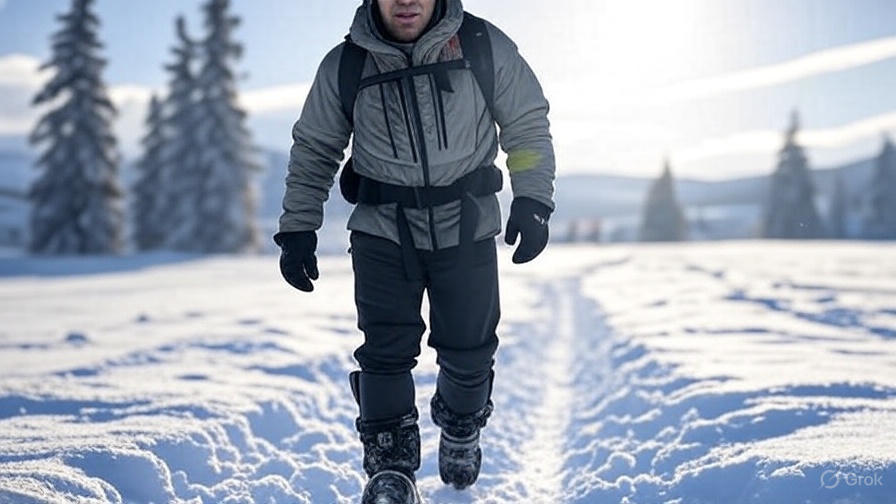
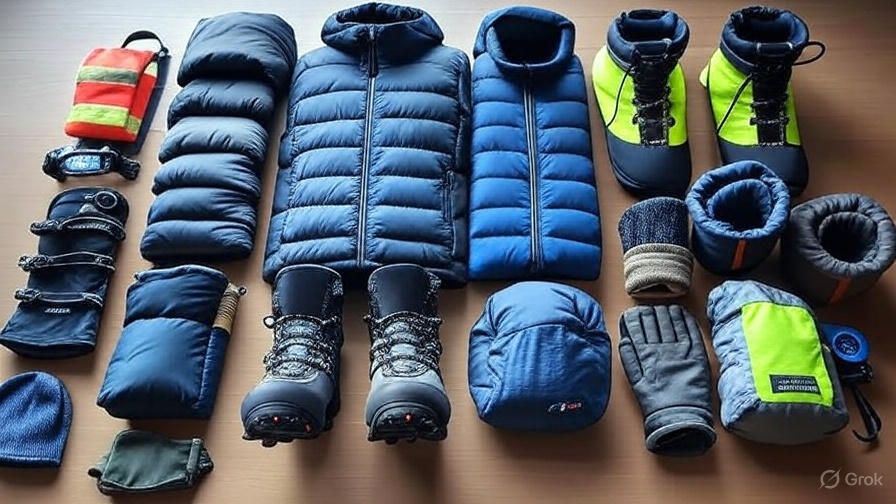
Essential Layering System
When you do venture outside, proper gear makes all the difference:
- Base layer: Moisture-wicking materials that keep sweat away from your skin
- Insulating layer: Fleece or down for warmth retention
- Outer shell: Waterproof and windproof protection
- Extremities protection: Insulated gloves, warm hat, and neck gaiter
Footwear for Winter Walking
- Traction devices: Microspikes or ice cleats for icy conditions
- Insulated boots: Waterproof boots with good insulation ratings
- Moisture-wicking socks: Wool or synthetic materials that prevent blisters and keep feet dry
Safety Equipment for Dark Conditions
- Reflective gear: Vests, armbands, or clothing with reflective strips
- LED lights: Headlamps or clip-on lights for visibility
- Phone safety apps: Apps that share your location with emergency contacts
4. Harness Technology and Gamification

Fitness Tracking Optimization
- Set progressive goals: Start with achievable targets and gradually increase
- Use step challenges: Join online communities or challenge friends and family
- Track multiple metrics: Monitor not just steps but also active minutes, floors climbed, and calories burned
Entertainment Integration
- Podcast walking: Save favorite podcasts exclusively for walking time
- Audiobook adventures: Use walking time to “read” books you’ve been meaning to get to
- Music motivation: Create energizing playlists specifically for indoor walking sessions
5. Address Mental Health and Motivation Challenges
Combat Seasonal Affective Disorder (SAD)
Winter walking becomes even more important for those affected by SAD:
- Morning light exposure: Walk outside during the brightest part of the day, even if it’s cloudy
- Light therapy combination: Use a light therapy lamp while walking on a treadmill
- Vitamin D supplementation: Consult with healthcare providers about vitamin D to support mood and energy
Motivation Maintenance Strategies
- Flexible goal setting: Adjust step goals based on weather conditions rather than maintaining rigid targets
- Reward systems: Set up rewards for meeting weekly or monthly step goals
- Social accountability: Join walking groups or online communities for support and motivation
6. Nutrition and Hydration for Winter Walking
Fuel Your Winter Workouts
Cold weather walking requires specific nutritional considerations:
- Pre-walk nutrition: Light snacks with complex carbohydrates 30-60 minutes before walking
- Hydration awareness: You still need adequate hydration in cold weather, even if you don’t feel as thirsty
- Post-walk recovery: Protein and carbohydrates within 30 minutes of longer walking sessions
Immune System Support
- Antioxidant-rich foods: Berries, leafy greens, and colorful vegetables to support immune function
- Adequate protein: Support muscle recovery and immune system function
- Consistent meal timing: Regular eating patterns support energy levels and motivation
7. Create Community and Social Support

Group Walking Solutions
- Indoor walking groups: Organize or join groups that meet in malls, community centers, or gyms
- Virtual walking challenges: Participate in online step challenges with friends or coworkers
- Family walking activities: Include family members in indoor walking games or challenges
Professional Support Options
- Personal trainers: Work with fitness professionals who specialize in winter exercise programs
- Physical therapy consultation: Address any mobility limitations that might affect winter walking
- Mental health support: Consider counseling if seasonal depression significantly impacts motivation
8. Adapt Goals for Different Fitness Levels
Beginner-Friendly Approaches
- Start small: Begin with 3,000-5,000 steps daily and gradually increase
- Focus on consistency: Prioritize daily movement over hitting specific numbers
- Celebrate small wins: Acknowledge progress even if goals aren’t fully met
Advanced Strategies
- Interval walking: Incorporate high-intensity intervals during indoor walking sessions
- Weighted walking: Add light weights or weighted vests for increased challenge
- Cross-training integration: Combine walking with other indoor activities like yoga or strength training
9. Winter Safety Protocols
Ice and Snow Navigation
- Surface assessment: Learn to identify dangerous walking conditions
- Route planning: Have backup indoor routes when outdoor conditions are unsafe
- Emergency preparedness: Carry emergency supplies during outdoor winter walks
Hypothermia and Frostbite Prevention
- Temperature awareness: Know when conditions are too dangerous for outdoor activity
- Warning sign recognition: Understand early symptoms of cold-related injuries
- Gradual exposure: Gradually acclimate to colder temperatures rather than sudden exposure
10. Equipment and Technology Recommendations
Essential Indoor Walking Equipment
- Quality walking pad: Look for models with shock absorption and quiet operation
- Comfortable indoor walking shoes: Supportive footwear designed for extended indoor use
- Entertainment setup: Tablet holders, wireless headphones, or TV positioning for walking entertainment
Outdoor Winter Walking Gear
- Layering system components: Invest in quality base layers, insulating layers, and outer shells
- Safety equipment: Reflective gear, lights, and emergency communication devices
- Traction aids: Various options from simple slip-on spikes to more advanced crampon systems
Frequently Asked Questions
How do I maintain motivation when it’s dark and cold?
Focus on the mental health benefits of winter walking, use entertainment like podcasts or audiobooks, and set up reward systems for meeting your goals. Consider joining online communities for accountability and support.
What’s a realistic step goal for winter months?
Adjust your goals based on conditions. If you normally aim for 10,000 steps, consider 7,000-8,000 during harsh weather periods. The key is consistency rather than perfection.
Is indoor walking as effective as outdoor walking?
Yes, indoor walking provides the same cardiovascular and mental health benefits as outdoor walking. You can increase intensity by adding inclines, intervals, or carrying light weights.
How do I stay safe walking outdoors in winter?
Wear appropriate gear including traction devices, reflective clothing, and layers. Check weather conditions, inform someone of your route, and carry emergency supplies. Avoid walking on ice or during severe weather.
What should I do if I miss several days due to weather?
Don’t let perfect be the enemy of good. Resume your routine as soon as possible, start with shorter sessions if needed, and focus on building consistency rather than making up for lost time.
Take Action: Your Winter Walking Success Plan
Cold weather step goals are absolutely achievable with the right strategies and mindset. Start by choosing 2-3 techniques from this guide that resonate with your lifestyle and current fitness level. Remember, the goal isn’t perfection—it’s progress and consistency.
Begin this week by setting up one indoor walking option and investing in one piece of winter walking gear. Track your progress, celebrate small victories, and adjust your approach as needed. Winter can become your strongest season for building lasting healthy habits.
Your step goals don’t have to hibernate during cold weather. With these expert-backed strategies, you’ll not only maintain your walking routine but potentially discover new favorite ways to stay active year-round. Bundle up, step up, and make this winter your most active yet.