

If you’ve been diligently following your fitness routine and eating plan, only to find that your clothes fit better but the scale refuses to budge, you’re not alone. This frustrating phenomenon—losing inches but not weight—is actually more common than you might think and often indicates positive changes happening in your body.
Understanding why this occurs can transform your relationship with the scale and help you recognize the real progress you’re making toward your health goals.
Why You’re Losing Inches but Not Weight: The Science Behind Body Recomposition
Simultaneous Muscle Gain and Fat Loss
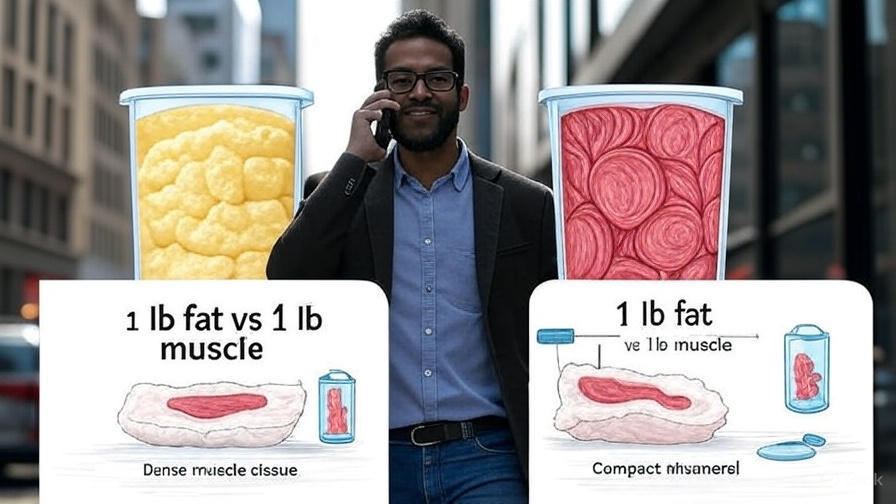
The most common reason for losing inches without losing weight is body recomposition—the process of gaining muscle while losing fat simultaneously. Since muscle tissue is denser than fat tissue, a pound of muscle takes up significantly less space than a pound of fat.
When you’re strength training while maintaining a calorie deficit, your body can:
- Build lean muscle mass through protein synthesis
- Burn stored fat for energy
- Maintain or even increase total body weight while reducing overall size
This process is particularly common in:
- Beginners to strength training (newbie gains)
- People returning to exercise after a break
- Individuals following a high-protein diet combined with resistance training
Water Retention Masking Fat Loss
Water retention can significantly impact scale weight while having minimal effect on your measurements. Several factors contribute to temporary water retention:
Hormonal Fluctuations:
- Menstrual cycle changes can cause 2-5 pounds of water weight fluctuation
- Cortisol elevation from stress increases water retention
- Thyroid hormone imbalances affect fluid regulation
Dietary Factors:
- High sodium intake causes temporary water retention
- Carbohydrate consumption increases glycogen storage (each gram of glycogen binds 3-4 grams of water)
- Creatine supplementation can add 2-4 pounds of intracellular water
Exercise-Related Retention:
- Muscle inflammation from intense workouts causes temporary swelling
- New exercise routines often trigger initial water retention as muscles adapt
Weight Loss Plateaus and Metabolic Adaptation
Your body is remarkably adaptive. As you lose weight, your metabolism naturally slows down through a process called metabolic adaptation. This can create a situation where:
- Your calorie deficit becomes smaller over time
- Fat loss continues but at a slower rate
- Scale weight plateaus while body composition continues improving
- Measurements decrease as fat loss persists despite stable weight
The Problem with Scale-Only Progress Tracking

Why Traditional Scales Mislead You
Standard bathroom scales measure your total body weight, which includes:
- Muscle mass
- Fat tissue
- Bone density
- Water content
- Food in your digestive system
- Waste products
This means your weight can fluctuate by 2-5 pounds daily based on factors completely unrelated to fat loss or muscle gain.
Daily Weight Fluctuations Are Normal
Your body weight naturally varies throughout the day and week due to:
- Morning vs. evening: Weight is typically lowest in the morning after using the bathroom
- Food intake: Meals can add 1-3 pounds temporarily
- Hydration status: Dehydration or overhydration affects scale readings
- Bathroom habits: Constipation can add several pounds
- Sleep quality: Poor sleep affects hormone levels and water retention
Better Ways to Track Your Progress
Body Measurements: The Gold Standard
Taking regular body measurements provides a more accurate picture of your progress:
Key Areas to Measure:
- Waist (at the narrowest point)
- Hips (at the widest point)
- Chest/bust
- Arms (at the largest point)
- Thighs (at the largest point)
- Neck
Measurement Best Practices:
- Use the same measuring tape each time
- Measure at the same time of day (preferably morning)
- Take measurements weekly, not daily
- Record measurements in the same units consistently
Progress Photos: Visual Evidence
Progress photos often reveal changes that measurements and scales miss:
- Take photos in the same lighting and location
- Wear the same fitted clothing or swimwear
- Capture front, side, and back views
- Take photos weekly or bi-weekly
How Your Clothes Fit
Your clothing is an excellent progress indicator:
- Pants fitting looser around the waist
- Shirts feeling less tight across the chest
- Belts requiring tighter notches
- Overall improved comfort in fitted clothing
Body Composition Analysis
For more detailed tracking, consider:
- DEXA scans: Most accurate for body fat percentage
- Bioelectrical impedance scales: Convenient but less accurate
- Bod Pod or hydrostatic weighing: Professional-grade options
- Skinfold calipers: Affordable but require proper technique
Hormonal Factors Affecting Body Composition
Thyroid Function and Metabolism
Thyroid hormones directly impact:
- Metabolic rate and calorie burning
- Water retention and bloating
- Muscle protein synthesis
- Fat oxidation efficiency
Signs of thyroid issues:
- Unexplained weight gain or inability to lose weight
- Extreme fatigue despite adequate sleep
- Hair loss or thinning
- Cold intolerance
- Irregular menstrual cycles
Insulin Sensitivity and Fat Storage
Insulin resistance can affect body recomposition by:
- Promoting fat storage, especially around the midsection
- Reducing muscle protein synthesis
- Increasing water retention
- Making fat loss more difficult despite calorie deficits
Cortisol and Stress Response
Chronic stress elevates cortisol, which can:
- Increase appetite and cravings for high-calorie foods
- Promote abdominal fat storage
- Cause significant water retention
- Interfere with sleep quality and recovery
Nutrition Strategies for Optimal Body Recomposition
Protein Timing and Distribution
To maximize muscle protein synthesis while losing fat:
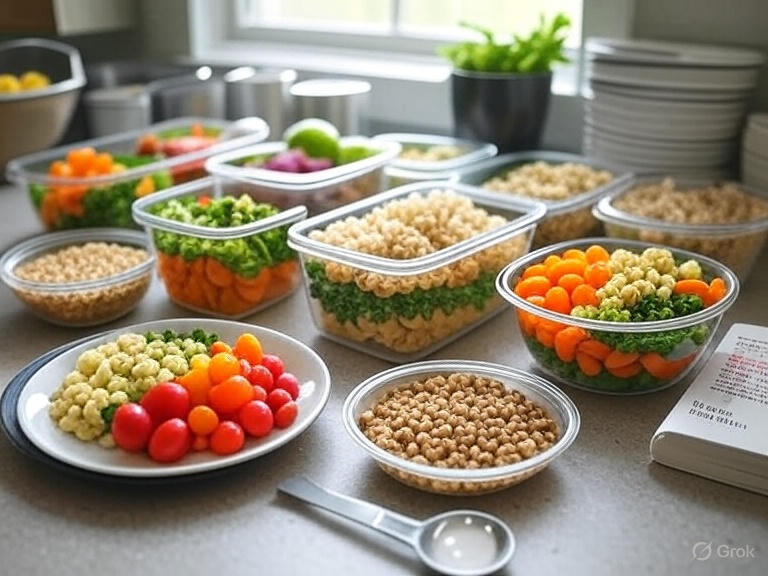
- Consume 0.8-1.2 grams of protein per pound of body weight daily
- Distribute protein evenly across meals (20-40 grams per meal)
- Include protein within 2 hours post-workout
- Choose high-quality complete proteins (eggs, lean meats, dairy, legumes)
Macronutrient Balance for Body Recomposition
Optimal macronutrient distribution:
- Protein: 25-35% of total calories
- Carbohydrates: 30-45% of total calories (focus on complex carbs)
- Fats: 20-35% of total calories (emphasize healthy fats)
Meal Timing Considerations
While total daily intake matters most, strategic timing can help:
- Eat carbohydrates around workouts for energy and recovery
- Include protein at every meal to maintain muscle mass
- Consider intermittent fasting if it fits your lifestyle and preferences
Exercise Programming for Body Recomposition
Resistance Training Fundamentals
Key principles for muscle building:
- Train each muscle group 2-3 times per week
- Use progressive overload (gradually increase weight, reps, or sets)
- Focus on compound movements (squats, deadlifts, presses, rows)
- Allow adequate recovery between sessions (48-72 hours per muscle group)
Cardiovascular Exercise Balance
Effective cardio strategies:
- Include both steady-state and high-intensity interval training (HIIT)
- Limit excessive cardio that might interfere with muscle building
- Prioritize activities you enjoy for long-term adherence
- Consider walking as a low-impact, sustainable option
Recovery and Sleep Optimization
Quality recovery supports body recomposition through:
- Sleep: Aim for 7-9 hours nightly for optimal hormone production
- Stress management: Practice meditation, yoga, or other stress-reduction techniques
- Active recovery: Include light movement on rest days
- Hydration: Maintain adequate fluid intake throughout the day
Realistic Timelines and Expectations
Short-Term Changes (2-4 weeks)
- Initial water weight fluctuations
- Improved energy and mood
- Better sleep quality
- Slight improvements in strength
Medium-Term Progress (1-3 months)
- Noticeable changes in clothing fit
- Measurable reductions in body measurements
- Significant strength improvements
- Enhanced muscle definition
Long-Term Transformation (3-12 months)
- Substantial body composition changes
- Dramatic improvements in measurements
- Significant strength and performance gains
- Established healthy habits and lifestyle changes
When to Seek Professional Help
Consider consulting healthcare professionals if you experience:
- Complete lack of progress after 6-8 weeks of consistent effort
- Unexplained rapid weight gain or loss
- Symptoms suggesting hormonal imbalances
- Extreme fatigue or other concerning symptoms
- Disordered eating patterns or unhealthy relationships with food
Types of professionals who can help:
- Registered dietitians for nutrition guidance
- Certified personal trainers for exercise programming
- Endocrinologists for hormonal issues
- Mental health professionals for psychological support
Medical Conditions That May Affect Progress
Polycystic Ovary Syndrome (PCOS)
PCOS can make body recomposition more challenging due to:
- Insulin resistance
- Hormonal imbalances
- Increased tendency for abdominal fat storage
Hypothyroidism
An underactive thyroid can slow progress through:
- Reduced metabolic rate
- Increased water retention
- Decreased energy for exercise
Medications That Affect Weight
Certain medications can impact body composition:
- Antidepressants
- Corticosteroids
- Birth control pills
- Blood pressure medications
Troubleshooting Common Scenarios
Scenario 1: Losing Inches but Gaining Weight
This often indicates successful muscle building while losing fat. Continue your current approach and focus on non-scale victories.
Scenario 2: No Changes in Weight or Measurements
Consider adjusting:
- Calorie intake (may need slight reduction)
- Exercise intensity or frequency
- Sleep and stress management
- Measurement technique accuracy
Scenario 3: Rapid Initial Progress Followed by Plateau
This is normal as your body adapts. Strategies include:
- Implementing diet breaks
- Changing exercise routines
- Reassessing calorie needs
- Focusing on performance goals
The Psychology of Progress: Moving Beyond the Scale
Developing a Healthy Relationship with Weight
- Recognize that weight is just one data point
- Celebrate non-scale victories equally
- Focus on how you feel rather than just how you look
- Understand that progress isn’t always linear
Setting Performance-Based Goals
Instead of focusing solely on weight loss, consider goals like:
- Completing a certain number of push-ups
- Running a specific distance
- Lifting a target weight
- Improving flexibility or balance
Long-Term Strategies for Sustained Success

Building Sustainable Habits
- Focus on consistency over perfection
- Make gradual changes rather than drastic overhauls
- Find activities and foods you genuinely enjoy
- Create systems that support your goals
Maintaining Motivation During Plateaus
- Keep a progress journal documenting all victories
- Take regular progress photos and measurements
- Celebrate improvements in energy, mood, and health markers
- Remember that plateaus are temporary and normal
Conclusion: Embracing the Journey Beyond the Scale
Losing inches but not pounds is often a sign that your body is undergoing positive changes through body recomposition. This process of simultaneously building muscle and losing fat represents optimal progress toward improved health, strength, and appearance.
Rather than becoming discouraged by a stagnant scale, celebrate the fact that your clothes fit better, your measurements are decreasing, and your overall health is improving. These changes indicate that your efforts are working, even if the number on the scale doesn’t reflect it immediately.
Remember that sustainable body transformation takes time, patience, and consistency. Focus on building healthy habits, tracking multiple progress indicators, and maintaining a positive relationship with your body throughout the journey.
Ready to transform your approach to fitness progress? Start implementing these strategies today by taking your first set of body measurements, progress photos, and setting performance-based goals that go beyond the scale. Your future self will thank you for focusing on the complete picture of health and fitness success.
Frequently Asked Questions
Q: How long does body recomposition take?
A: Body recomposition is a gradual process that typically becomes noticeable within 4-8 weeks, with significant changes visible after 3-6 months of consistent effort. The timeline varies based on starting fitness level, genetics, and adherence to nutrition and exercise protocols.
Q: Can you lose fat and gain muscle at the same time?
A: Yes, simultaneous fat loss and muscle gain (body recomposition) is possible, especially for beginners, people returning to exercise, or those with higher body fat percentages. It requires a combination of resistance training, adequate protein intake, and a moderate calorie deficit.
Q: Why do I weigh more after starting to exercise?
A: Initial weight gain after starting exercise is common due to increased water retention from muscle inflammation, glycogen storage, and potential muscle growth. This temporary increase typically stabilizes within 2-4 weeks as your body adapts.
Q: How often should I weigh myself if I’m losing inches but not pounds?
A: If you choose to weigh yourself, daily weighting can provide better data trends than weekly weighting, but focus primarily on measurements, progress photos, and how your clothes fit rather than scale weight alone.
Q: Is it better to lose weight or lose inches?
A: Losing inches while maintaining or slightly gaining weight often indicates healthier body composition changes than rapid weight loss alone. Focus on reducing body fat percentage and building lean muscle mass rather than just losing weight.