
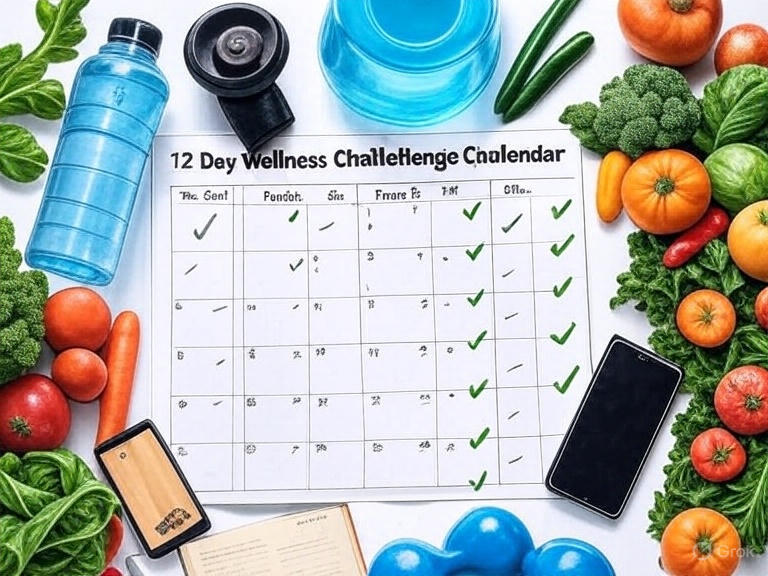
Ready to give your mind and body a holiday-proof tune-up—without crash diets, guilt trips or all-or-nothing rules? Join the 12 Habits in 12 Days Mission, a science-backed wellness challenge that pairs one micro-habit per day with simple tracking tools so you can build momentum fast and carry it into the new year.
Why a 12-Day Micro-Habit Sprint Works
Research from BJ Fogg’s Behavior Design Lab at Stanford shows that small, specific actions performed in the right context have the highest chance of becoming automatic. By focusing on one healthy habit per day you:
- Keep cognitive load low (no overwhelming to-do lists).
- Create early wins that fuel motivation and dopamine reward cycles.
- Test a variety of wellness pillars—nutrition, movement, mindset, sleep—so you discover what sticks.
- Practice habit stacking: linking a new action to an existing routine for seamless long-term maintenance.
How to Use This Guide
- Read the daily habits below and schedule them in your calendar.
- Track progress on paper, a phone app, or the printable template linked in the Tracking section.
- Reflect nightly—one sentence about what worked, what didn’t, and tweaks for tomorrow.
- Stack and sustain: After 12 days, keep the 3-5 habits you loved most and layer them onto established routines.
Consistency beats intensity. Even one minute of the right action repeated daily transforms health more than sporadic Herculean efforts.

Day-by-Day Breakdown: 12 Habits in 12 Days
Day 1 – Hydration Reset
Drink half your body weight in ounces (≈ 30 ml/kg) of water. Start with a glass as soon as you wake up. Hydration boosts metabolism, regulates appetite, and supports joint health—especially handy before those holiday feasts.
Stack it: Place a full bottle beside your toothbrush so drinking becomes as automatic as brushing.
Day 2 – Move With Joy
Forget punitive workouts. Choose 20 minutes of joyful movement—dance, brisk walking, bike ride, yoga flow. Studies in the Journal of Sport & Exercise Psychology show enjoyment predicts long-term exercise adherence.
Track it: Give each session a 1–5 “fun score” to spot activities you’ll repeat.
Day 3 – Mindful Meals
For one meal, remove screens, chew slowly, and put utensils down between bites. Mindful eating improves satiety signals and cuts calorie intake by up to 10% (Appetite, 2023).
Personality tip: If you’re a fast-paced “Achiever,” set a timer for 20 minutes to pace yourself.
Day 4 – Add a Veggie to Every Meal
Whether it’s spinach in eggs or carrot sticks with dinner, the goal is fiber + phytonutrients every plate. Vegetable variety nourishes your gut microbiome, tied to immunity and mood.
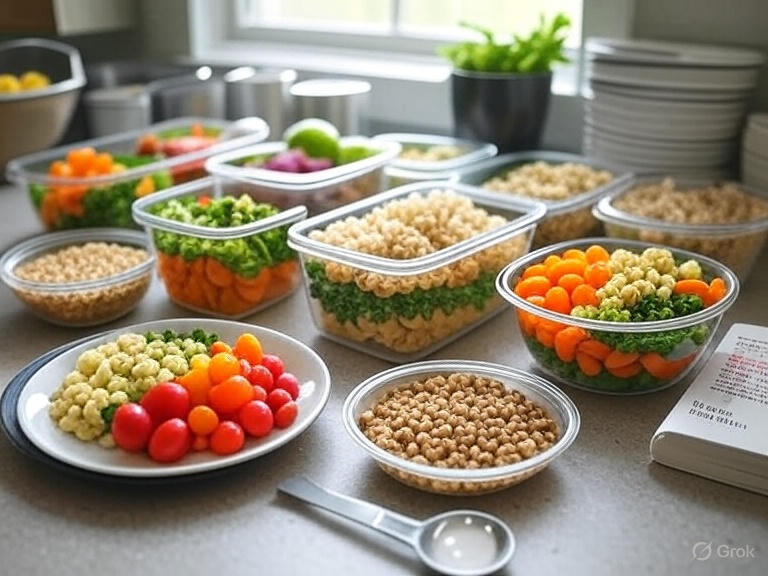
Habit stack: Prep a container of washed, cut produce right after grocery unpacking.
Day 5 – Ditch Liquid Calories
Swap soda, sweetened lattes, or fruit juice for water, herbal tea, or black coffee. Sugary drinks are the largest single source of added sugar in the average diet.
Handling setbacks: Craving cola? Sip sparkling water with citrus first; if you still want soda 10 minutes later, have a half portion.
Day 6 – Protein Power-Up
Aim for 20–30 g of protein at breakfast (eggs, Greek yogurt, tofu scramble). Higher morning protein improves satiety and lean-muscle maintenance, crucial during stressful seasons.
Long-term tip: Pre-portion single-serve protein options for grab-and-go mornings.
Day 7 – Sleep Like a Baby
Commit to a 30-minute pre-sleep wind-down: dim lights, stretch, read fiction. Quality sleep drives hormone balance, recovery and appetite regulation. Harvard data links < 7 hours sleep with 55% higher obesity risk.
Tech hack: Schedule “Night Shift” or blue-light filters on devices two hours before bed.
Day 8 – Declutter Your Snacks
Audit your pantry and desk drawer: toss stale chips, donate unopened candy, bring in nuts, fruit or roasted chickpeas. Environment design is a cornerstone of James Clear’s Atomic Habits—make the healthy choice the easy choice.
Visual cue: Clear glass jars for healthy snacks, opaque containers for treats.
Day 9 – Sneaky Movement
Insert five 2-minute movement breaks into your workday—desk push-ups, calf raises during calls, hallway lunges. NEAT (non-exercise activity thermogenesis) can burn an extra 200–350 calories daily.
Progress monitoring: Set phone alarms or use a smartwatch stand reminder.
Day 10 – Portion Patrol
Use the plate-method at dinner: half veggies, quarter lean protein, quarter smart carbs. Alternatively, use your hand—fist of carbs, palm of protein, two fists of veggies.
Psychology insight: Smaller plates reduce intake by up to 22% via visual cues (Journal of Consumer Research).
Day 11 – Gratitude & Self-Care
Write three gratitudes plus one self-care act you’ll do today (bath, call a friend, 10-minute meditation). Gratitude journaling lowers cortisol and boosts resilience.
For social butterflies: Share one gratitude on your favorite platform for community accountability.
Day 12 – Plan Ahead
Spend 15 minutes mapping the week: meals, grocery list, workout slots, bedtime alarms. Planning converts intention to action; people who meal-plan eat 28% more fruit & veg (Int’l Journal of Behavioral Nutrition, 2022).
Habit stack: Pair planning with a Sunday coffee ritual.
Habit Stacking & Long-Term Maintenance
Now that you’ve sampled 12 micro-habits, choose the top three that felt effortless. Anchor each to an existing routine:
| Existing Routine | New Habit | Cue Example |
| Morning coffee | Gratitude list | Keep journal on coffee tray |
| Lunch break | 2-minute stretch | Calendar pop-up reminder |
| Bedtime tooth-brushing | 8 oz water | Glass next to sink |
Gradually layer other habits once these are automatic. This “bridge” method prevents overwhelm and compounds results.
Handling Setbacks: Fail-Proof Strategies
Even the best plan meets real-life chaos—travel, kids, deadlines. Here’s how to stay resilient:
- Shrink the habit: If 20 minutes of exercise feels impossible, do 2 minutes. Progress over perfection.
- Use implementation intentions: “If I can’t walk at lunch, I’ll pace during my 3 p.m. call.”
- Identify personality triggers:
- Rebels avoid rules—frame habits as choices.
- Questioners need data—track metrics to see impact.
- Obligers crave accountability—text a friend or post progress online.
- Self-compassion reboot: According to Self and Identity journal, forgiving yourself after a slip predicts faster return to the habit than guilt.

Tracking Your Progress: Tools & Templates
- Analog: Print our 12-day habit tracker (link), color each box you complete.
- Digital apps:
- Habitify for streaks and reminders.
- Streaks (iOS) for minimalists.
- Google Sheets for custom graphs.
- Wearables: Smartwatch step counts for sneaky movement; sleep stages for Day 7 insights.
Whichever method you pick, review weekly—reflection is the glue between action and improvement.
Tips to Stay on Track
- Pair indulgence with mindfulness: Eat grandma’s pie, but savor slowly and stop at satisfied.
- Crowd out, don’t cut out: Fill plates with veggies first so there’s naturally less room for heavy sides.
- Gamify movement: Holiday light scavenger walks, dance video challenges with family, charity step contests.
- Hydrate before parties: Two glasses of water pre-event curb mindless munching.
- Find your five: Surround yourself (online or off) with people who uplift healthy choices.
Precautions and When to Seek Professional Help
While these habits are gentle and evidence-based, consult a doctor or registered dietitian if you:
- Have chronic conditions (diabetes, heart disease).
- Are pregnant or nursing.
- Plan major dietary changes or intense exercise additions.
- Experience pain, dizziness, or prolonged fatigue when implementing new habits.

Conclusion: 12 Days Today, A Lifetime of Healthy Habits Tomorrow
The 12 Habits in 12 Days Mission proves that wellness doesn’t require perfection—just consistent, daily habits stacked into your existing life. Celebrate each micro-win, note how your energy, mood and focus improve, and carry your favorite habits into the months ahead. Remember:
Small actions, repeated consistently, create extraordinary change.
Ready to keep the momentum? Download the free tracker, invite a friend, and start Day 1 today. Your future self is already thanking you.
Frequently Asked Questions
Q1: Can I start on any day of the week?
Absolutely. The 12-day sequence is flexible—begin whenever motivation strikes.
Q2: What if I already have some of these habits?
Great! Use the challenge to refine them or pick alternative habits (e.g., posture checks, digital detox) that meet your current goals.
Q3: Is 12 days enough to form a lasting habit?
On average it takes 21–66 days for full automaticity, but a 12-day sprint builds crucial consistency and identifies habits you’re excited to continue.
Q4: How do I measure “joy” in movement?
Rate your enjoyment 1–5 post-workout. Activities scoring ≥ 4 are your long-term best bets.
Q5: I slipped on Day 5—do I restart?
No restart needed. Note the trigger, apply a setback strategy, and pick up where you left off. Progress, not perfection.
Your Next Step
Download the printable tracker, share this article with a friend for accountability, and conquer Day 1—hydration reset—today. Here’s to a healthier, happier you in just 12 days!